Hub 03
Sourdough baking gear: the pot, the basket, the blade
Three objects do most of the work: something that traps steam, something that holds the dough's shape, and something sharp.
Once a starter works, three objects do most of the remaining work: something that traps steam, something that holds the dough’s shape while it proofs, and something sharp enough to score it.
None of them is expensive, and the most important one — a scale — is not even on that list. This section is about which of the three to buy, in what order, and which you can skip entirely.
What to buy
The picks in this section
Best Dutch Ovens
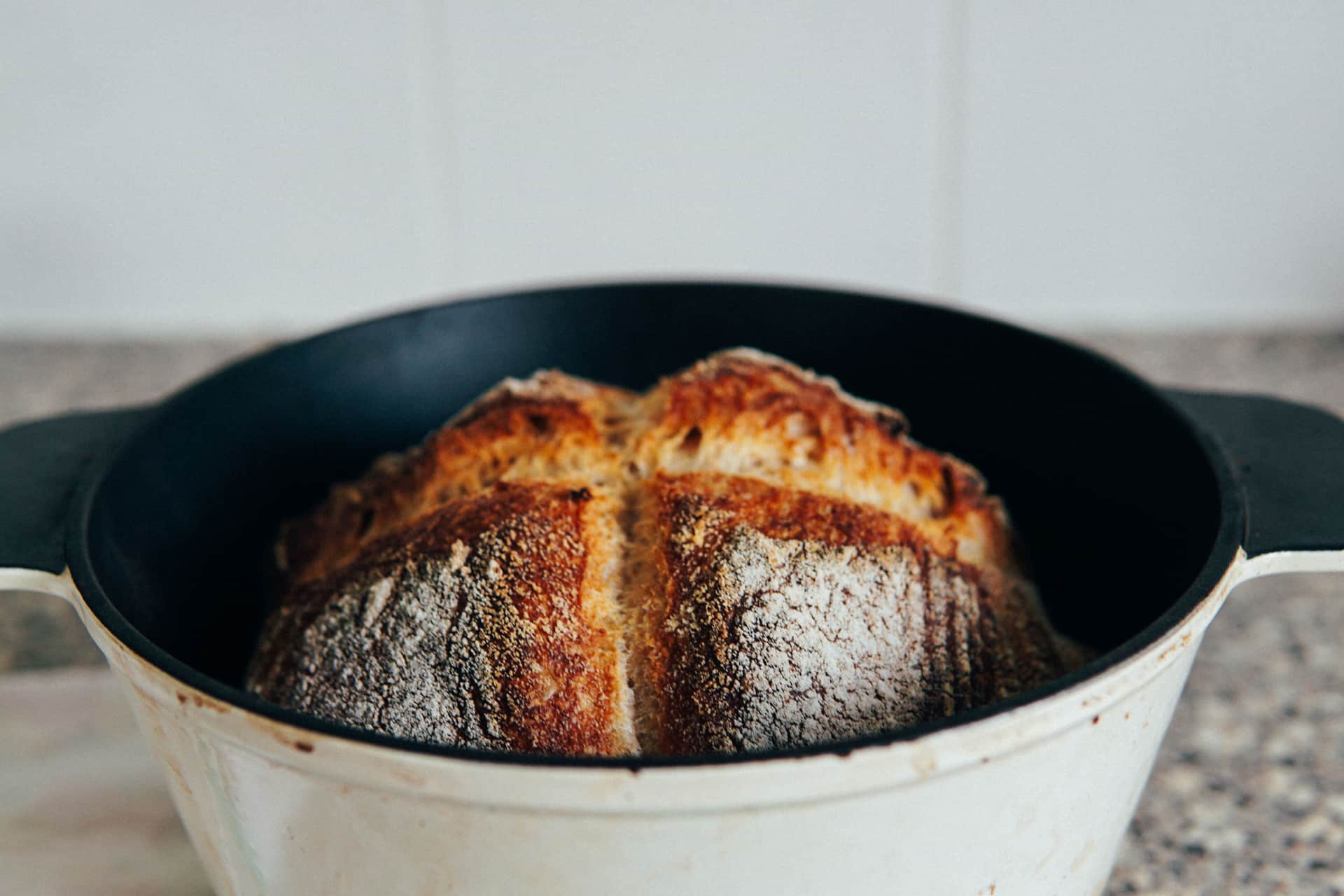
Best Dutch oven for sourdough bread
Bare iron versus enamel, and why the lid shape matters more than the brand on the pot.
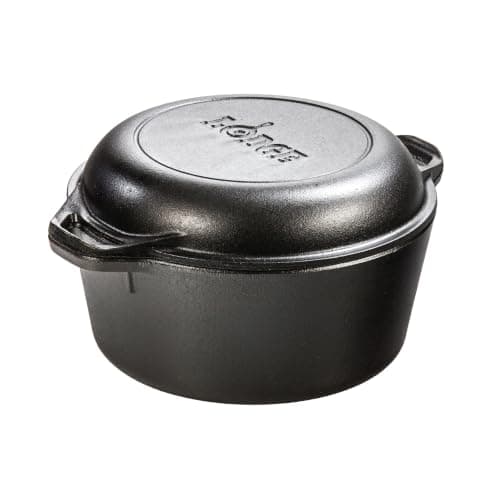
Top pick · Lodge 5-Quart Double Dutch Oven
#ad Disclosure · Price as of October 17, 2026
Best Bannetons
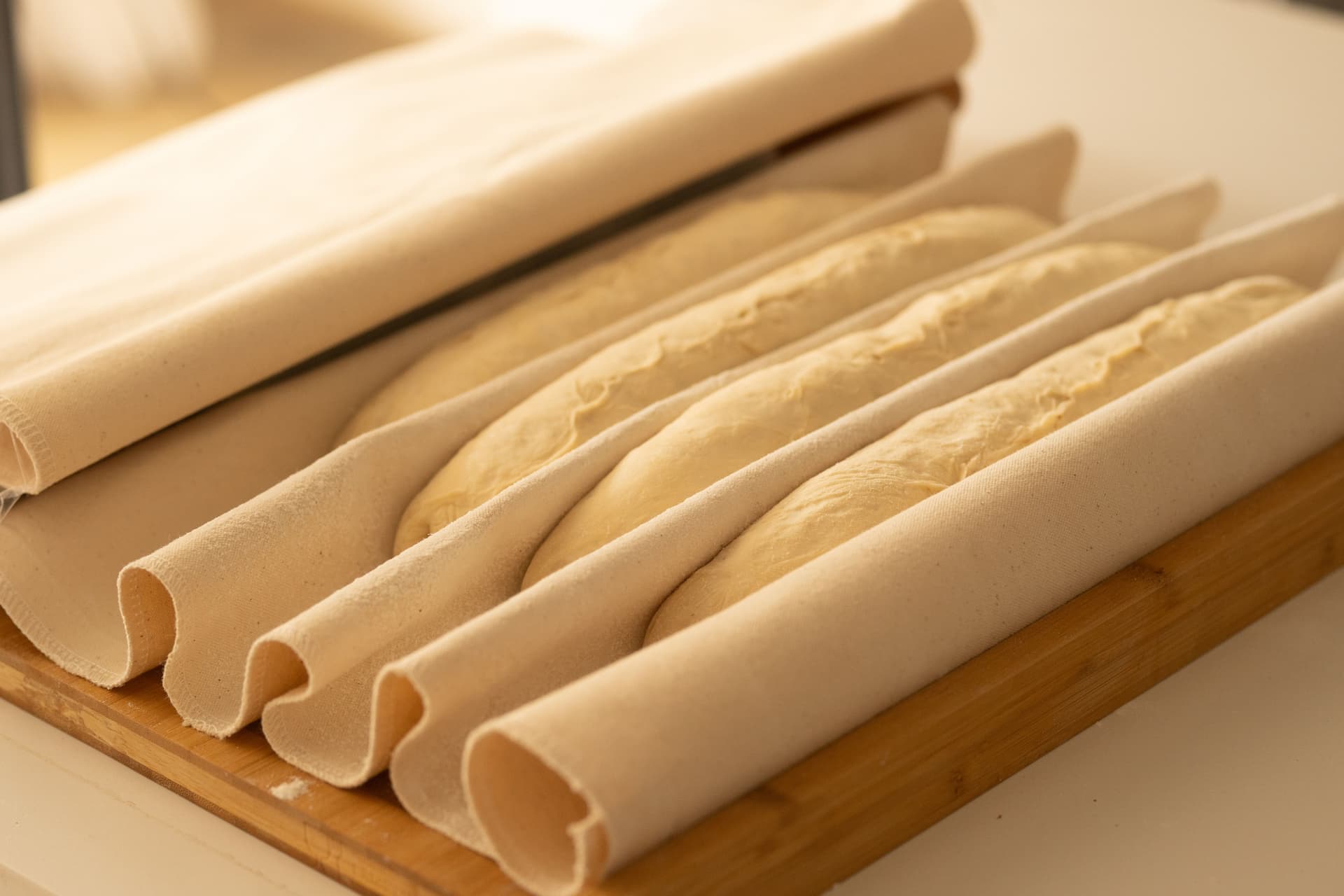
Best banneton proofing baskets
Rattan or wood pulp, round or oval, 9 inch or 10. The decisions that actually matter.
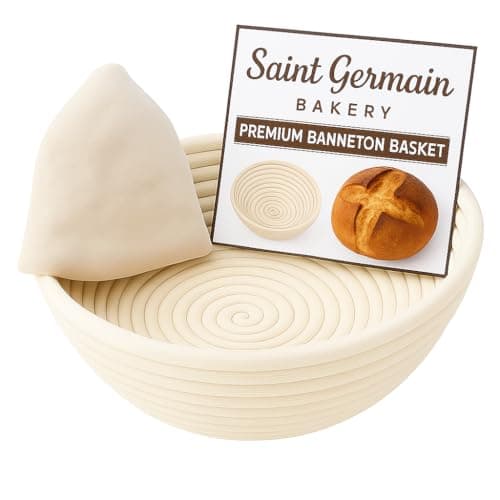
Top pick · 9-inch round rattan banneton with linen liner
#ad Disclosure · Price as of October 17, 2026
Best Kitchen Scales
Best kitchen scales for sourdough
1g steps and a flat platform. The cheapest necessary object in sourdough.
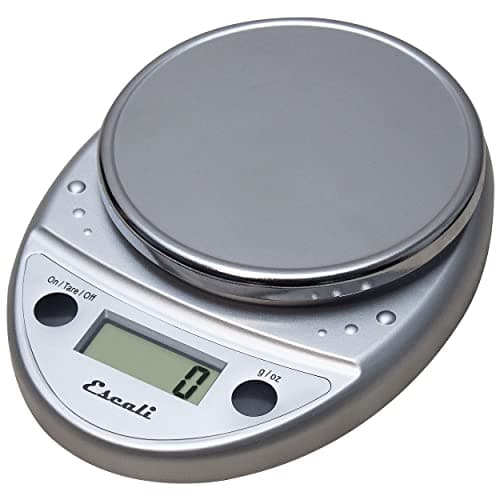
Top pick · Escali Primo Digital Scale
#ad Disclosure · Price as of October 17, 2026
Best Bread Lames
Best bread lames
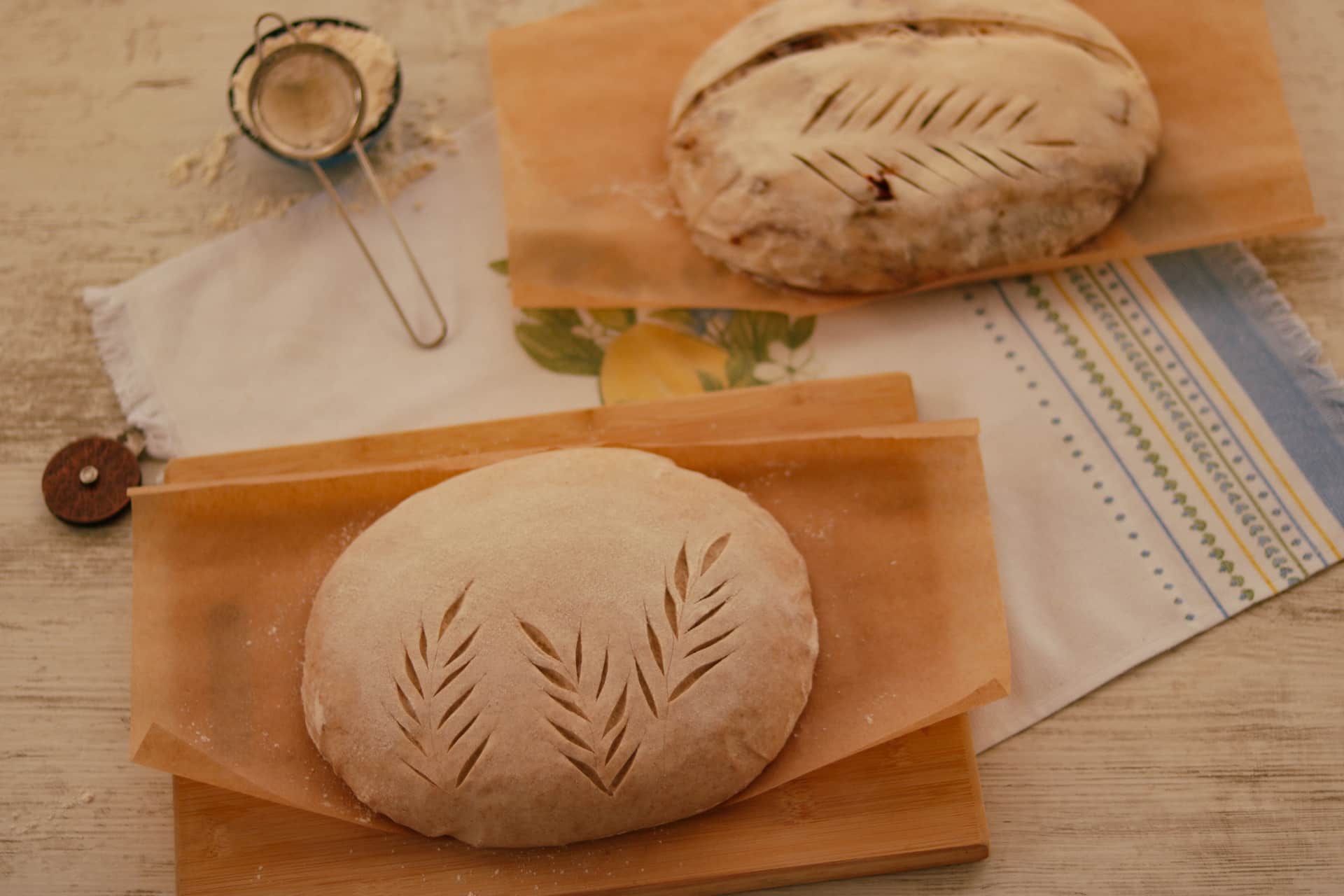
Every lame holds the same blade. You are buying a handle, and the cheap one works.
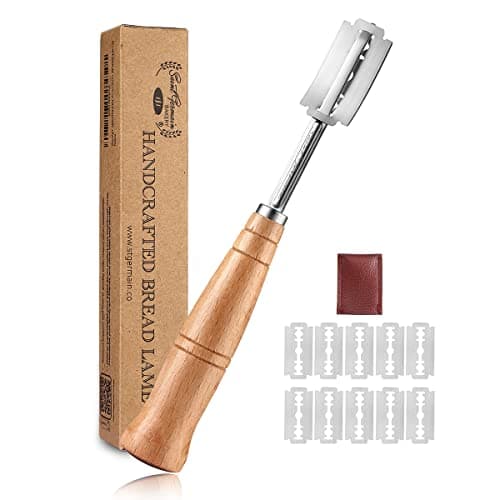
Top pick · Basic lame with replacement blades
Best Loaf Flour
Best flour for sourdough bread
Protein content, unbleached, and consistency. The flours worth baking with and the ones to skip.
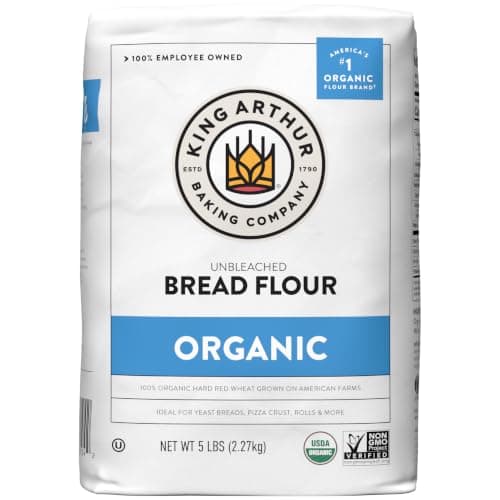
Top pick · King Arthur Organic Bread Flour, 5 lb
Best Budget Pot
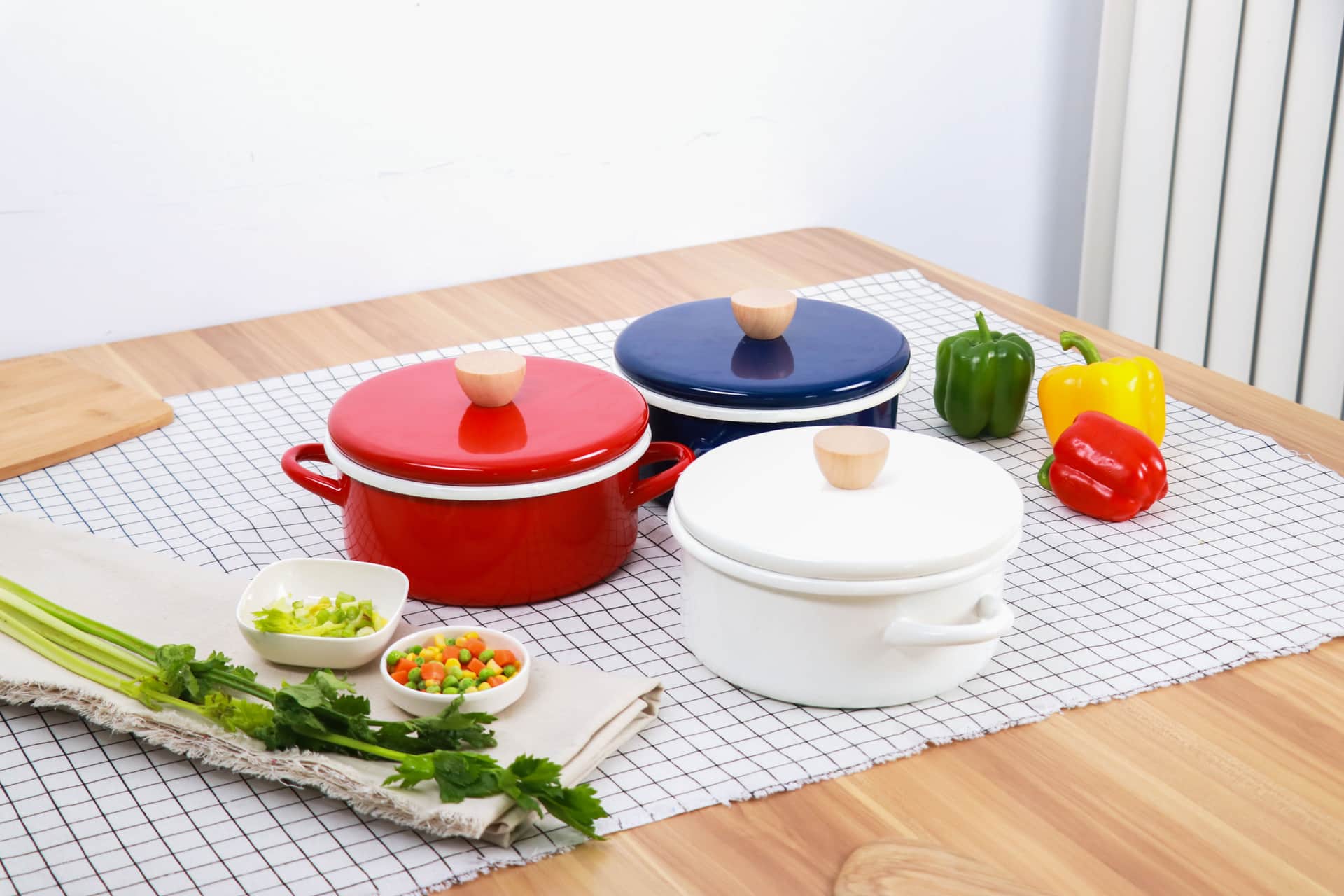
Best budget Dutch oven for sourdough
The cheapest pots that bake a genuinely good loaf, and the spec not to compromise on.
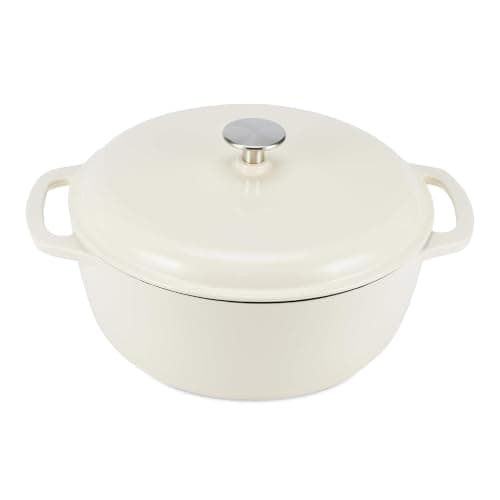
Top pick · Amazon Basics Enameled Cast Iron Dutch Oven
#ad Disclosure · Price as of October 17, 2026
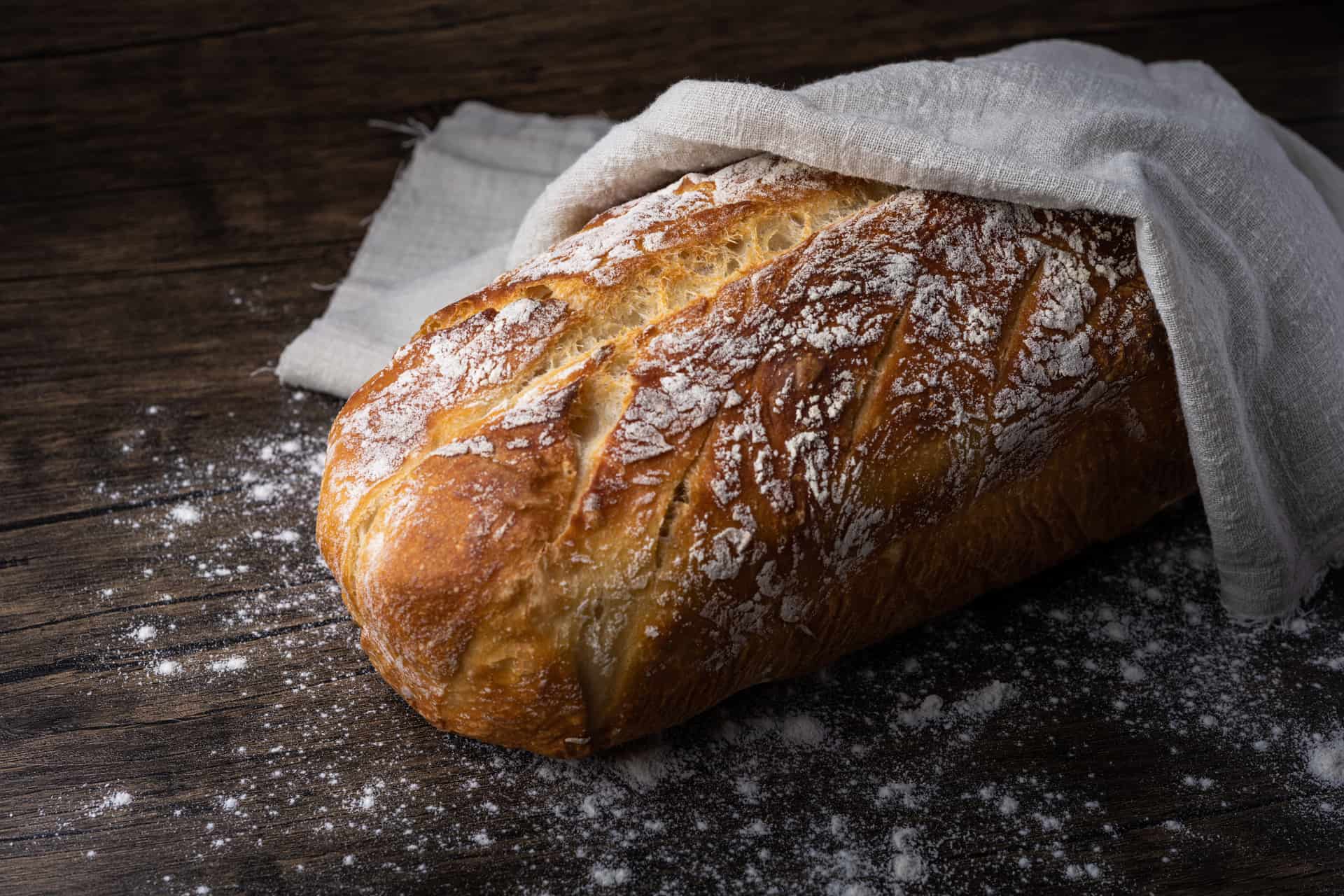
Best Bread Storage
How to store sourdough bread
Out on day one, bagged after, frozen beyond that, never refrigerated -- and what to store it in.
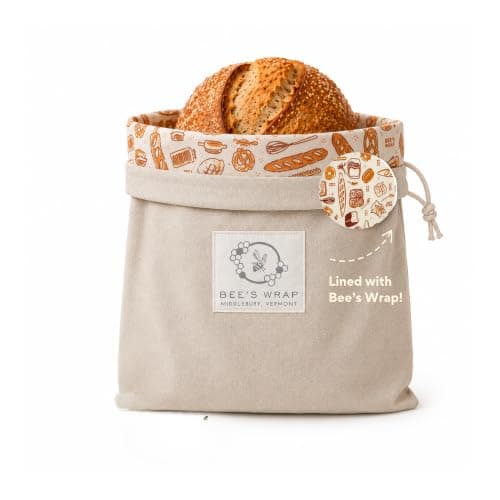
Top pick · Bee's Wrap Beeswax Bread Bag
#ad Disclosure · Price as of October 17, 2026
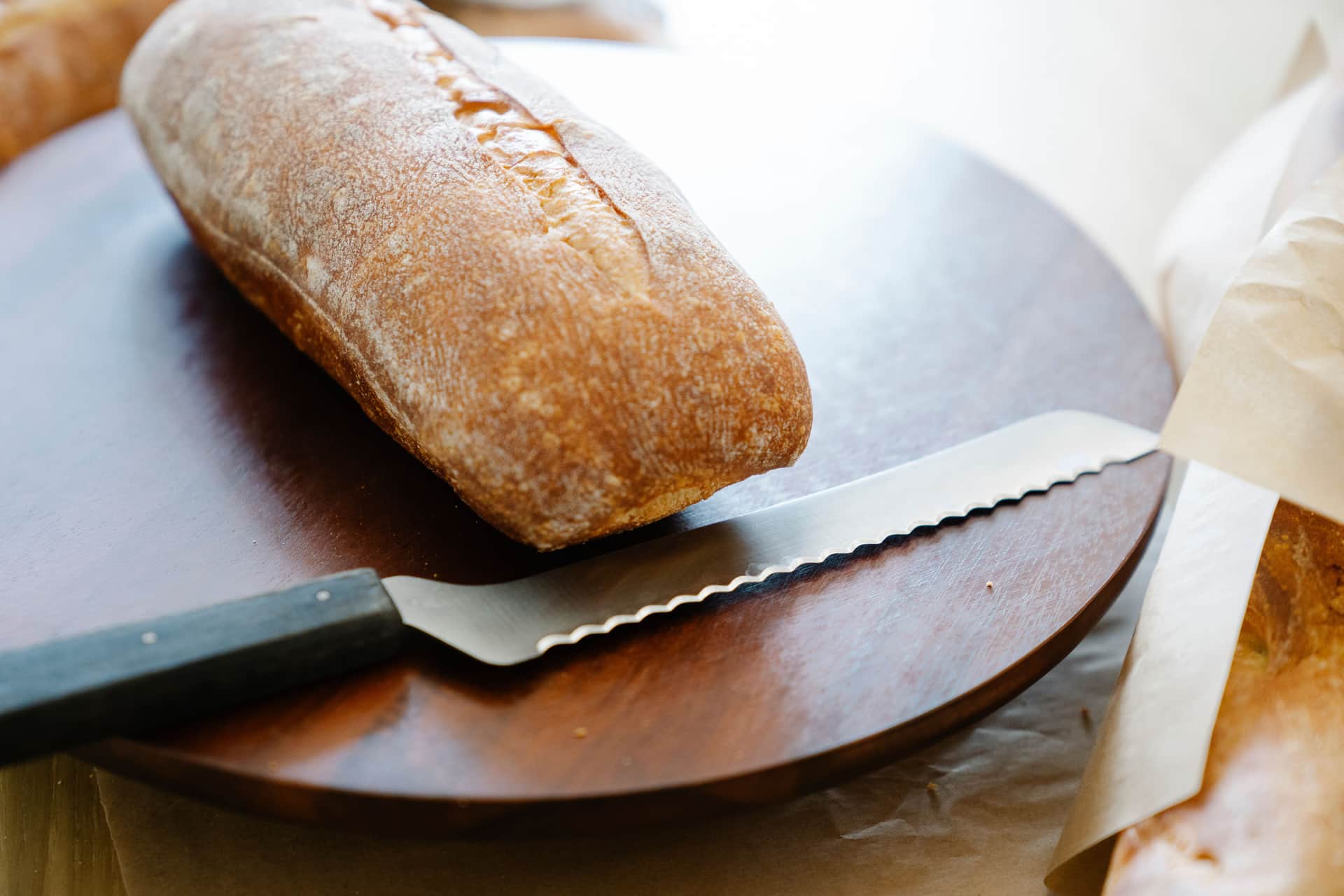
Best Bread Knife
Best bread knife for sourdough
Length, edge pattern and offset decide the slice. The knives worth buying, and when you already own one.
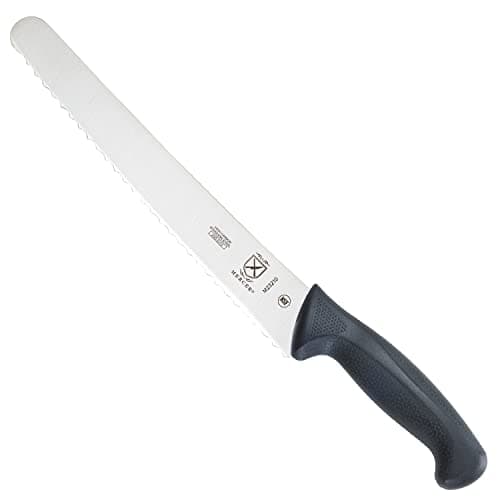
Top pick · Mercer Culinary Millennia 10-Inch Wavy Edge Bread Knife
#ad Disclosure · Price as of October 17, 2026
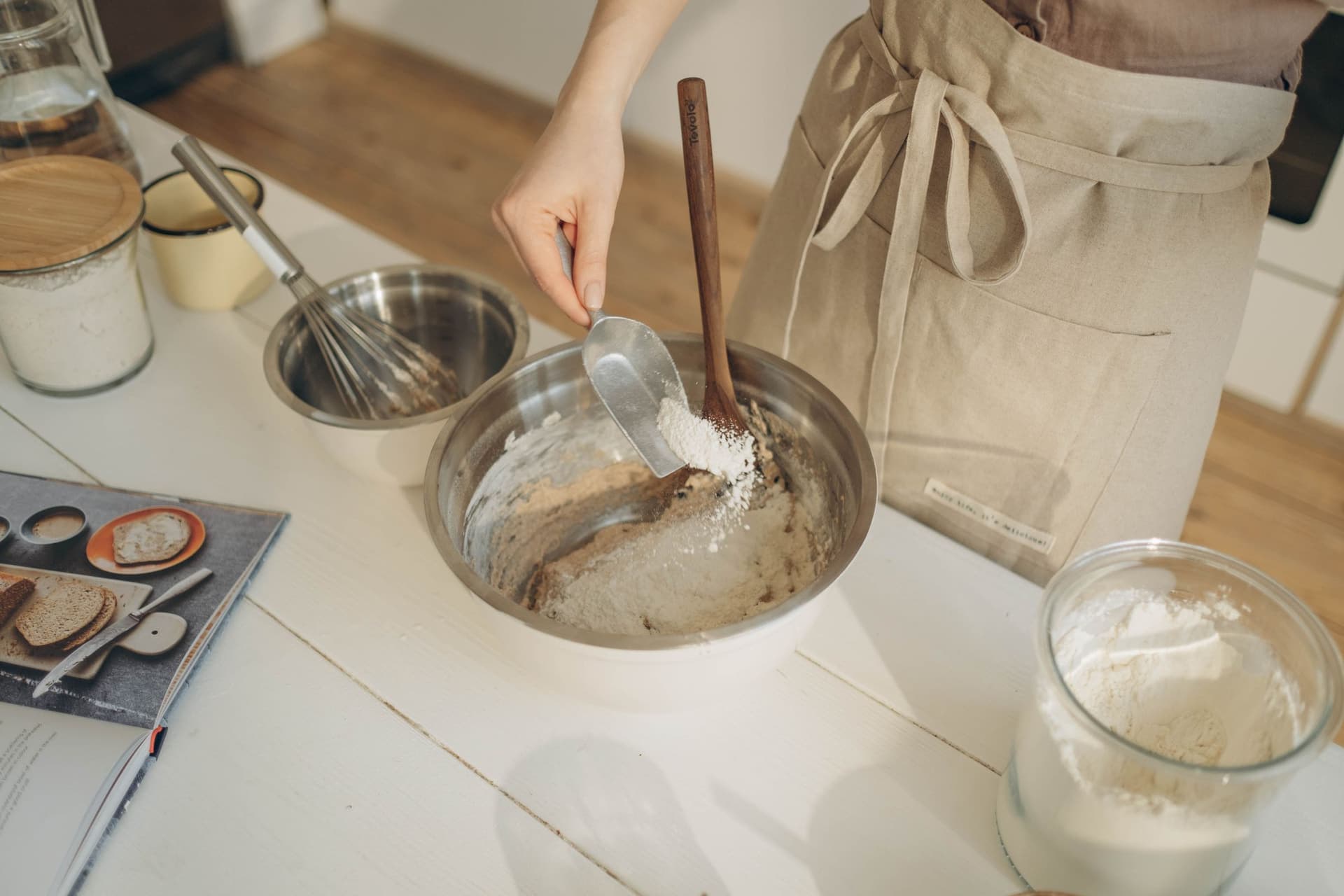
Best Dough Whisk
Best Danish dough whisk for sourdough
Loop count and length are the whole decision. The whisks worth buying, and the sixty seconds they are actually for.
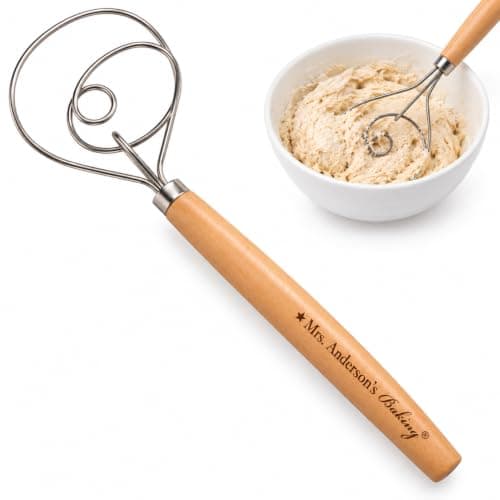
Top pick · Mrs. Anderson's Baking Dough Whisk, Single-Loop, 12 Inch
#ad Disclosure · Price as of October 17, 2026
Best Bread Sling
Best bread sling for a Dutch oven
Temperature rating first, then shape. Which slings clear a 500F preheat and which do not.
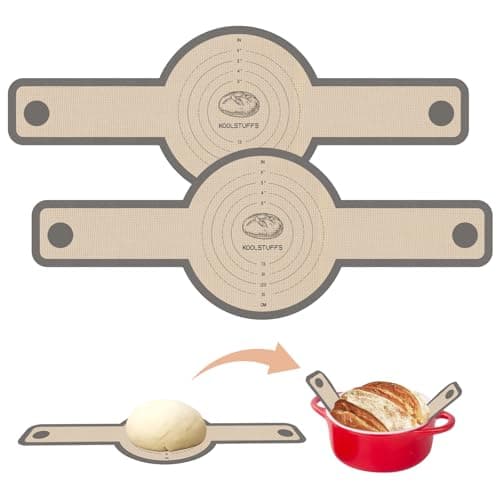
Top pick · Koolstuffs Silicone Bread Sling, 2-Pack
#ad Disclosure · Price as of October 17, 2026
Best Proofing Container
Best dough proofing container
Tall and round to read the rise, low and wide for folds and fridge space. The shapes compared.
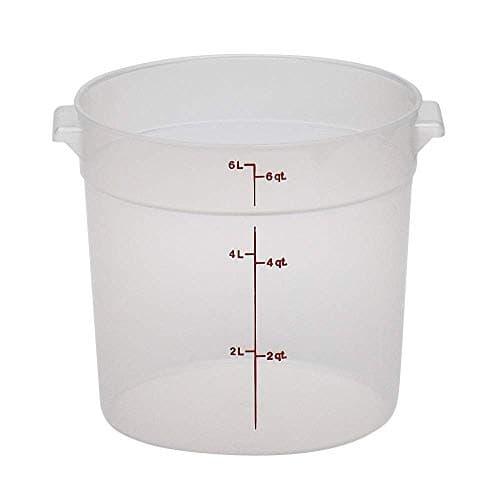
Top pick · Cambro 6-Quart Round Container with Lid
#ad Disclosure · Price as of October 17, 2026
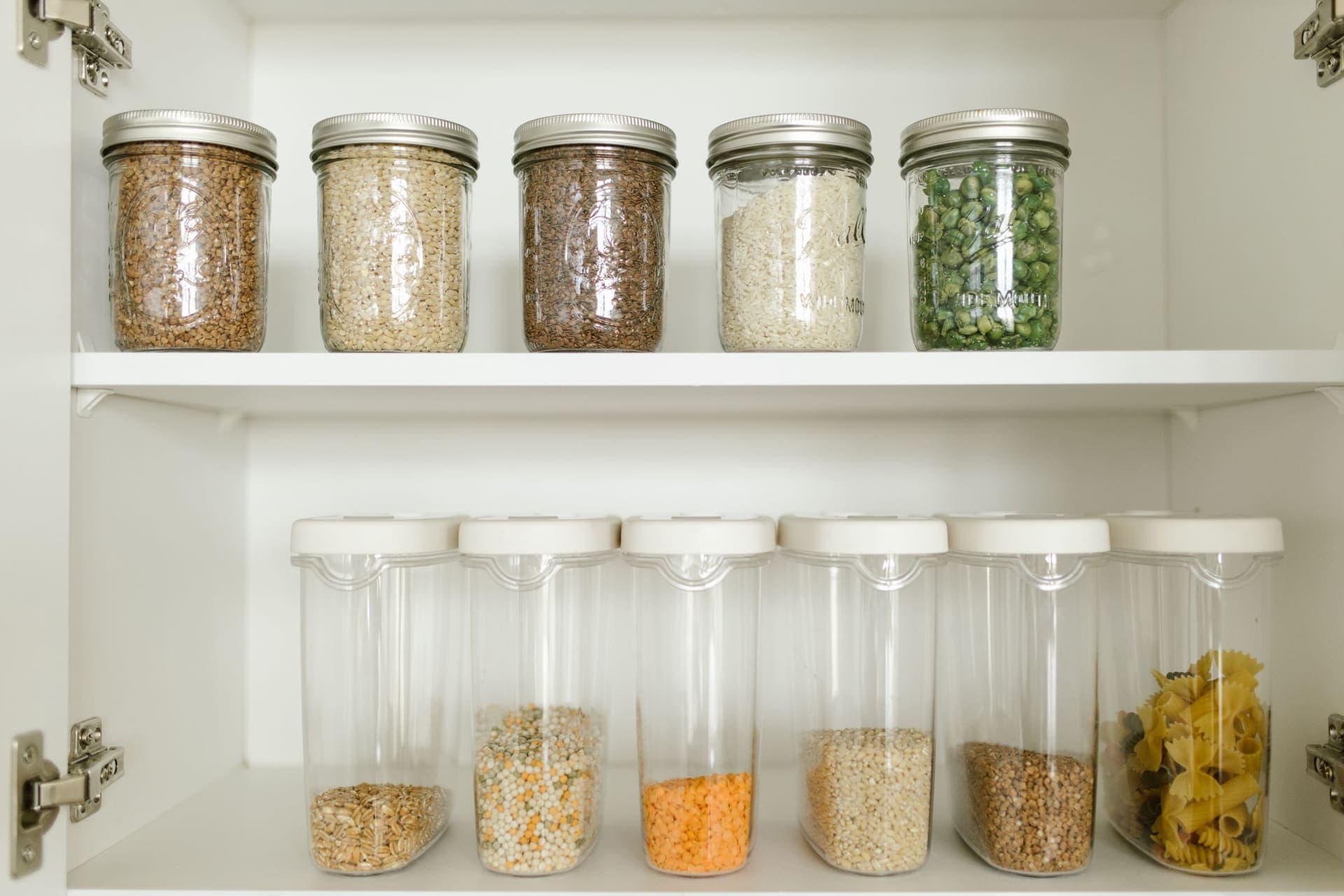
Best Flour Storage
Best flour storage containers
Match the container to your bag size, and keep whole grain flour cold. The containers worth buying.
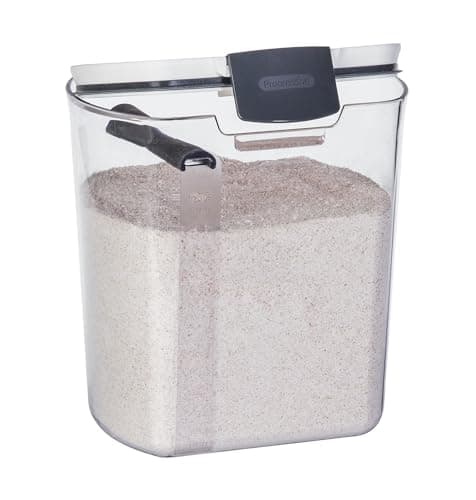
Top pick · ProKeeper Flour Storage Container, 4 Quart
#ad Disclosure · Price as of October 17, 2026
Best Bread Machine for Sourdough
Best bread machine for sourdough
Only programmable machines can run a real sourdough schedule. Which ones can, and what you give up either way.
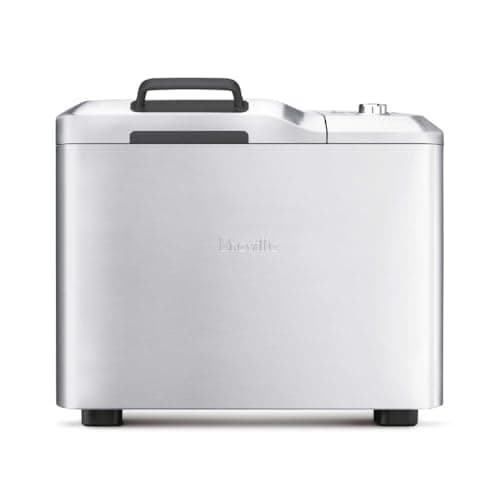
Top pick · Breville Custom Loaf BBM800XL Bread Maker
#ad Disclosure · Price as of October 17, 2026
Best Slicing Guide
Best bread slicing guide
Round loaf or tin? Slot thickness, folding size and the knife you still need. Who a guide is genuinely for.
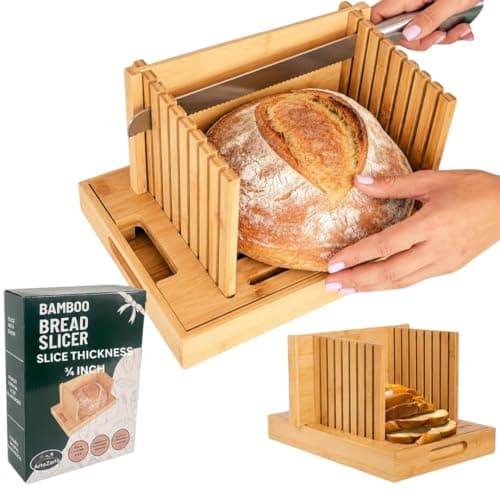
Top pick · ArtoZariA Bamboo Bread Slicer for Sourdough Rounds
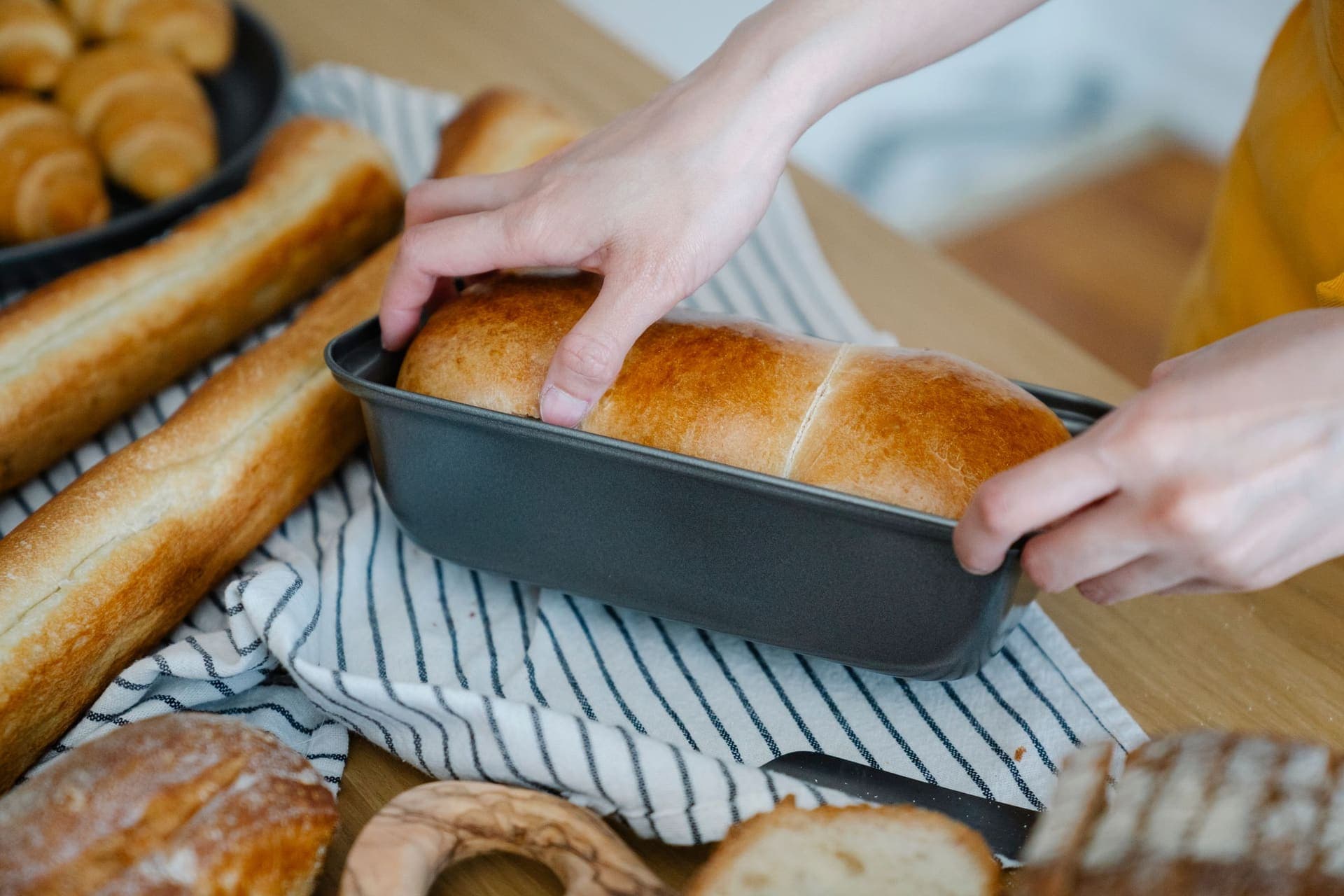
Best Pullman Pan
Best Pullman loaf pan
Square sandwich loaves, lid on or off. Matching dough weight to pan volume, and the pans worth buying.
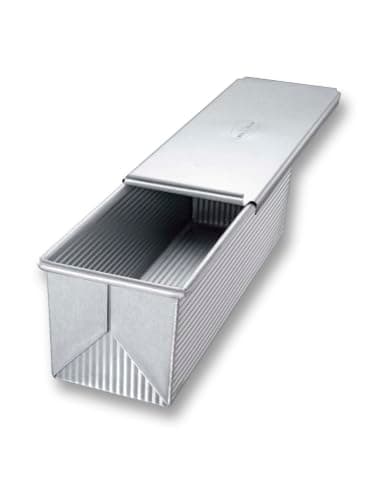
Top pick · USA Pan Pullman Loaf Pan with Cover, 9 x 4 inch
#ad Disclosure · Price as of October 17, 2026
Best Banneton Release
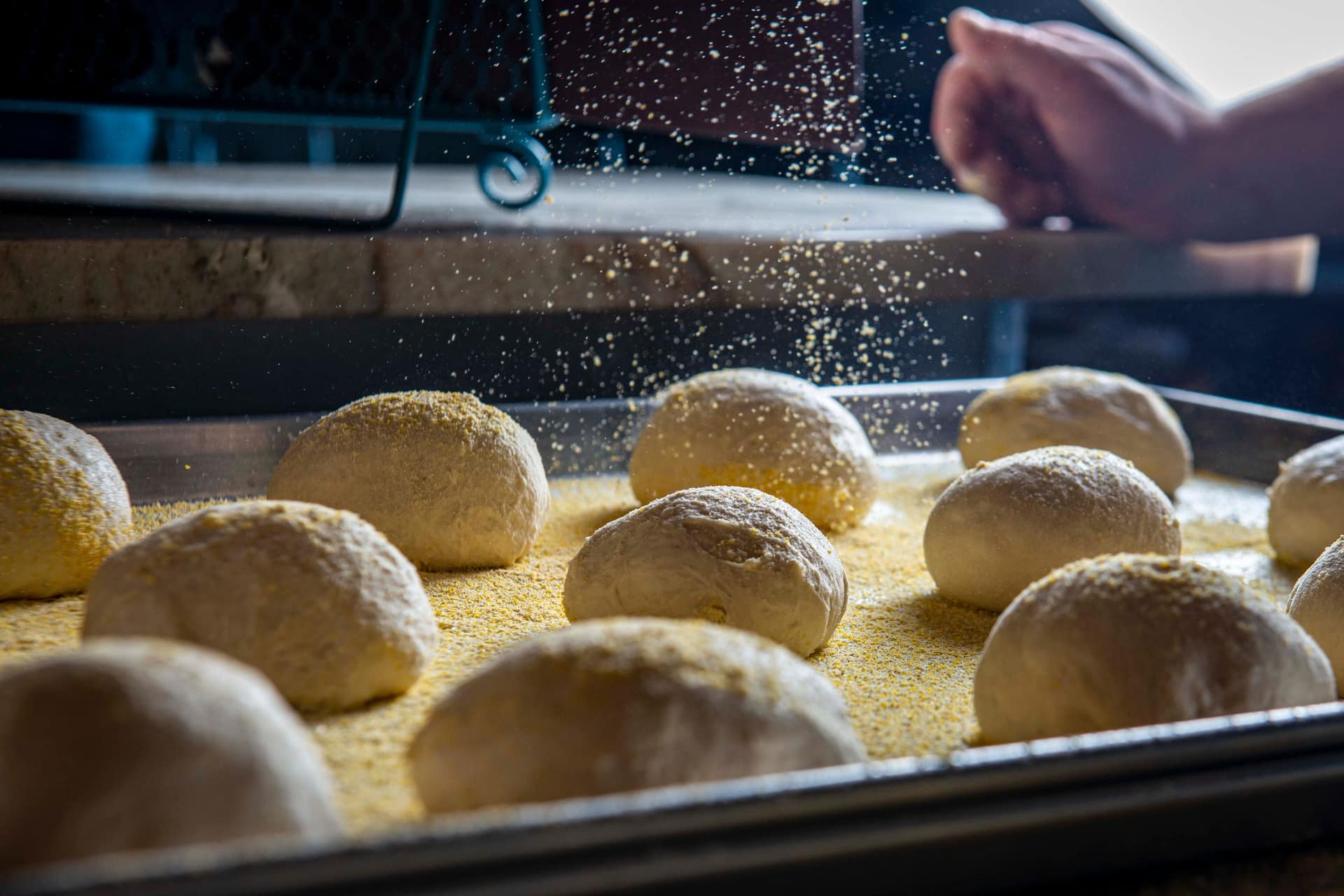
Why your sourdough sticks to the banneton
Rice flour, liners and a seasoned basket. Why wheat flour fails and what to use instead.
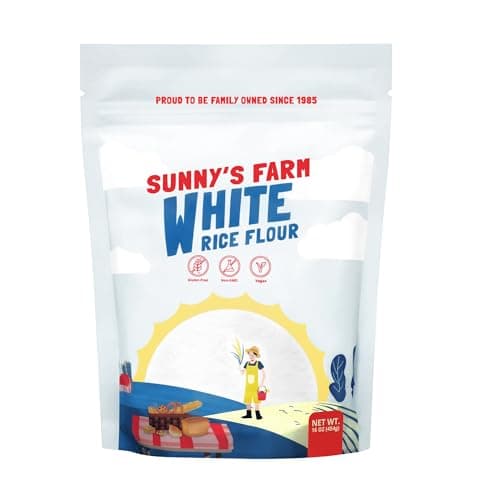
Top pick · Sunny's Farm White Rice Flour, 16 oz
#ad Disclosure · Price as of October 17, 2026
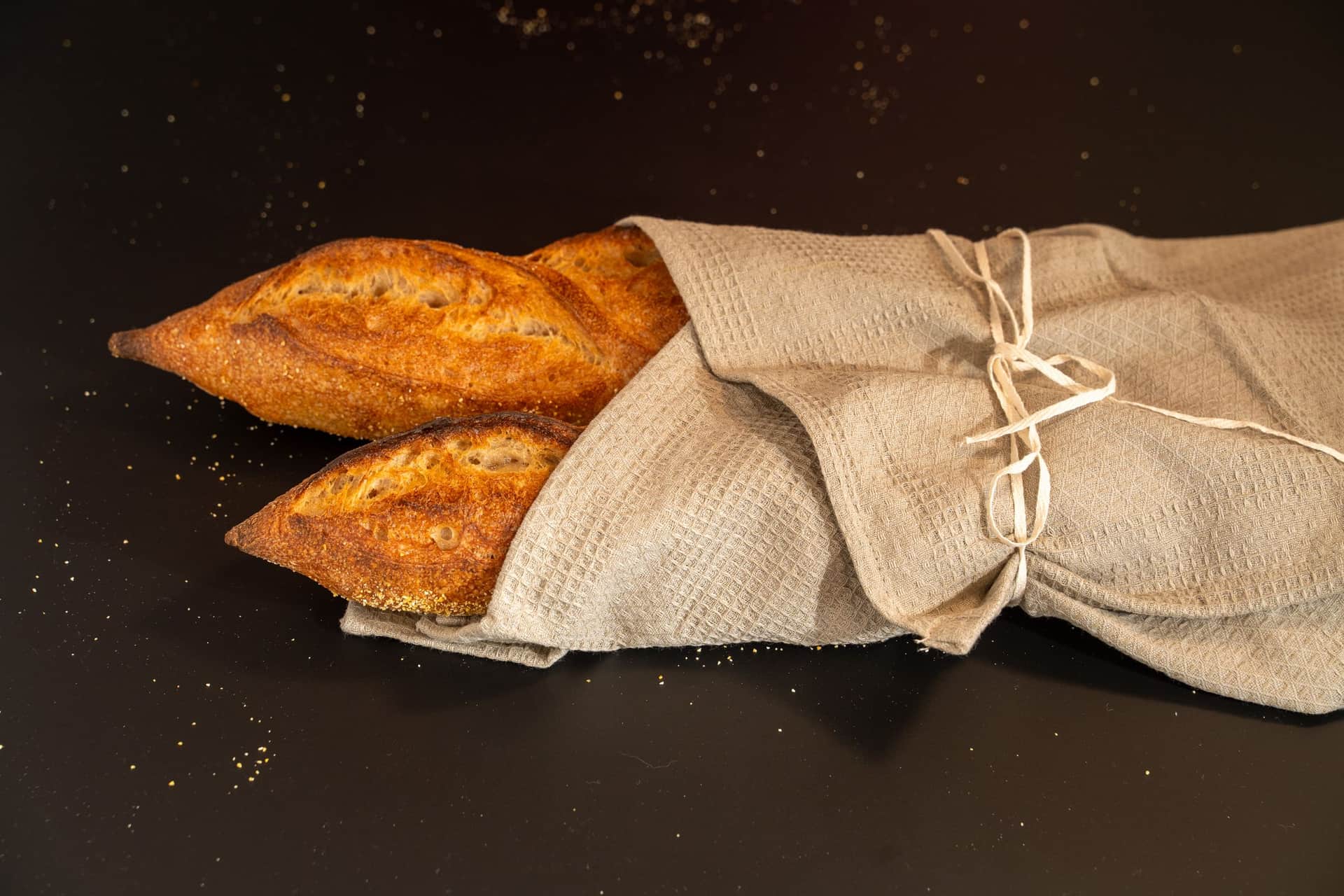
Best Bakers Couche
Best bread couche
Linen versus cotton, how big a sheet you need, and why washing one ruins it.
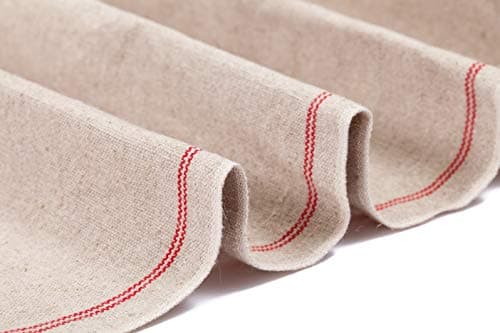
Top pick · Saint Germain Bakery Couche, 35 x 26 inch, French Flax Linen
#ad Disclosure · Price as of October 17, 2026
Best Thermometers
Best thermometer for sourdough
The two temperatures that decide a loaf, and the cheapest instrument that reads both honestly.
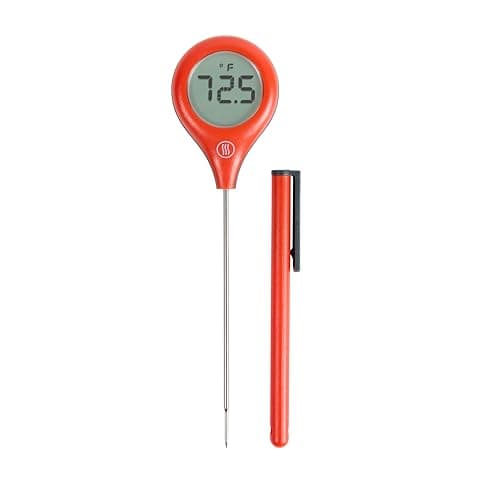
Top pick · ThermoWorks ThermoPop 2
#ad Disclosure · Price as of October 17, 2026
Best Mixing Bowls
Best mixing bowl for sourdough
Why four quarts is too small, what the material does to dough temperature, and the Pyrex glass change.
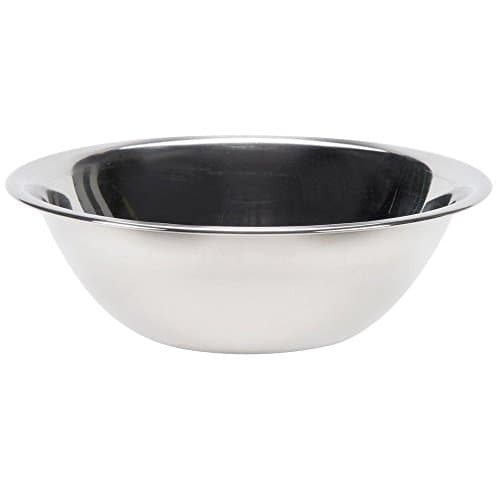
Top pick · Vollrath 47938 8-Quart Economy Mixing Bowl
#ad Disclosure · Price as of October 17, 2026
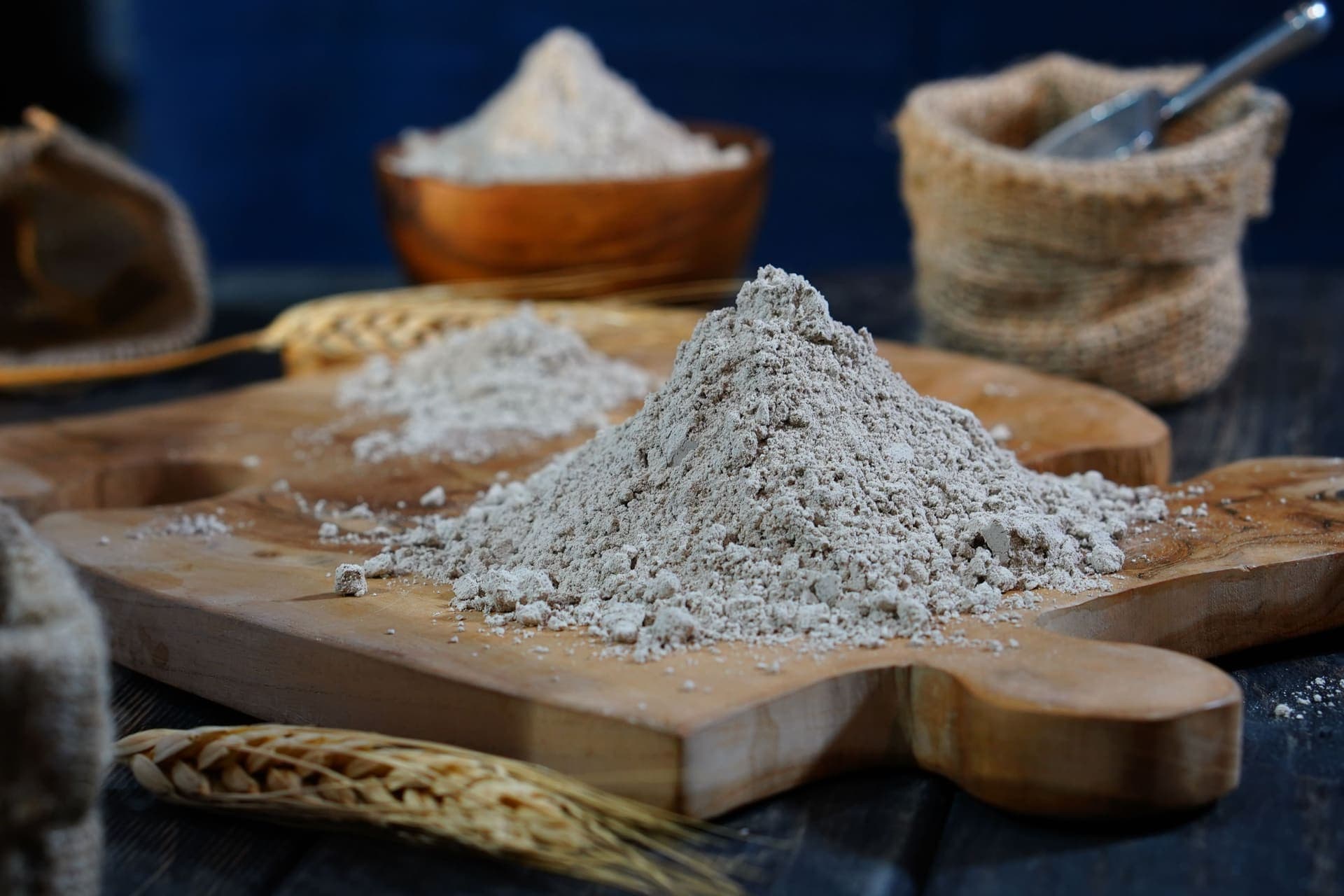
Best Grain Mills
Best grain mill for sourdough
Stone against impact burrs, why milling heats the flour, and who genuinely should not buy one.
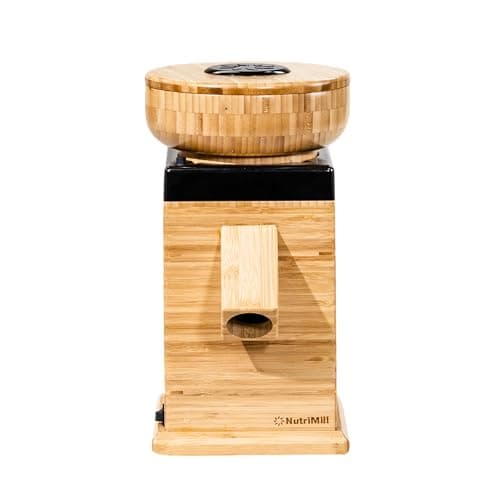
Top pick · NutriMill Harvest Electric Stone Grain Mill, 450 Watt
#ad Disclosure · Price as of October 17, 2026
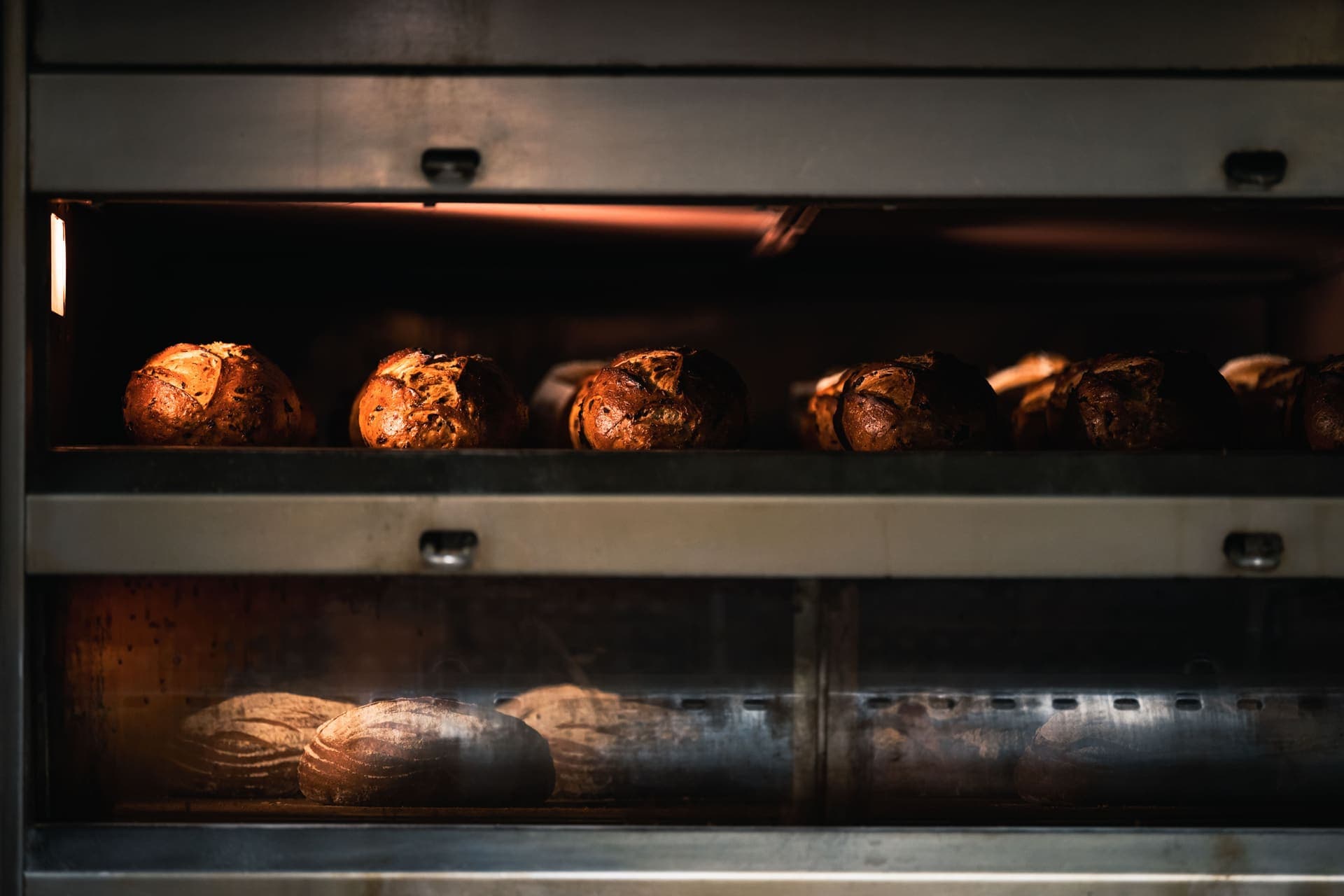
Best Oven Thermometers
Best oven thermometer for bread
Your oven is preheated long after it says so. The dials, the probe and the one that reads the stone.
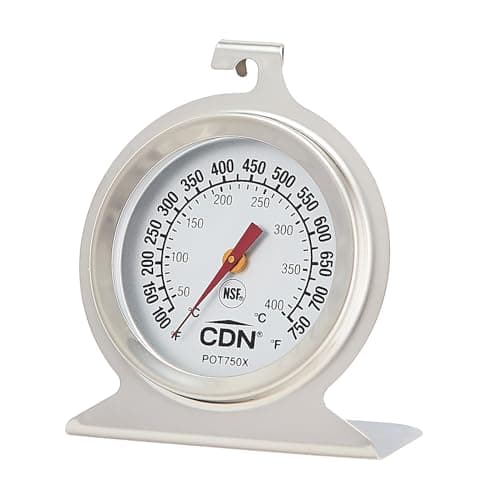
Top pick · CDN POT750X High Heat Oven Thermometer
#ad Disclosure · Price as of October 17, 2026
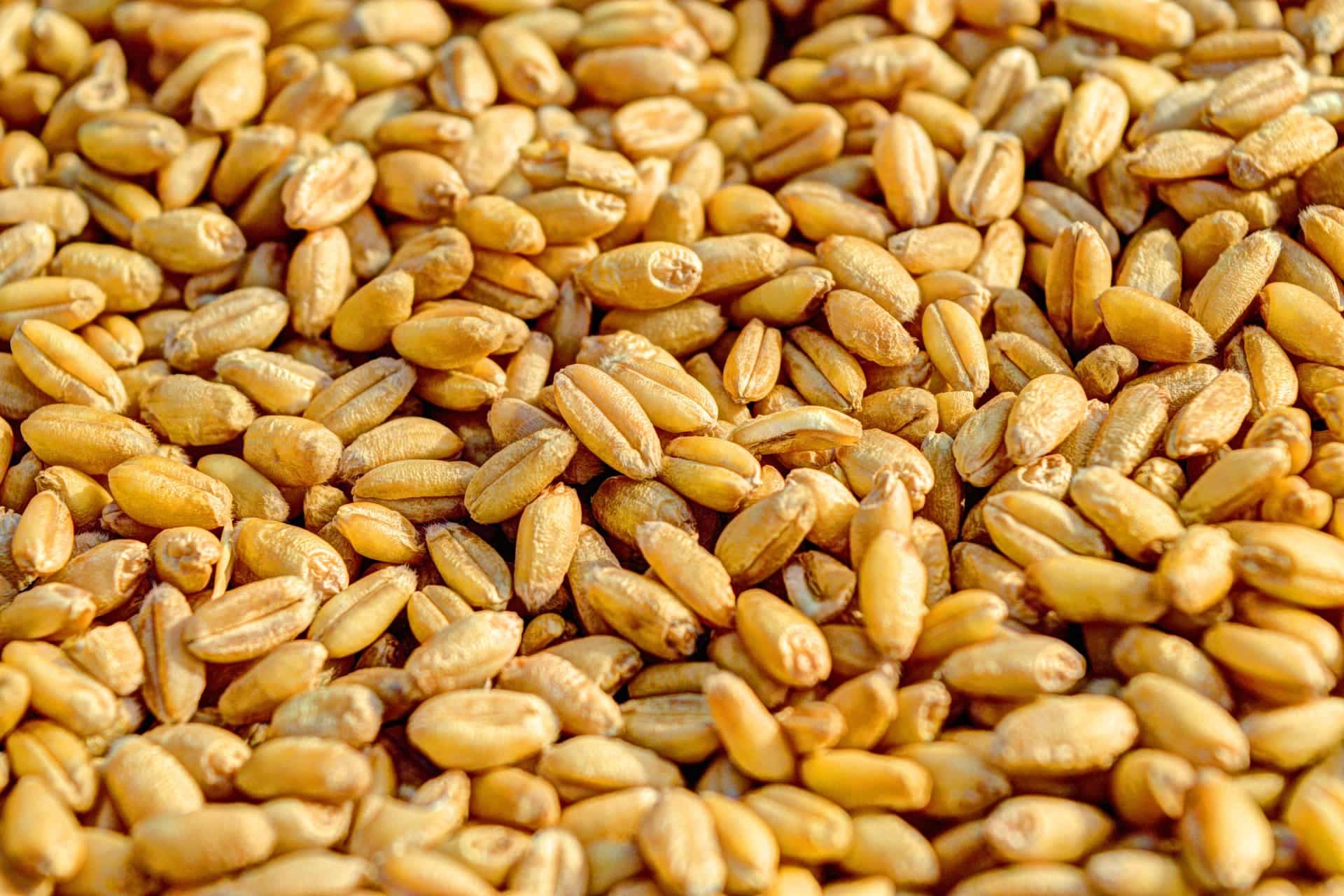
Best Wheat Berries
Best wheat berries for sourdough
Hard red, hard white and heritage compared on the class protein ranges almost nobody publishes.
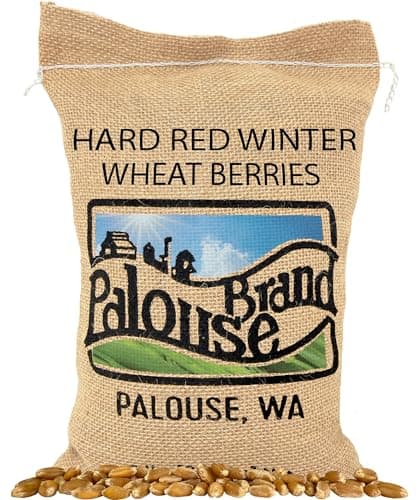
Top pick · Palouse Brand Hard Red Winter Wheat Berries, 5 lb
#ad Disclosure · Price as of October 17, 2026
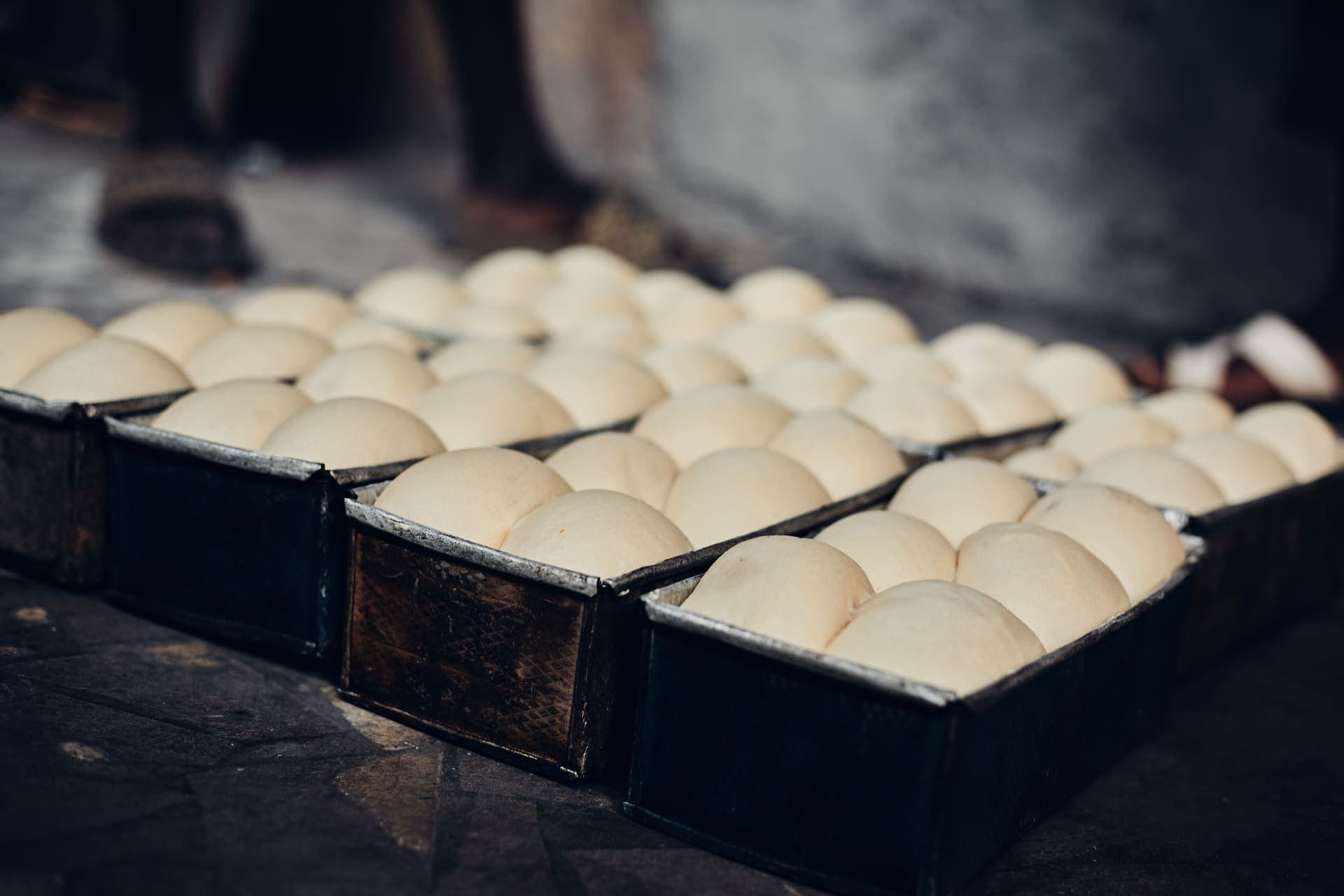
Best Proofing Boxes
Best bread proofing box
Heated chambers, not mats and not plastic tubs. What each actually controls, and who should skip it.
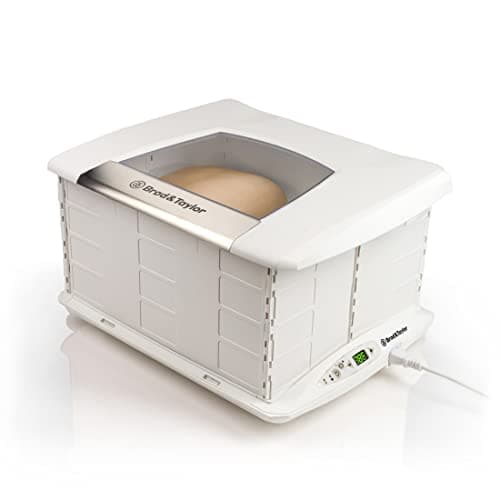
Top pick · Brod & Taylor Folding Proofer & Slow Cooker
#ad Disclosure · Price as of October 17, 2026
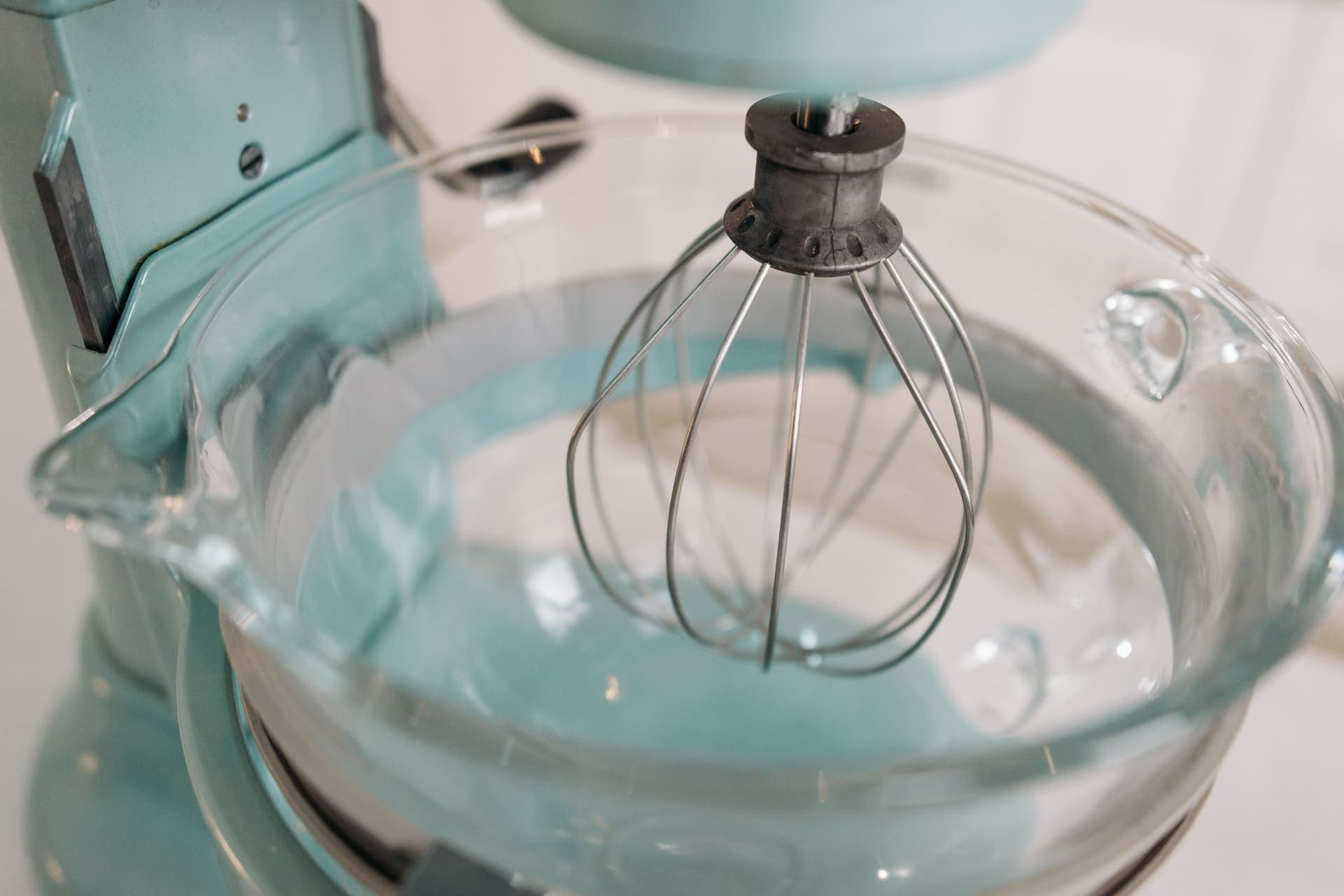
Stand Mixer Verdict
Do you need a stand mixer for sourdough?
Why a mixer is optional for sourdough, the friction-heat numbers, and the one machine built for dough.
Top pick · Mrs. Anderson's Baking Dough Whisk, Single-Loop, 12 Inch
#ad Disclosure · Price as of October 17, 2026
Working it out
Guides and comparisons
Orientation
More about Sourdough Baking Gear
The pot, and what it is actually doing
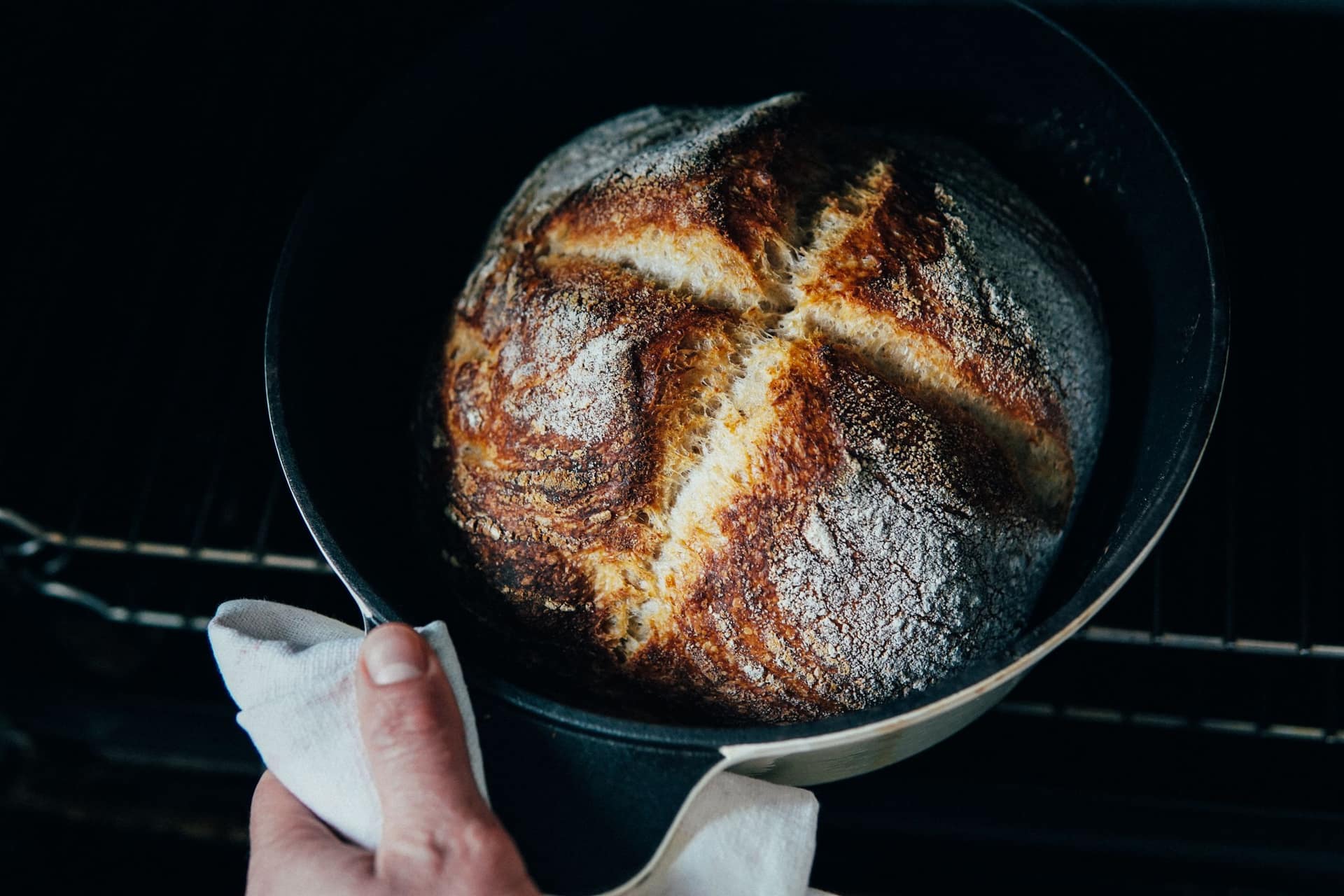
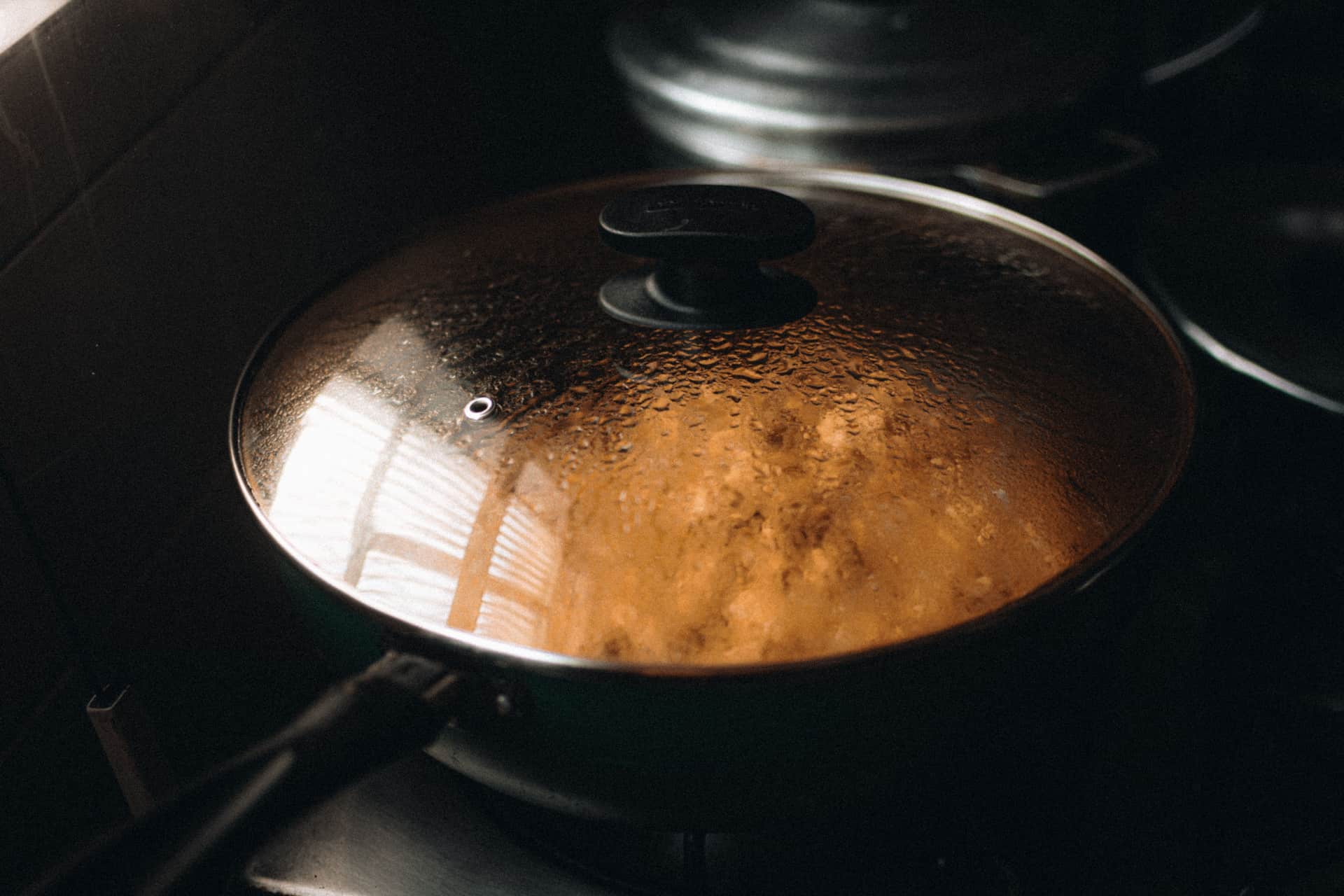
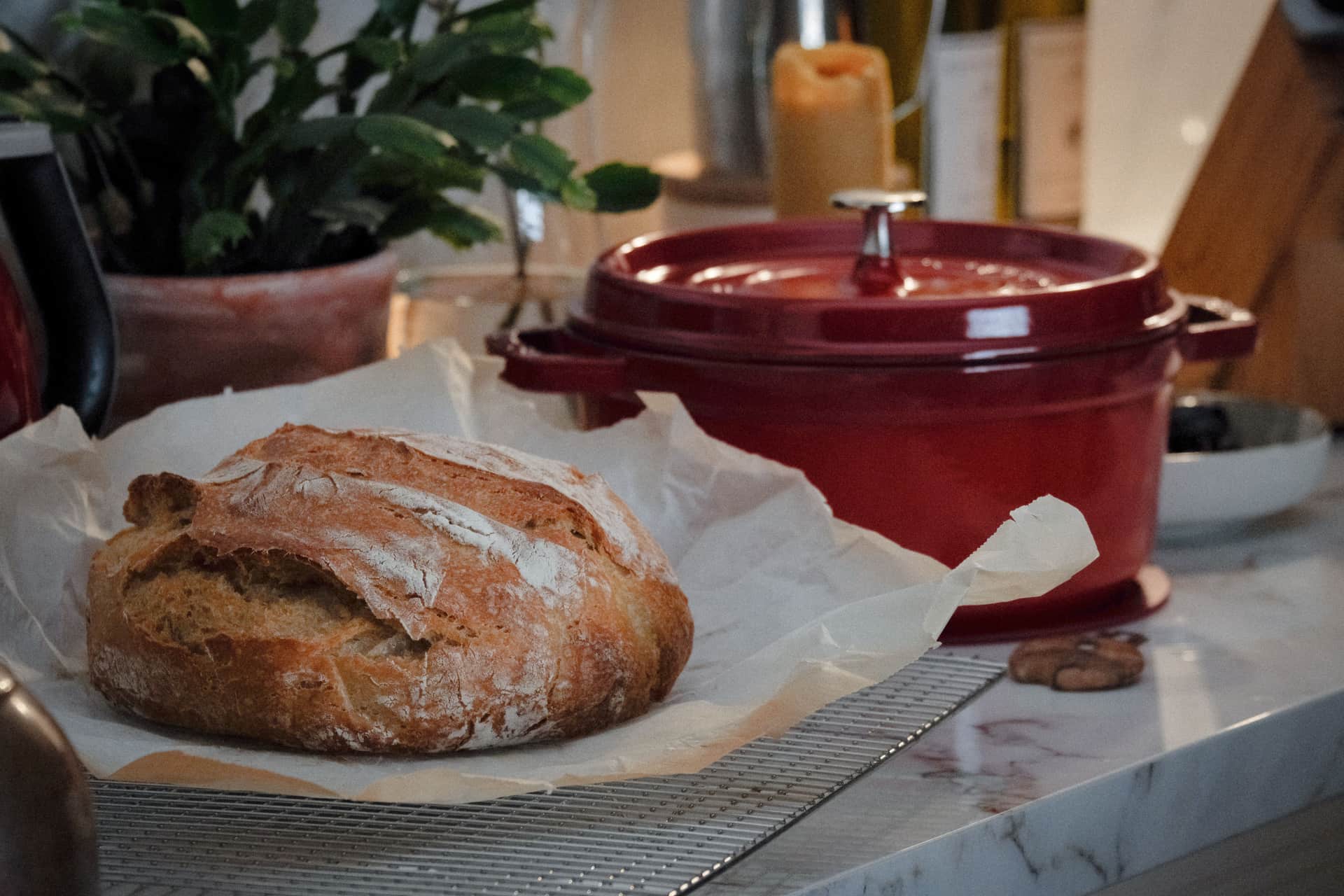
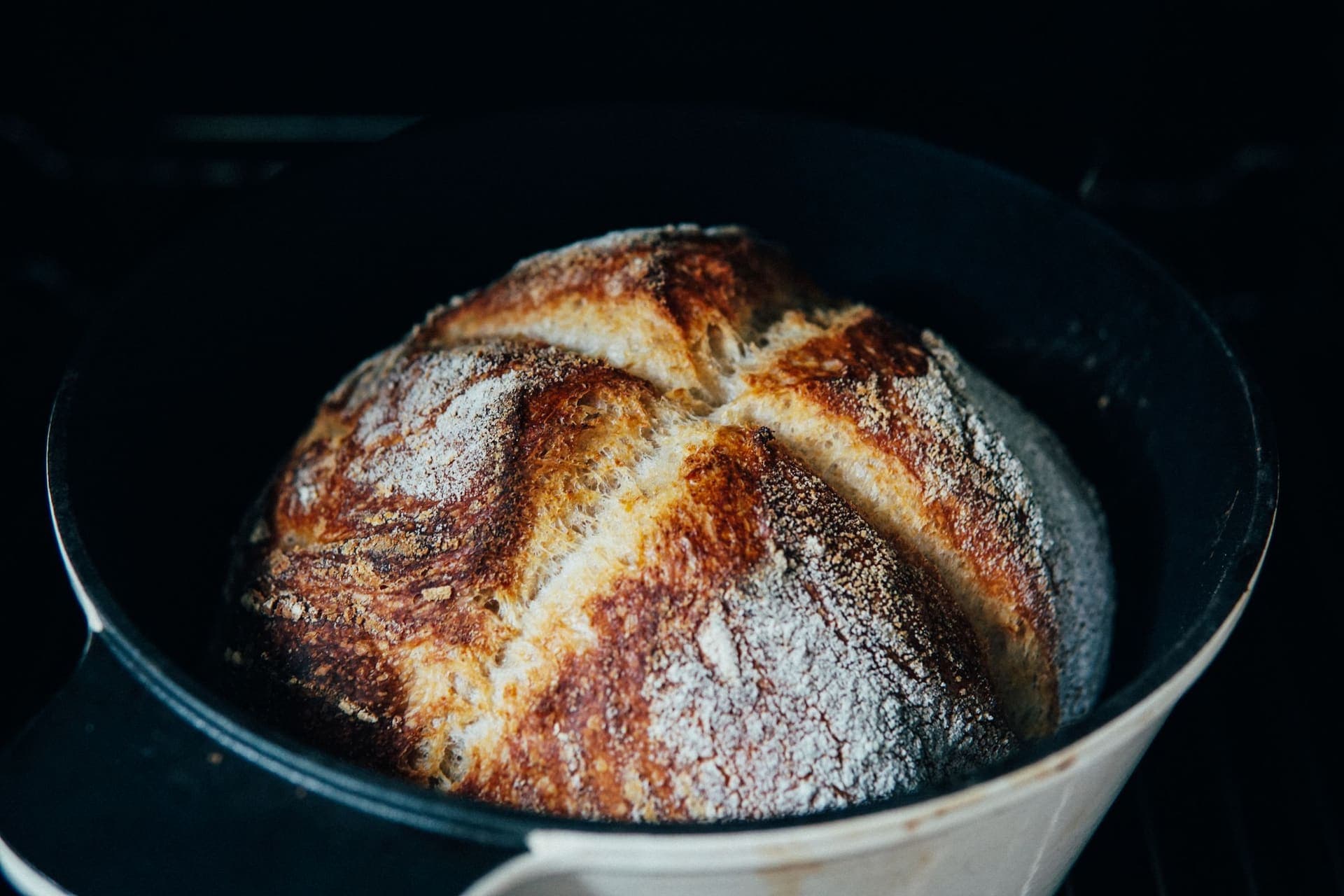
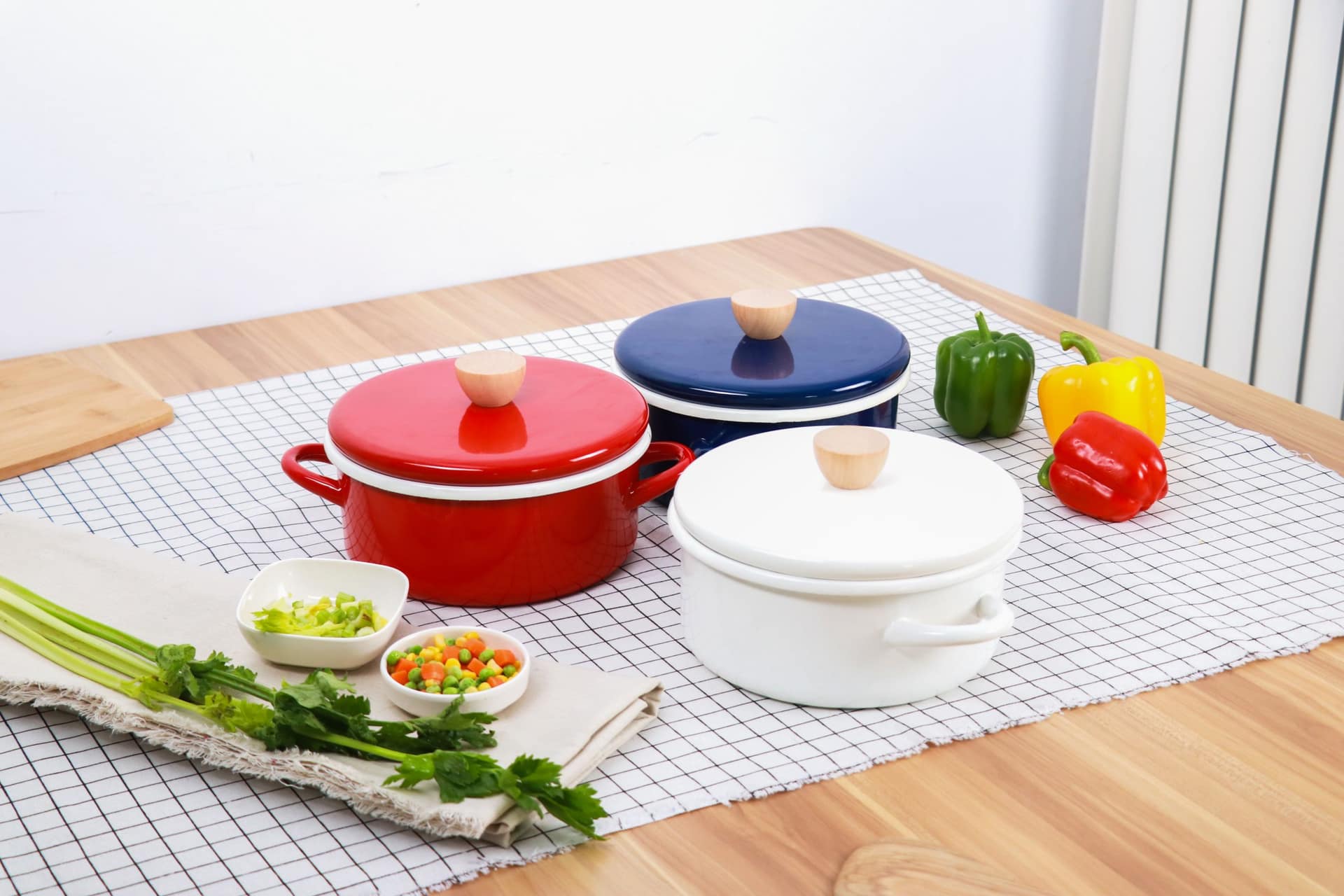
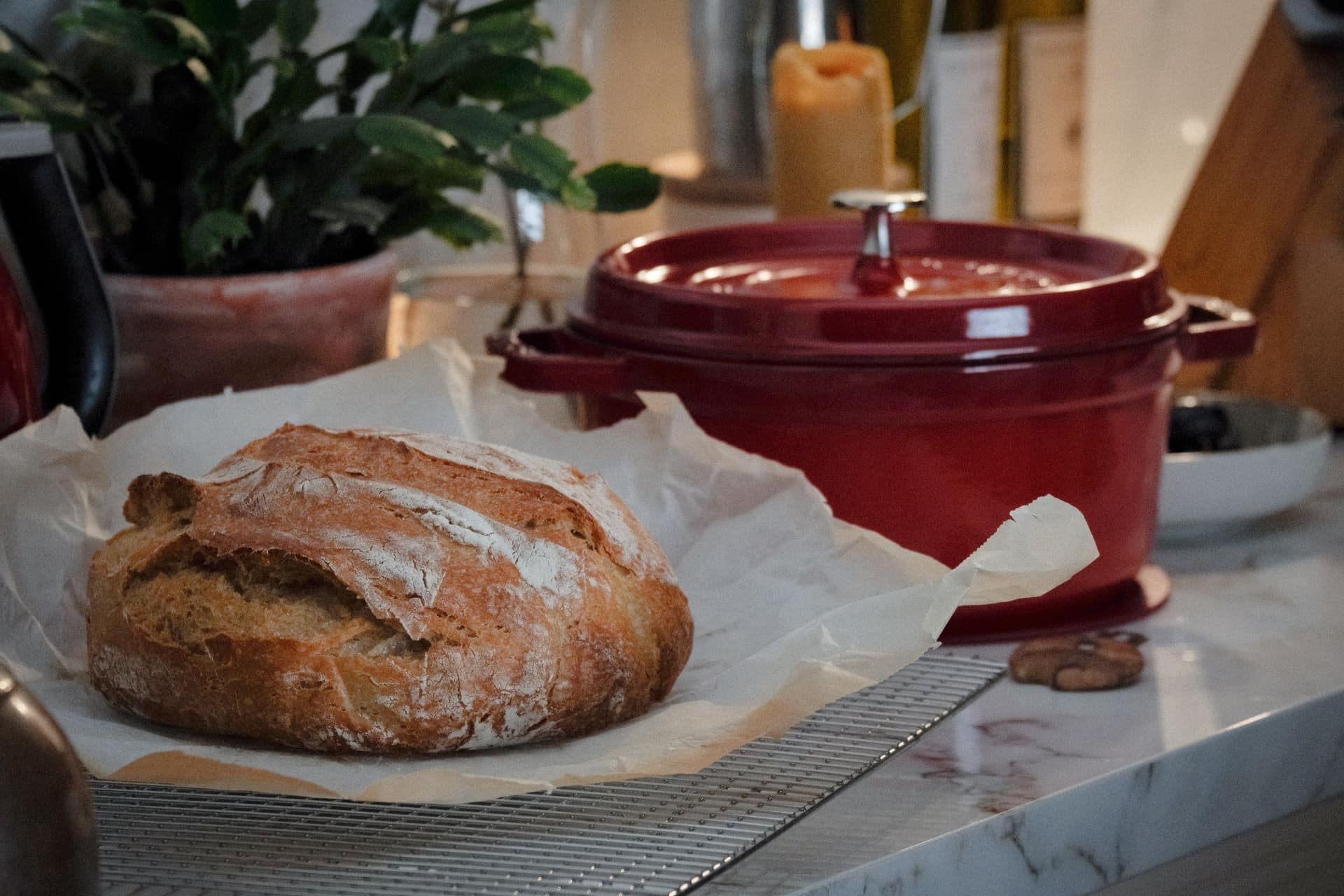
A Dutch oven does not make better bread by being cast iron or by being expensive. It traps the steam the loaf releases in its first fifteen minutes so the crust stays soft enough for the loaf to expand fully. Then you take the lid off and dry heat browns it.
Which means any heavy oven-safe vessel with a tight lid works — a stockpot, a casserole, a covered roasting pan, or an oven-safe bowl inverted over a baking sheet. If one is already in your kitchen, use it and spend the money on flour. The full argument is in do you need a Dutch oven for sourdough.
If you do buy, the specification that matters most is not the material — it is the lid. Loading a wet, fully-proofed loaf into a 500F pot is the most nerve-wracking moment of a home bake, and a shallow base with a flat lid is far easier to load than a deep pot with a domed one. That is why our Dutch oven roundup ranks on geometry rather than brand.
Size: five to six quarts for the roughly 900g loaf a standard beginner recipe produces. Below that the loaf touches the walls; well above it, the same moisture has to humidify much more air. The size question in full.
The basket
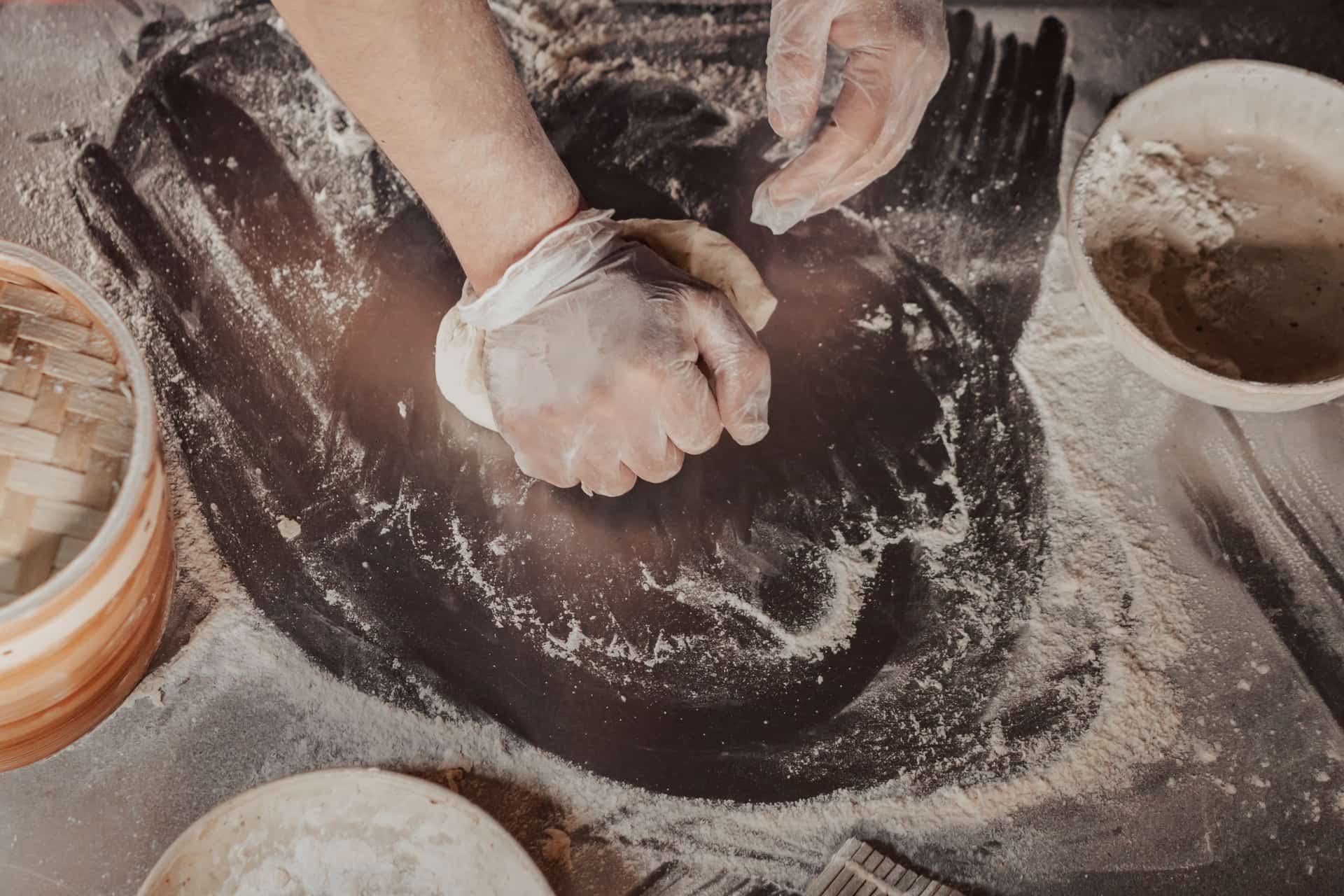
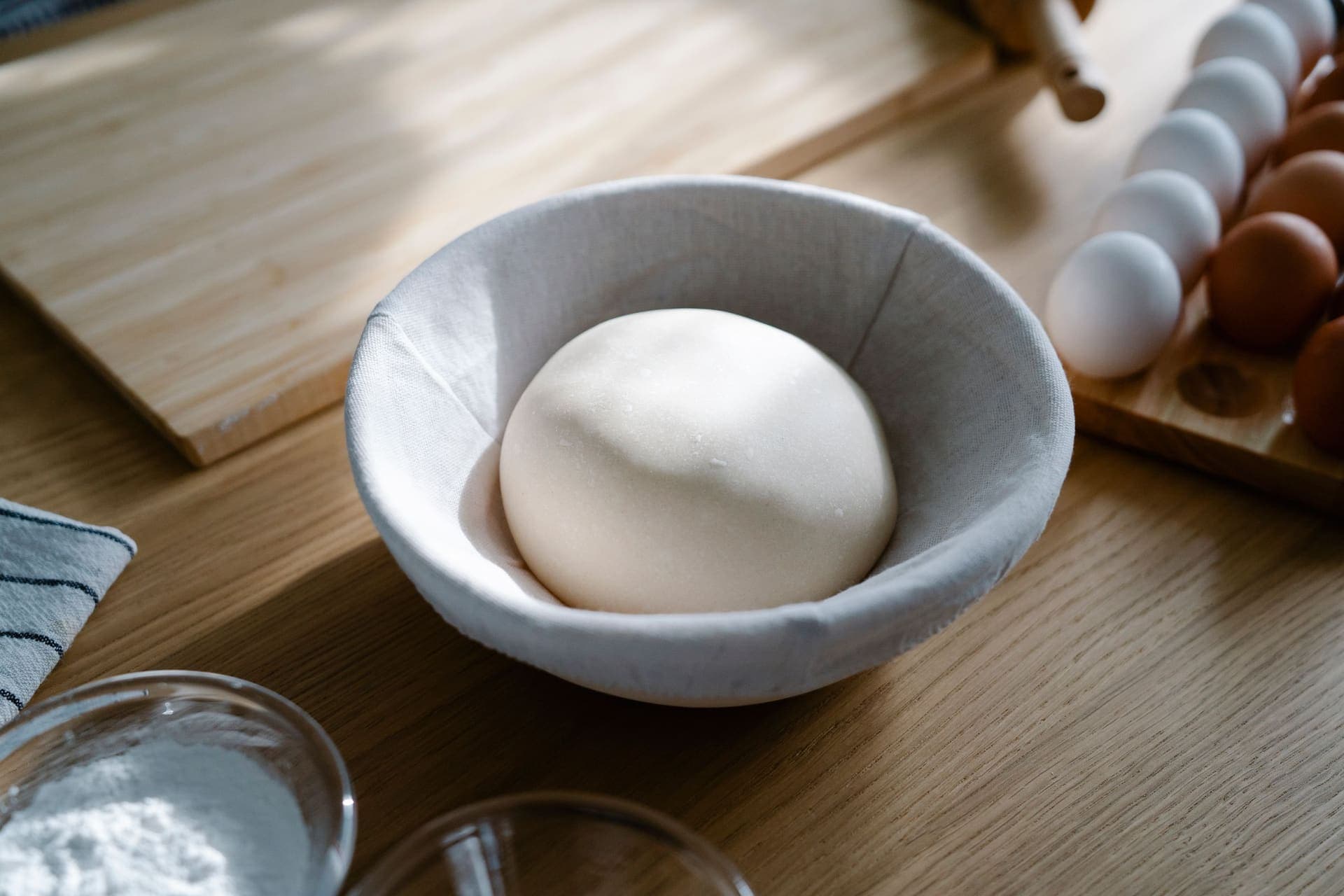
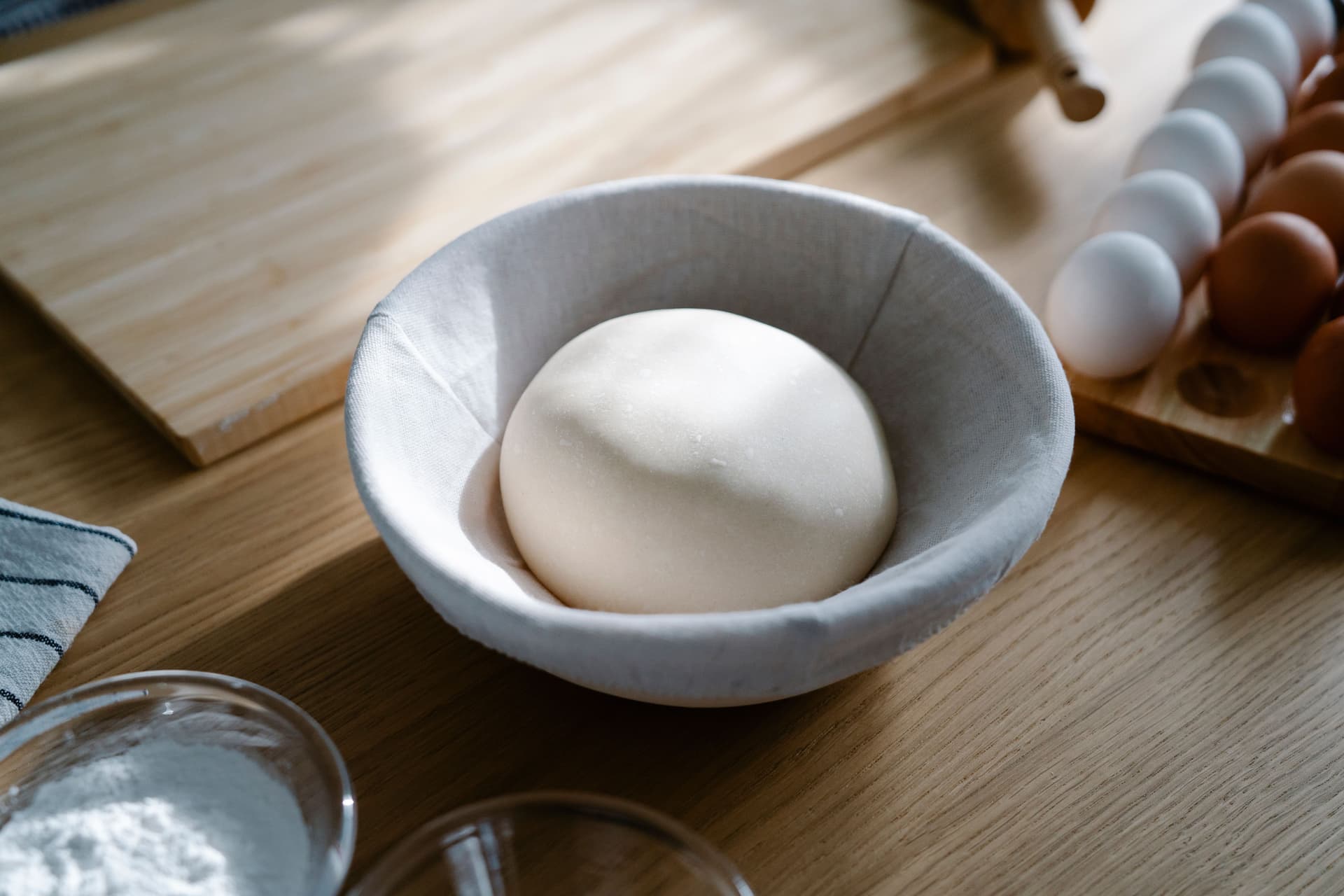
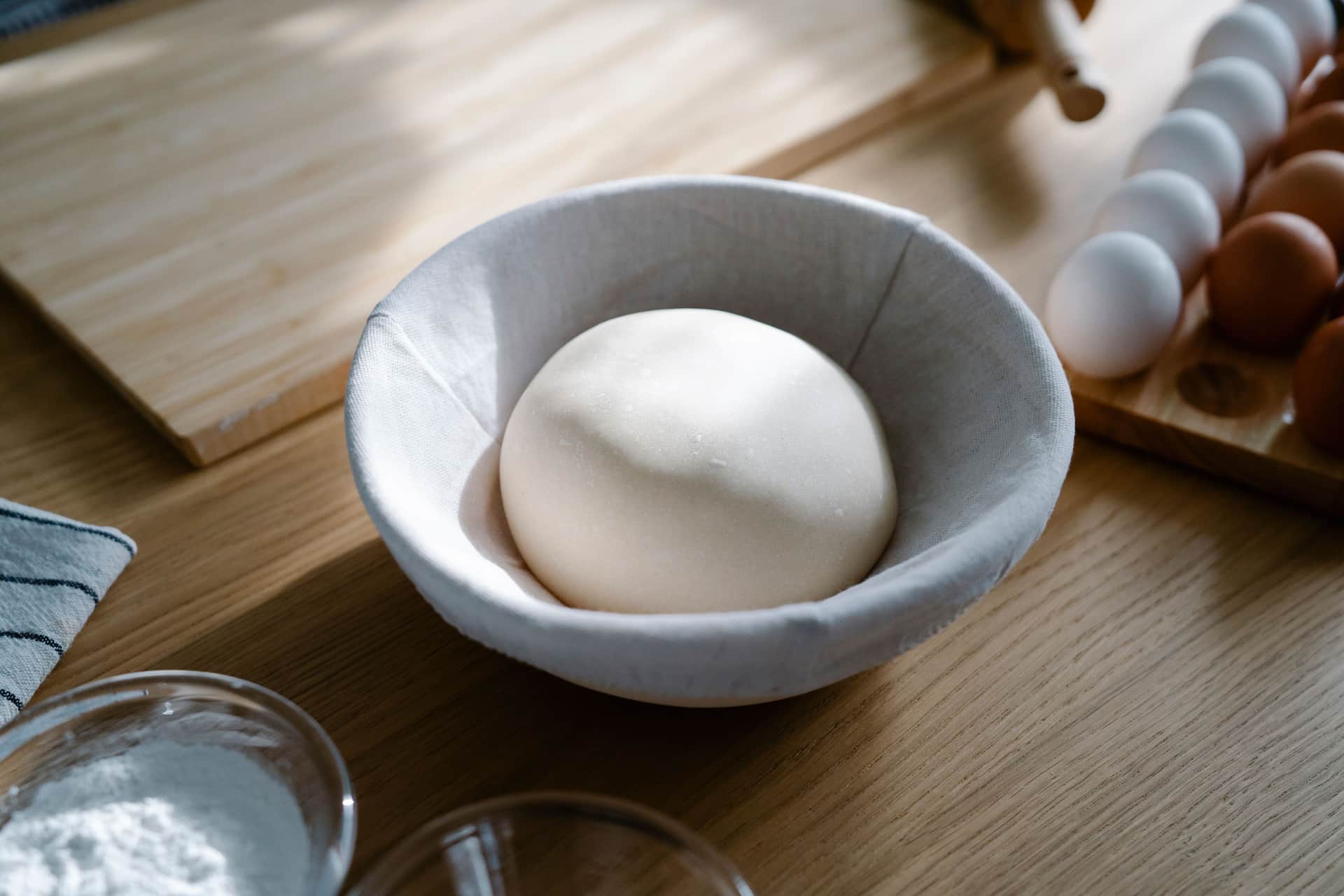
A banneton holds a shaped loaf while it proofs, and — the part people miss — its cane surface wicks moisture off the outer layer of the dough. That slightly dry skin is what a blade cuts cleanly instead of dragging through, and it is what lets a scored flap lift into an ear.
A bowl and a floured tea towel do the first job and only part of the second, which is a real difference but not a large one — see banneton versus bowl. Buy one 9-inch round basket, not two shapes at once.
One tip that costs nothing and prevents most sticking: dust the basket with rice flour rather than wheat flour. It absorbs far less water, so it stays powdery between the dough and the cane rather than turning to paste.
The blade
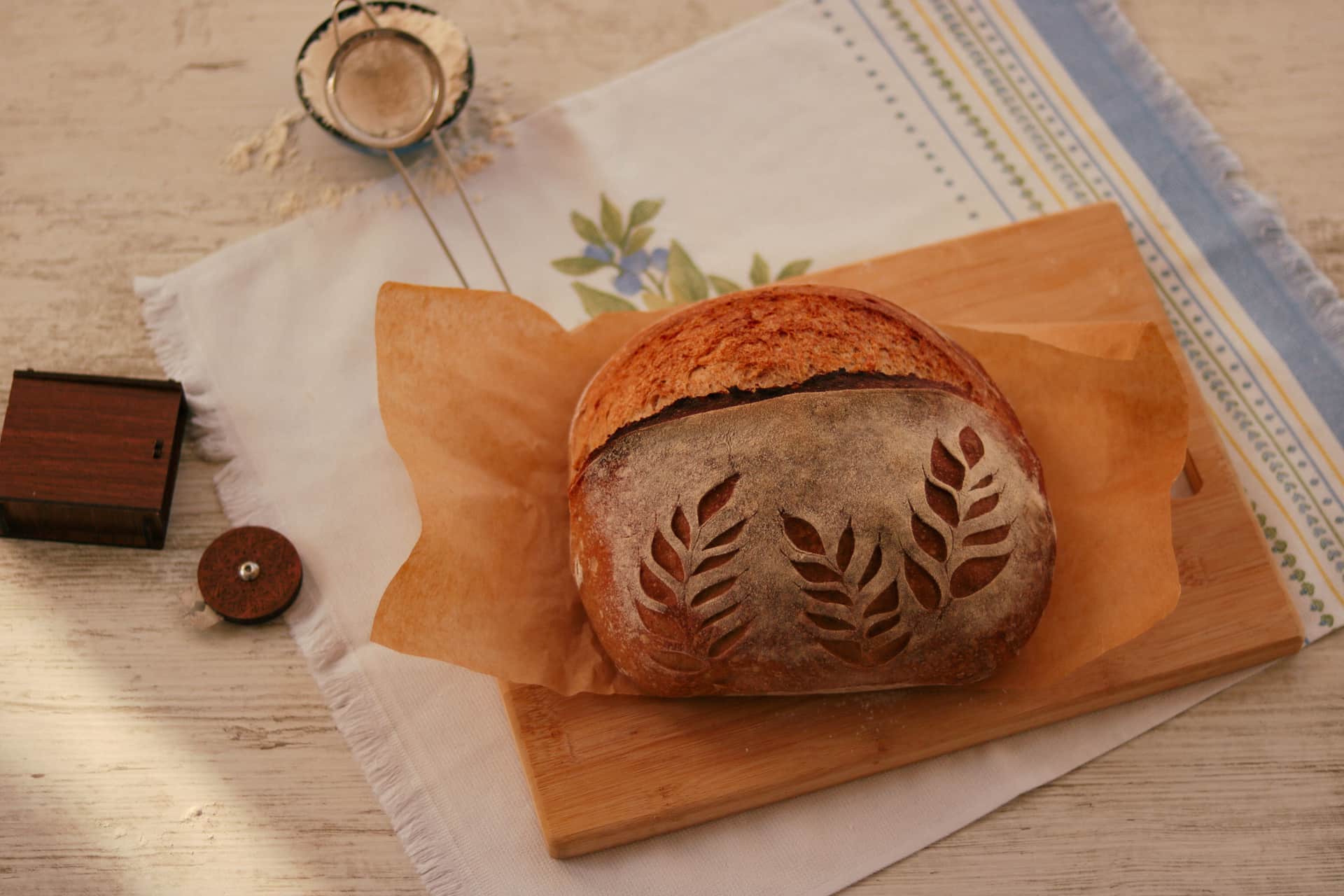
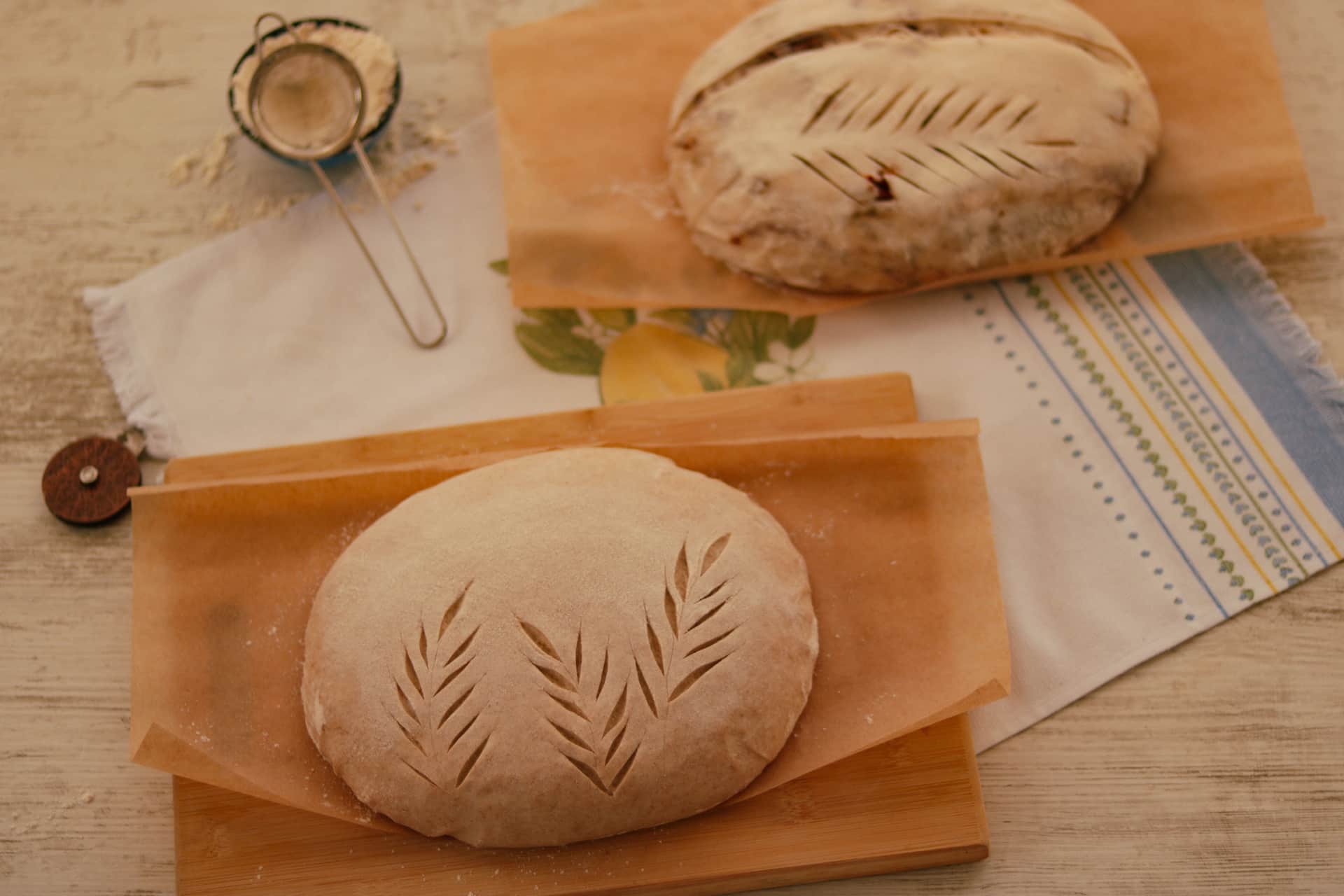
Nearly every bread lame on the market holds the same object — a standard double-edge razor blade, sold in packs of a hundred for a few dollars. The blade cuts; the handle holds it. So the entire purchase decision is about how rigidly the handle holds that blade, and a cheap one does it adequately.
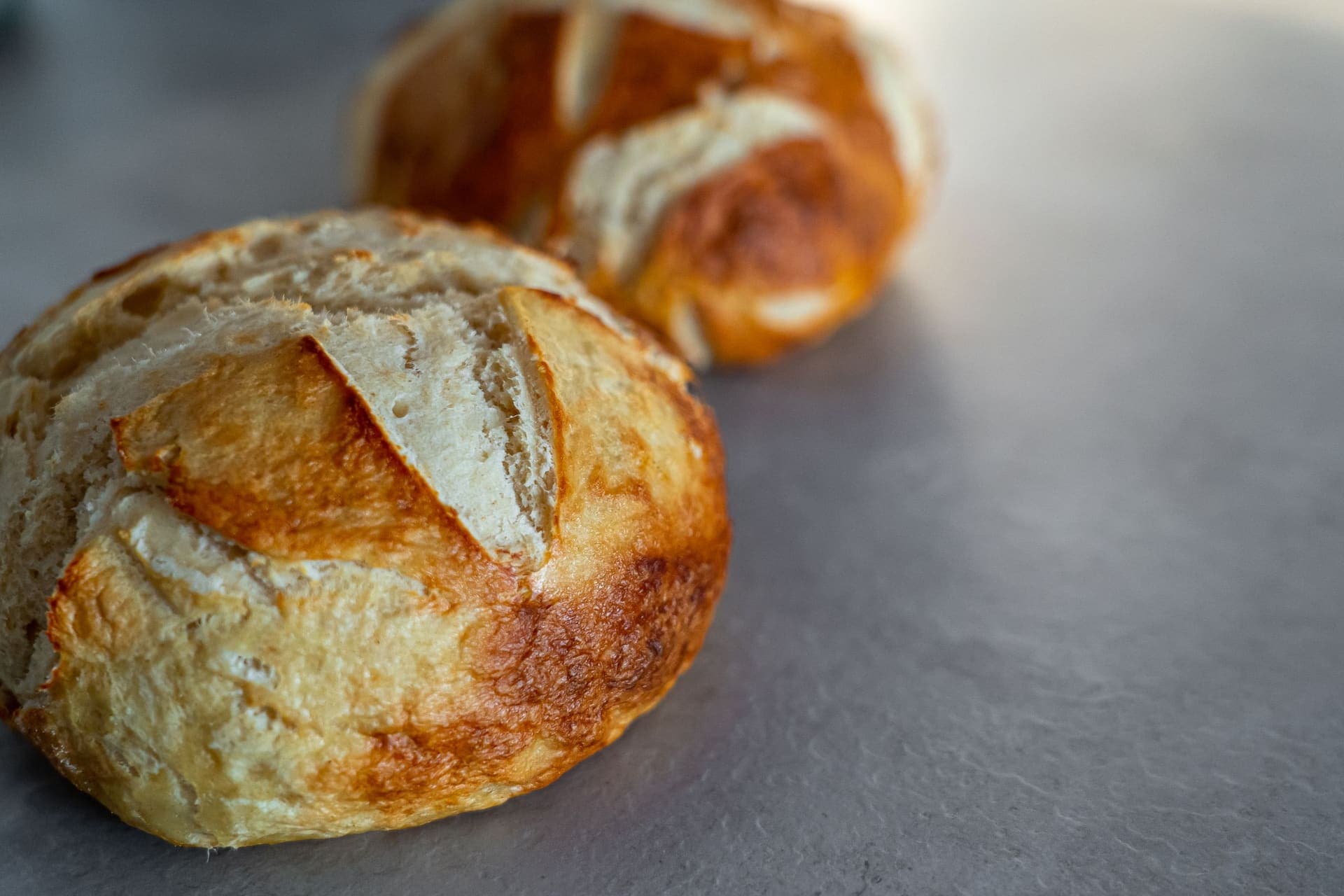
Technique matters far more than the tool. Cold dough cuts, warm dough drags; a shallow angle makes an ear, a vertical cut makes a trench; one confident cut beats three hesitant passes. All three are free, and they are in how to score with a lame.
The thing that is not on this page
A scale. It belongs to this section as much as anything here, and it is the cheapest and most consequential purchase in sourdough, because bread is a set of ratios and volume measures do not hold a ratio. It is genuinely frustrating that almost no baking kit includes one — our scale picks are here.
The other instrument, and the other omission from most kits, is a thermometer. It answers the two questions you cannot answer by looking: how warm the dough actually is when you mix it, which sets how long bulk will take, and whether the middle of the loaf is cooked. The internal temperature everyone repeats is also higher than King Arthur’s own figure for an ordinary loaf, which is the sort of thing worth knowing before you overbake a month of bread — the thermometer picks are here.
A second temperature is worth knowing and it is not the dough’s: your oven’s. The dial on the front reports what the thermostat was asked for, and most ovens announce they are preheated well before the air where the loaf sits has arrived — which is the difference between oven spring and a pale loaf. The fix costs about ten dollars — the oven thermometer picks are here.
Temperature before the oven matters too, and the free fix usually wins: an oven with its light on holds dough warmer than a cold room for nothing. If that is not enough in your kitchen — an LED bulb gives off almost no heat, which kills the trick outright — a heated chamber is the paid answer, and three different products are confusingly sold under the same name. We sort them out in best bread proofing box.
What order to buy in
Scale first. Then bake in a pot you already own, and mix in a bowl you already own — though if yours is a four-quart bowl, capacity is the one thing worth upgrading early. Then a basket, when you want loaves that look like the pictures. Then a lame, which costs less than a bag of good flour. Then, and only if loading a hot pot is the thing that genuinely bothers you, a purpose-built pot or cloche.
Two things that decide a loaf are not pots at all: the flour, compared in best flour for sourdough bread and, years later if ever, milled at home from whole wheat berries, and whether you need to buy a pot in the first place — we put a stockpot head to head with cast iron in Dutch oven vs stockpot, settle the naming in Dutch oven vs French oven, and rank the cheap end in best budget Dutch oven.
The blade that cuts the finished loaf is the one tool most people already own and most people own too short — best bread knife for sourdough explains why ten inches is the number.
Once the loaf is out of the oven, how you keep it decides whether it is still good on day four. The short version is out on day one, bagged after that and frozen beyond a few days, never refrigerated — how to store sourdough bread has the detail and the bags worth buying.
If you are weighing an expensive pot, two questions come up in this order: whether the premium is worth it — for bread alone it is not — and then Le Creuset versus Staub, which comes down to enamel color and weight rather than anything the loaf notices.
Two cloth problems have their own pages. When dough welds itself to the basket, rice flour is the fix and there is a reason it works; and for long loaves a bakers couche is the only tool that does the job, as long as it is linen and not cotton.
Three surfaces and vessels sit outside the Dutch oven story. A flat baking steel or stone is what you buy for the loaves a pot cannot hold — baguettes, ciabatta, two at once. The Challenger Bread Pan inverts the pot so you load and score in the open, at a price most people should not pay. And a bread machine can make genuine sourdough only if its cycle is programmable, which most are not. For the square sandwich loaf a pot cannot make, a Pullman pan is the tool — as long as the dough weight matches the pan.
Two storage questions belong here too: what the dough rises in, in best dough proofing container, and what the flour sits in before that, in best flour storage containers — where the one thing that matters is keeping whole grain flour cold.
Three cheap things are missing from that order because they are almost afterthoughts: a bench scraper and a bowl scraper, which between them cost less than a banneton, and a Danish dough whisk, which is ten dollars and saves you the sticky stage of the mix, and a silicone bread sling, which lifts a loaf out of a hot pot without a burned forearm. If you slice a whole loaf at a time for the freezer, a slicing guide squares the cuts — as long as it takes a round loaf, which most do not. Two expensive things are missing on purpose: a proofing box and a premium lame, and a razor blade scores as well as either.
A third expensive thing is missing on purpose too, and it is the one people ask about most. You do not need a stand mixer for sourdough — King Arthur measured a mixer putting 22 to 24F of friction heat into dough against 6 to 8F for hands, which makes it a variable to manage rather than a shortcut. If you want one anyway, the two candidates are both rated at the same 500 watts and differ only in geometry: Bosch Universal Plus versus KitchenAid settles which.
And if the thing keeping you from baking is the moment you lower a proofed loaf into a 500F pot, there is a vessel you load cold instead. Our Emile Henry bread cloche review covers what that buys you and the published 500F ceiling it costs you — a limit with no headroom, which almost no review mentions.
Every page in this section · Best Dutch oven for sourdough bread · Best banneton proofing baskets · Best kitchen scales for sourdough · Best bread lames · Banneton vs bowl for sourdough · Bread cloche vs Dutch oven · Do you need a Dutch oven for sourdough? · What size Dutch oven do you need for sourdough? · How to score sourdough with a lame · Dough scraper vs bench scraper · Do you need a proofing box? · What to use instead of a bread lame · Best flour for sourdough bread · Dutch oven vs stockpot for sourdough · Dutch oven vs French oven · Best budget Dutch oven for sourdough · How to store sourdough bread · Best bread knife for sourdough · Best Danish dough whisk for sourdough · Best bread sling for a Dutch oven · Best dough proofing container · Best flour storage containers · Baking steel vs baking stone · Best bread machine for sourdough · Challenger Bread Pan review · Best bread slicing guide · Best Pullman loaf pan · Le Creuset vs Staub · Is Le Creuset worth it? · Why your sourdough sticks to the banneton · Best bread couche · Best thermometer for sourdough · Best mixing bowl for sourdough · Best grain mill for sourdough · Best oven thermometer for bread · Best wheat berries for sourdough · Best bread proofing box · Do you need a stand mixer for sourdough? · Bosch Universal Plus vs KitchenAid · Emile Henry bread cloche review