Hub 04
Fermenting vegetables: jars, lids, weights and crocks
Cabbage, salt, and something that keeps air out. The equipment question is really just: how much do you want to spend to stop worrying?
Vegetable fermenting is the cheapest and fastest way into this hobby. Cabbage, salt, a jar, and something to hold everything under the brine. A first batch of sauerkraut is edible in about a week.
It is also the most forgiving thing on this site, because when it goes wrong it tells you plainly — the problem is nearly always visible on the surface of the jar.
What to buy
The picks in this section
Best Fermentation Kits
Best fermentation kits
Lid type is the real decision. Get the jar mouth right and the rest follows.
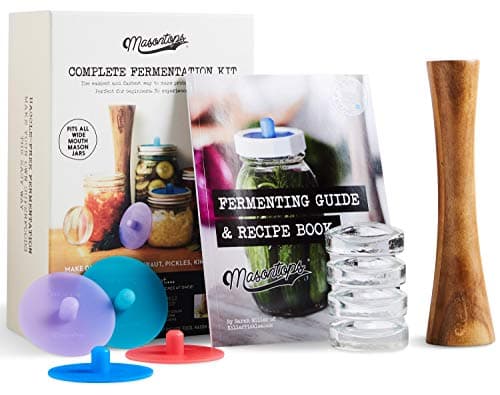
Top pick · Masontops Complete Mason Jar Fermentation Kit
#ad Disclosure · Price as of October 17, 2026
Best Crocks
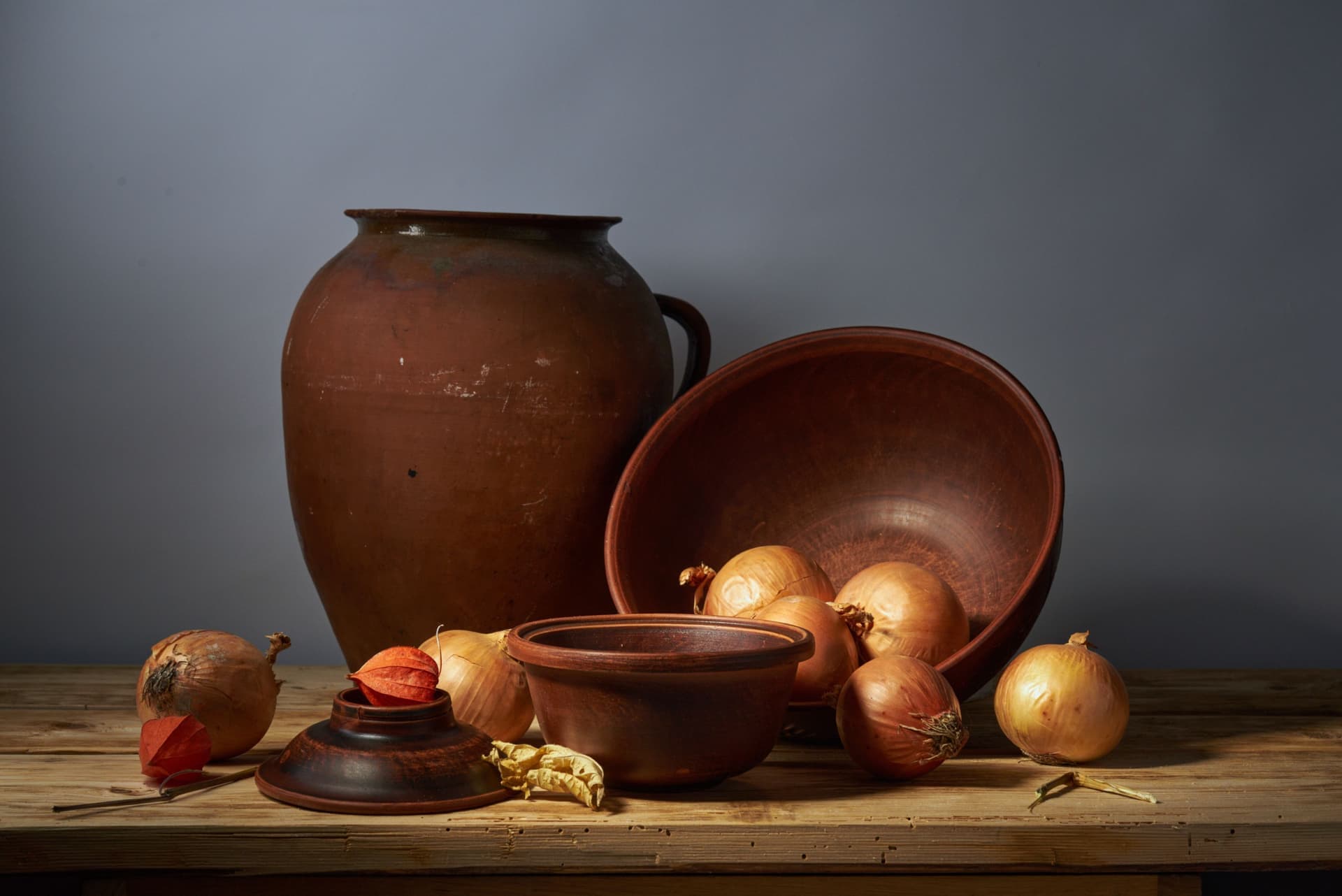
Best fermentation crocks
Water-sealed stoneware versus glass, and the size question that decides the purchase.
Top pick · Ohio Stoneware fermentation crock
Best Lids
Best fermentation lids for mason jars
Silicone valve, water airlock, stainless unit or plain storage lid. Which does what.
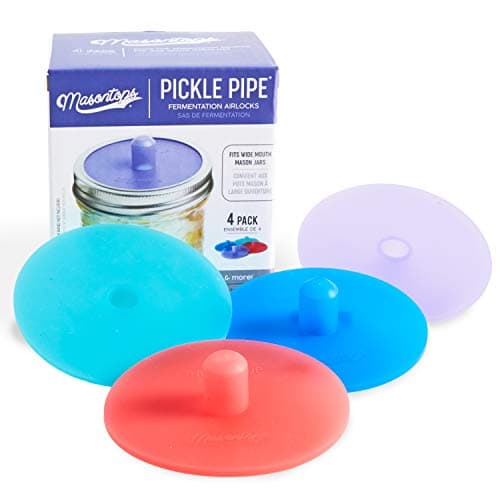
Top pick · Masontops Pickle Pipe silicone airlock
Best Weights
Best fermentation weights
The cheapest thing here and the one that prevents the most failures. Including the free option.
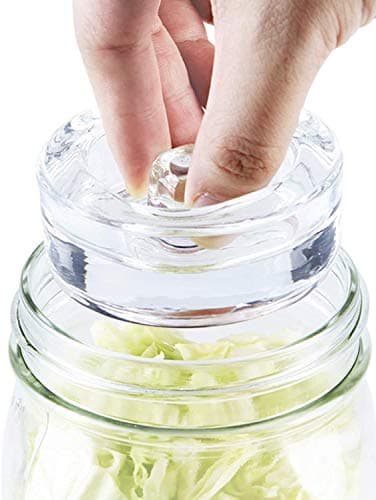
Top pick · Glass fermentation weight with a lifting knob
#ad Disclosure · Price as of October 17, 2026
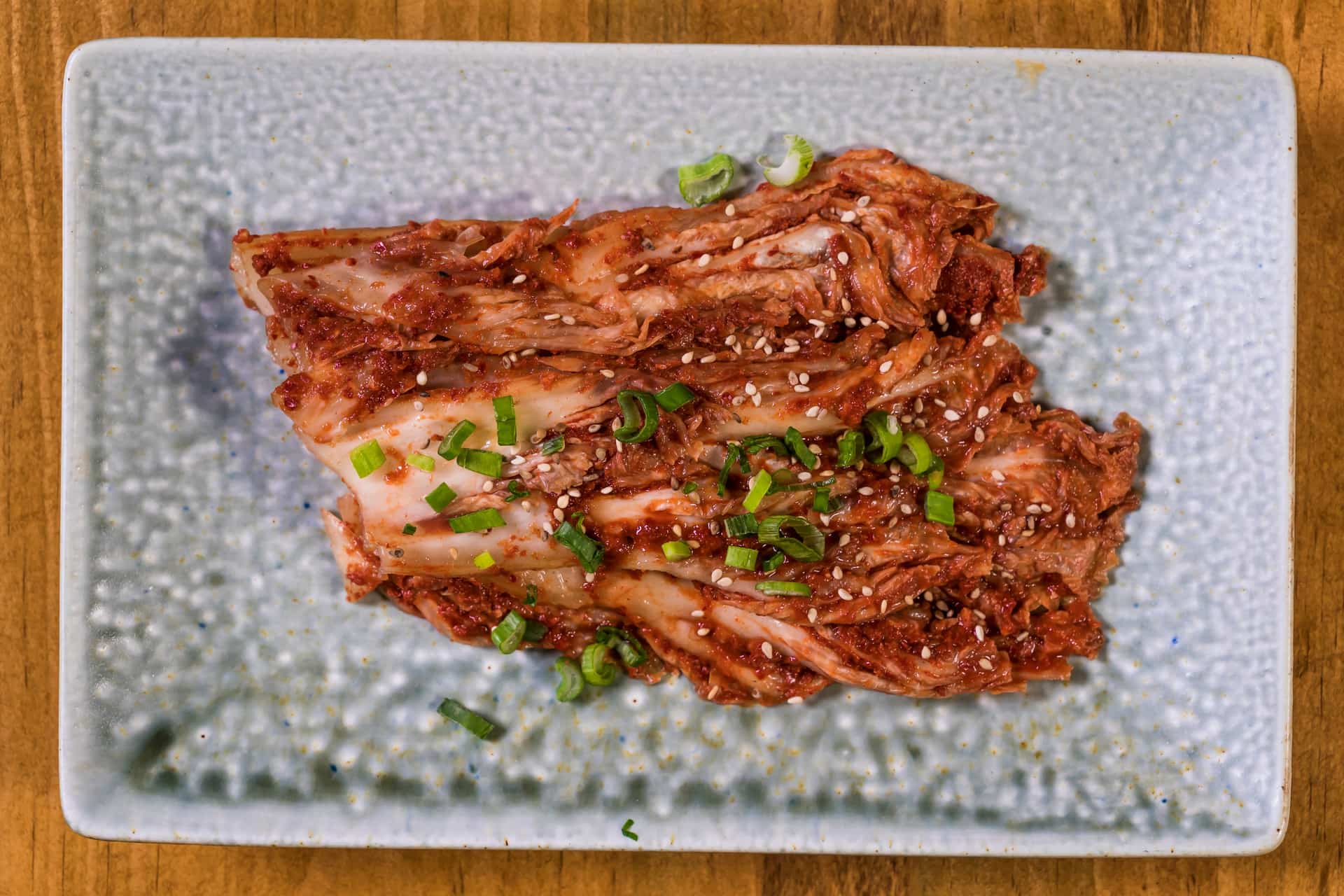
Best Kimchi Containers
Best kimchi containers
Press lids, valves, glass and stainless -- ranked by how well each keeps the cabbage under its own brine.
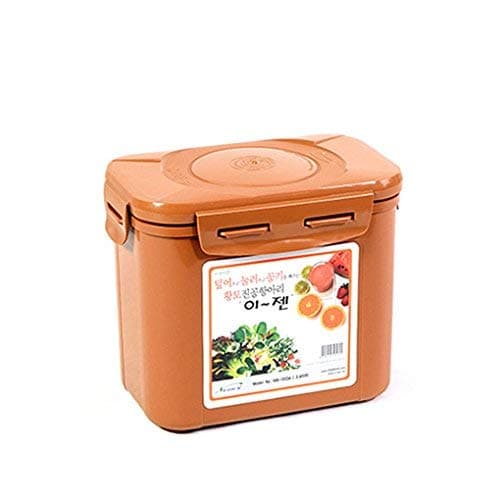
Top pick · E-Jen Premium Kimchi Container with inner press lid
#ad Disclosure · Price as of October 17, 2026
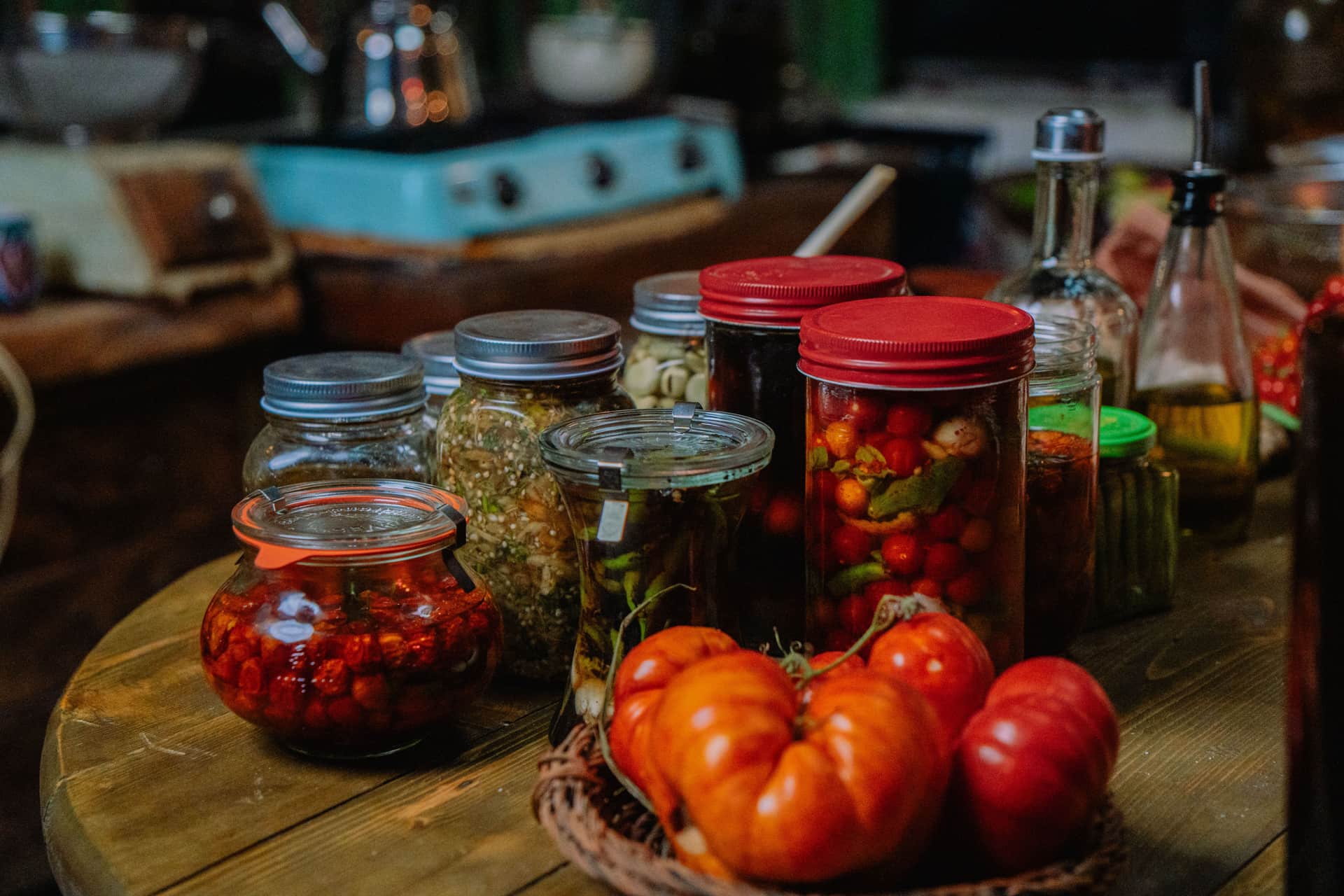
Best Fermenting Jars
Best jars for fermenting vegetables
Wide-mouth glass sized to the batch, and why the jar mouth decides every later purchase.
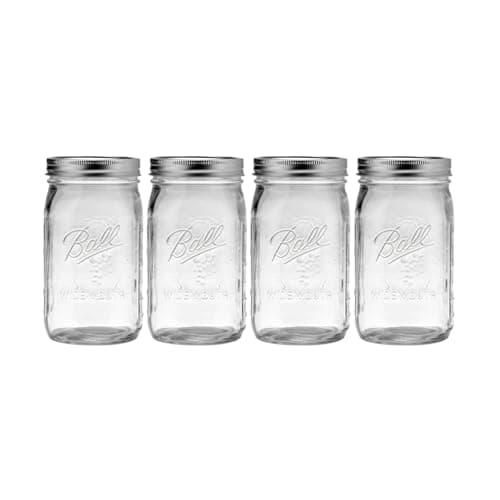
Top pick · Wide-mouth quart mason jar
#ad Disclosure · Price as of October 17, 2026
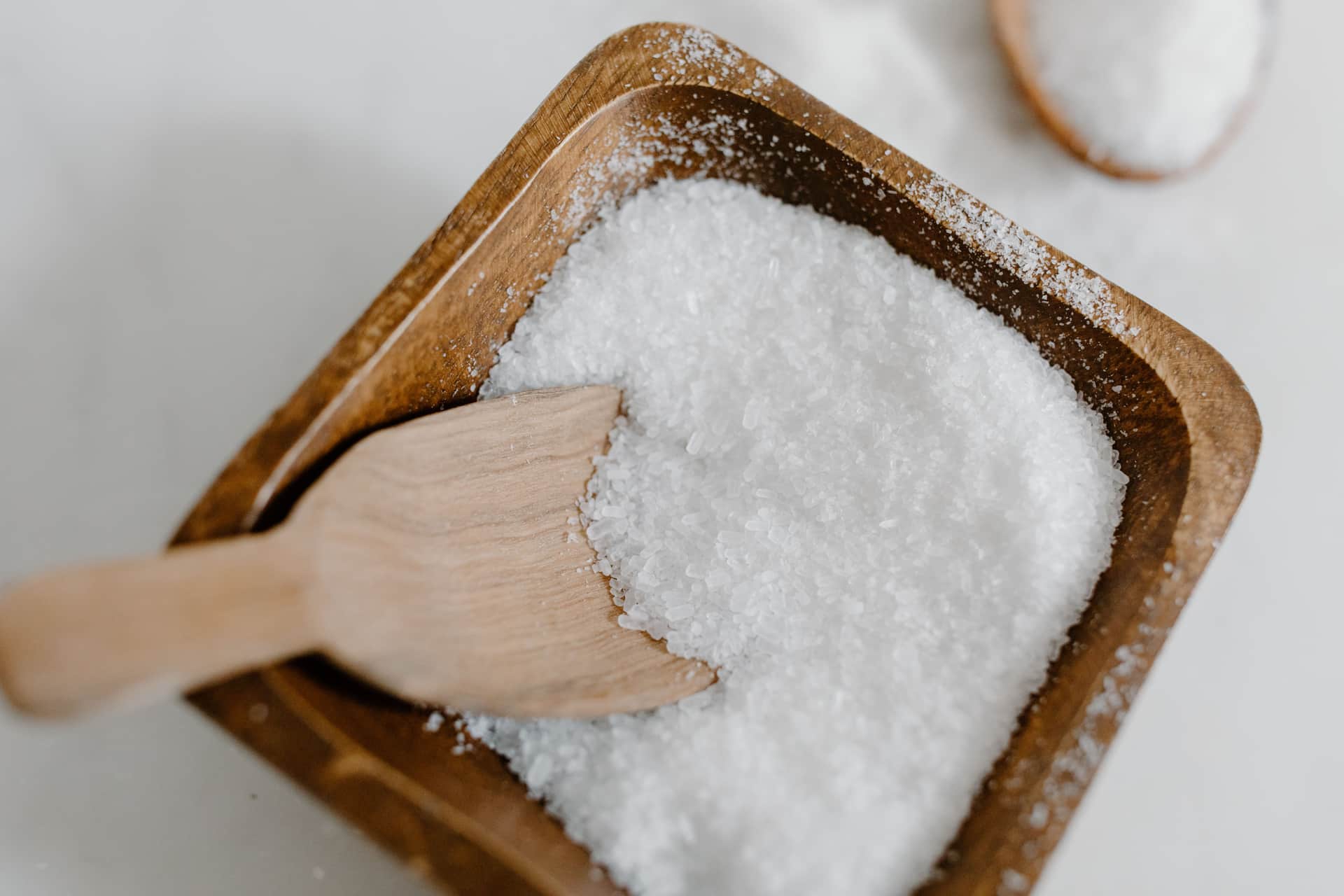
Best Fermenting Salt
Best salt for fermenting vegetables
Iodine, additives and grain size are the whole decision. Which salt to buy, and which to avoid.
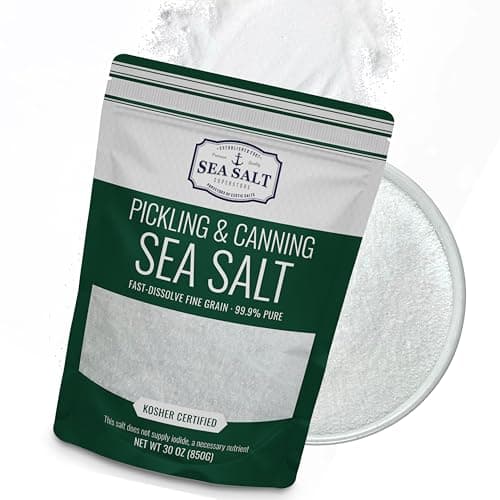
Top pick · Sea Salt Superstore Pickling & Curing Salt, Fine, 30 oz
#ad Disclosure · Price as of October 17, 2026
Best Cabbage Shredder
Best cabbage shredder for sauerkraut
Wooden boards, Japanese mandolines and the packing tamper. Why even thickness matters in a ferment.
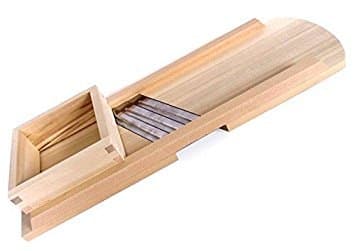
Top pick · K&K Keramik Beech Wood Cabbage Shredder, Standard
#ad Disclosure · Price as of October 17, 2026
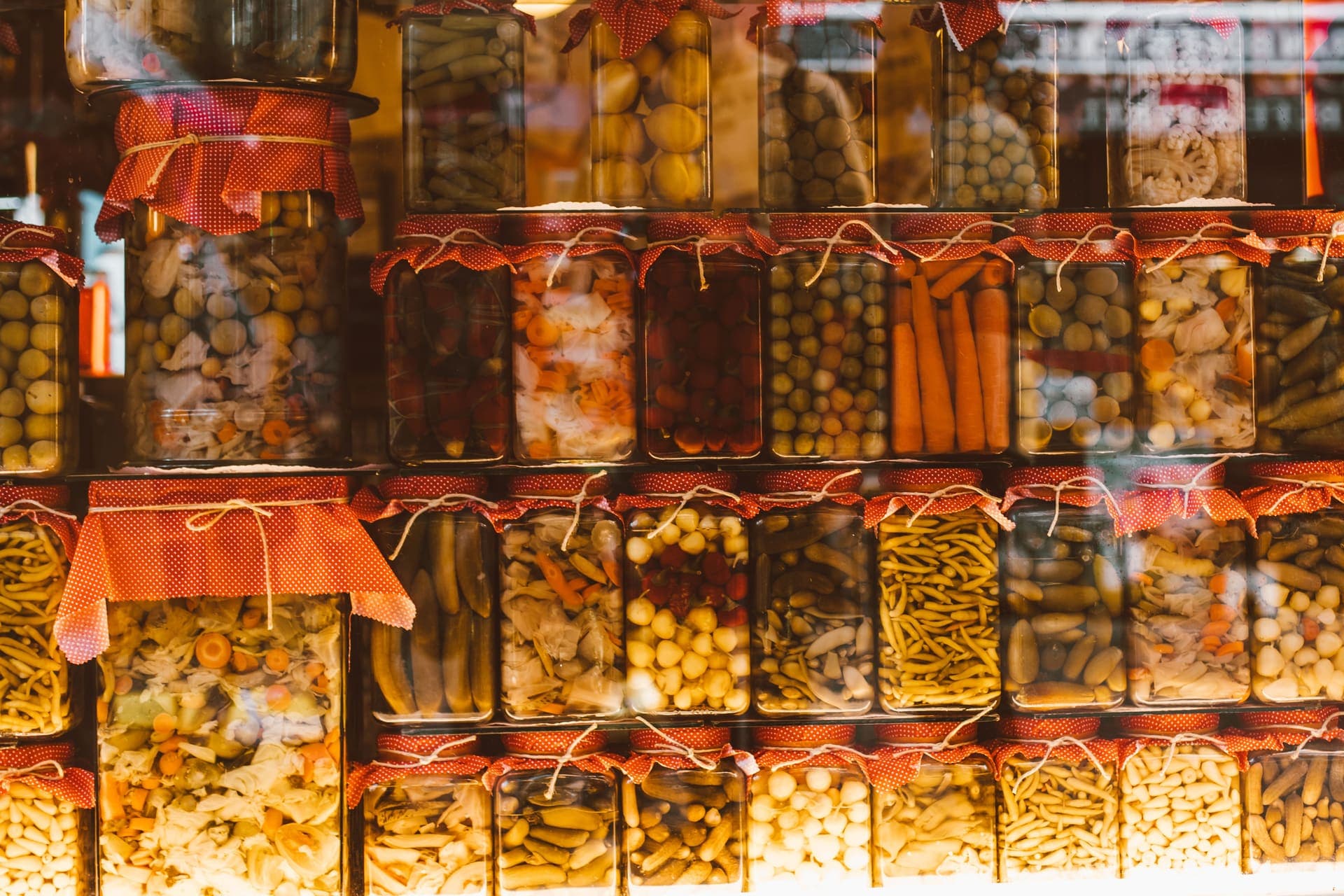
Kimchi Fridge Verdict
Is a kimchi fridge worth it?
A kimchi fridge is cold storage, not a fermenter. What to buy instead, and when the real appliance is justified.
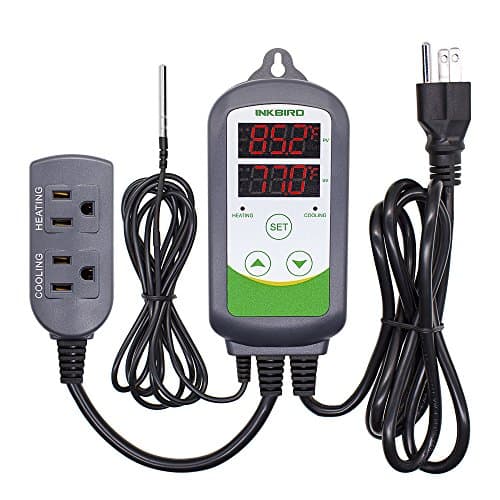
Top pick · Inkbird ITC-308 Digital Temperature Controller
Working it out
Guides and comparisons

Orientation
More about Fermenting Vegetables
How it works, and why that makes it safe
Salt draws water out of the vegetables to make a brine, and at the right concentration it suppresses most organisms while allowing salt-tolerant lactic acid bacteria to establish. Those bacteria produce acid, and as acidity rises the jar becomes progressively hostile to spoilage organisms.
The safety is not incidental — it is the mechanism. Which is why the two things that matter are the two things that drive the mechanism: enough salt, and everything submerged. Get those right and there is very little else to manage. Our fuller treatment, with the food-safety authorities we check, is in is fermenting vegetables safe.
The equipment, which is four things
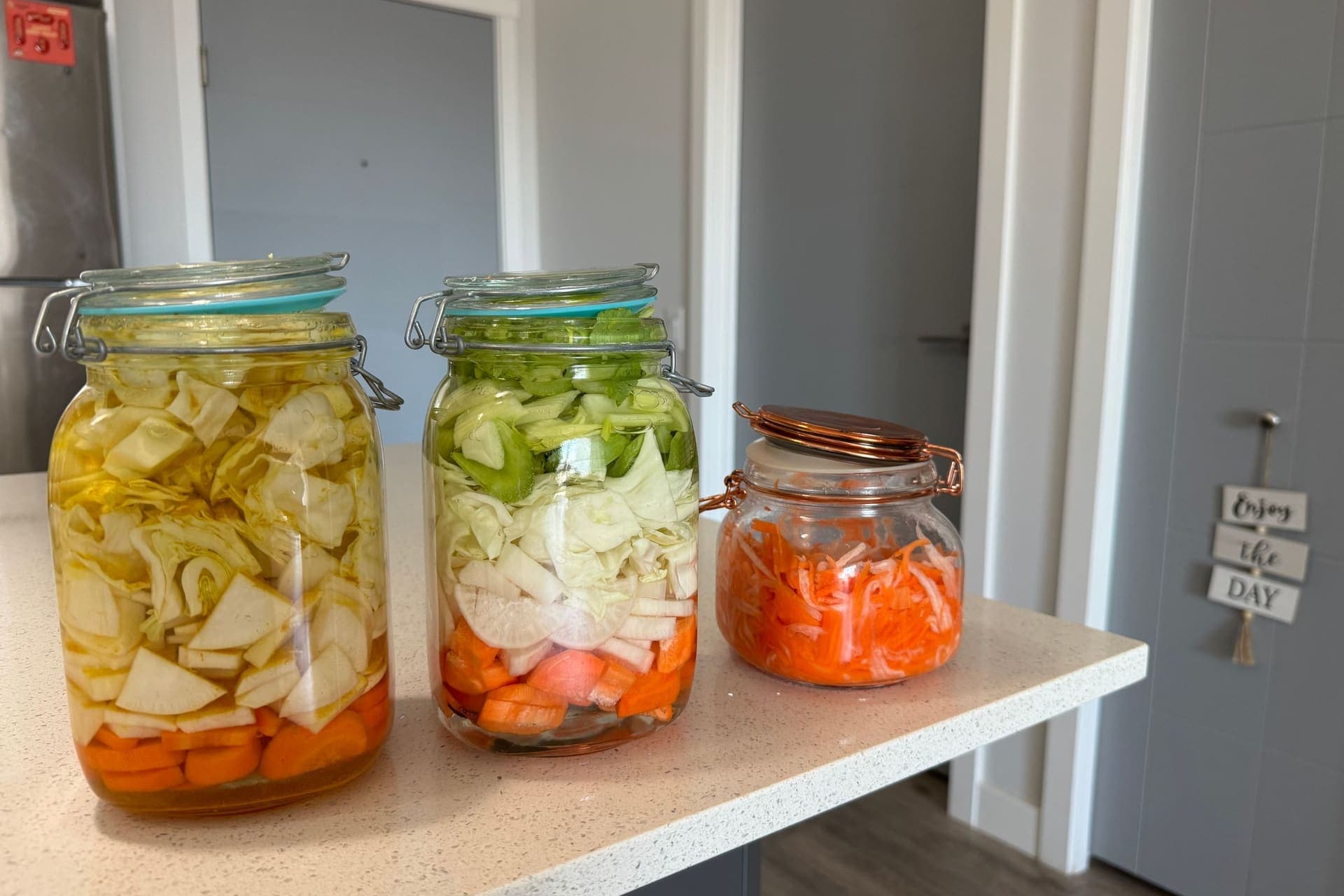
A wide-mouth glass jar. A quart is right for a first batch. Wide-mouth, because every lid and weight in the category is sized to it.
A lid that vents. Fermentation makes carbon dioxide. A sealed jar builds pressure; an open jar lets air in. A silicone one-way valve solves both with nothing to maintain, which is why it heads our lid roundup ahead of the traditional water bubbler.
A weight. The cheapest item here and the one that prevents the most failures, because anything floating above the brine meets air. A folded outer cabbage leaf is the free version and it works — weights, including the free method.
Non-iodized salt. Sea salt or pickling salt. This is the one ingredient worth being fussy about, and it costs almost nothing.
Buy the lid and weight together as a matched kit in the mouth size your jars are. Mismatched mouth sizes are the commonest returned purchase in this entire category.
Fermenting is not pickling
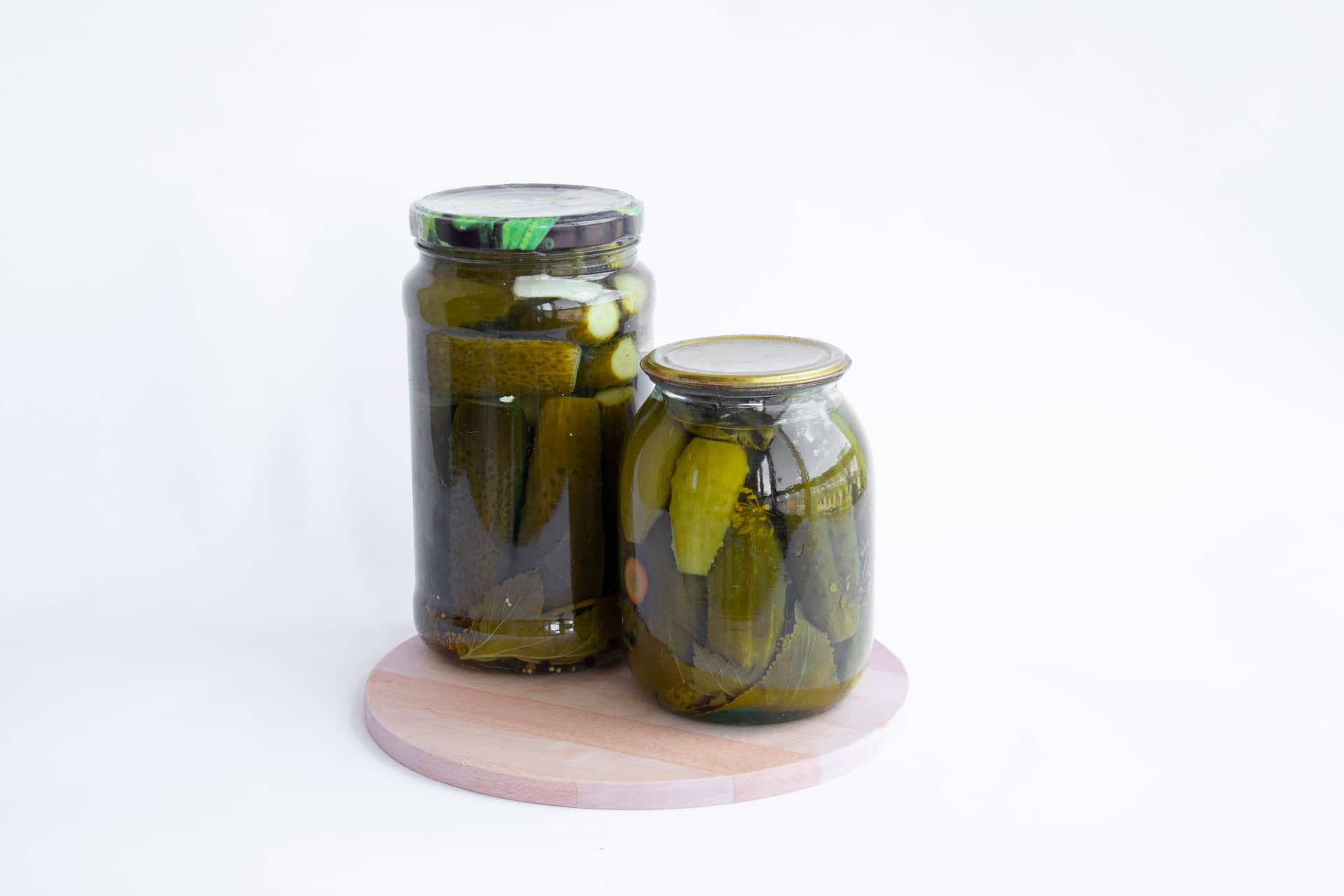
The words get used interchangeably and the processes are completely different. A ferment produces its own acid, from bacteria living in the jar, using salt as the control. A pickle gets its acid from a bottle of vinegar.
The useful test is simply: where did the acid come from? One is alive and develops over days; the other is set at the start and ready in hours. Both are good; adding vinegar to a ferment gives you neither — fermentation versus pickling.
Jars or a crock?
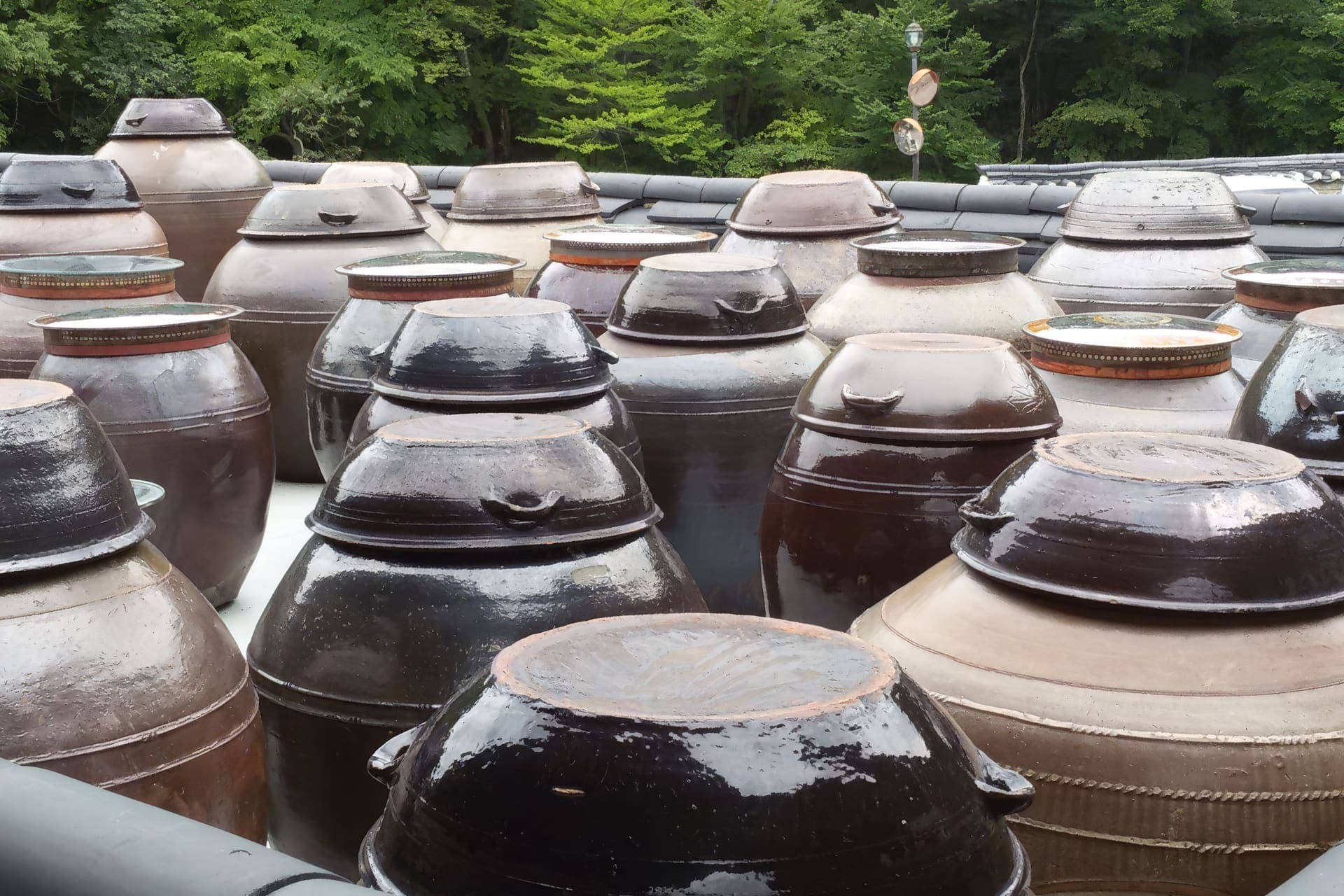
Jars, for a first batch and probably for a long time after. A crock ferments in exactly the same way; what it buys is capacity and the temperature stability that comes from several kilograms of stoneware. What it costs is the ability to run four different ferments at once, which is worth more while you are learning.
The trap is size. A crock has to be filled close to capacity — you cannot half-fill one effectively — so a large crock bought speculatively sits unused. And five liters of finished sauerkraut needs five liters of fridge space for weeks, which is the constraint that actually stops people. See crock versus mason jar and what size crock you need.
What normal looks like
Bubbling in the first days. Brine that turns cloudy. A clean sour, vinegary smell. Vegetables that dull in color and turn slightly translucent. All of that is the process working.
A thin flat white film is usually kahm yeast — unattractive, not dangerous, skim it off and check everything is submerged. Fuzzy growth with texture, raised above the surface and colored, is mold, and that batch goes in the bin. If you are unsure, throw it out; a cabbage is cheap.
Salt is the control in a vegetable ferment rather than a seasoning, and the only properties that matter are iodine, additives and a grain size you can weigh — the salts worth buying are here.
The jars themselves are ranked in best jars for fermenting vegetables, where the mouth size quietly decides every later purchase.
Two things sit outside the jars-and-lids story. Kimchi has its own containers, built around a press lid that follows the batch down as it shrinks — the containers are compared here. And if you have no weight yet, you do not need to buy one today: a cabbage leaf and a small jar work.
If you are deciding what to put in the jar rather than what to buy, kimchi versus sauerkraut is the first question: one is cabbage and salt, the other needs a paste you have to shop for first.
One tool sits before all of that. Cabbage has to be cut evenly for the salt to draw water out of it at the same rate, and then packed hard enough to make its own brine — shredders and tampers are compared here, including when a knife is genuinely enough.
Two questions come up once the jars are familiar, and both have cheaper answers than they look. The vessel question — whether breathable Korean earthenware beats a water-sealed crock — now has a measured answer, and onggi versus a fermentation crock goes through the 2023 study that produced it. The appliance question is whether a kimchi fridge is worth it, and the short answer is no: vegetables ferment at 70 to 75F and a kimchi fridge’s published range is 33 to 37F, so the thing you actually want costs about thirty dollars rather than eleven hundred.
Every page in this section · Best fermentation kits · Best fermentation crocks · Best fermentation lids for mason jars · Best fermentation weights · Fermentation vs pickling · Crock or mason jar? · Is fermenting vegetables safe? · How to make sauerkraut in a mason jar · What size fermentation crock do you need? · Best kimchi containers · What to use instead of a fermentation weight · Best jars for fermenting vegetables · Best salt for fermenting vegetables · Best cabbage shredder for sauerkraut · Kimchi vs sauerkraut · Is a kimchi fridge worth it? · Onggi vs a fermentation crock