Hub 05
Kombucha, kefir and yogurt: what a first brew needs
Drinks ferment faster than vegetables and go wrong more visibly. That makes them a good first project — or a discouraging one.
Kombucha, kefir and yogurt are all fermented with a live culture you keep, and all three go faster than sourdough. Kefir turns around in about a day, yogurt overnight, kombucha in one to three weeks.
They also fail more visibly than bread does, which makes them a good first project — or a discouraging one, depending on whether you know what normal looks like.

What to buy
The picks in this section
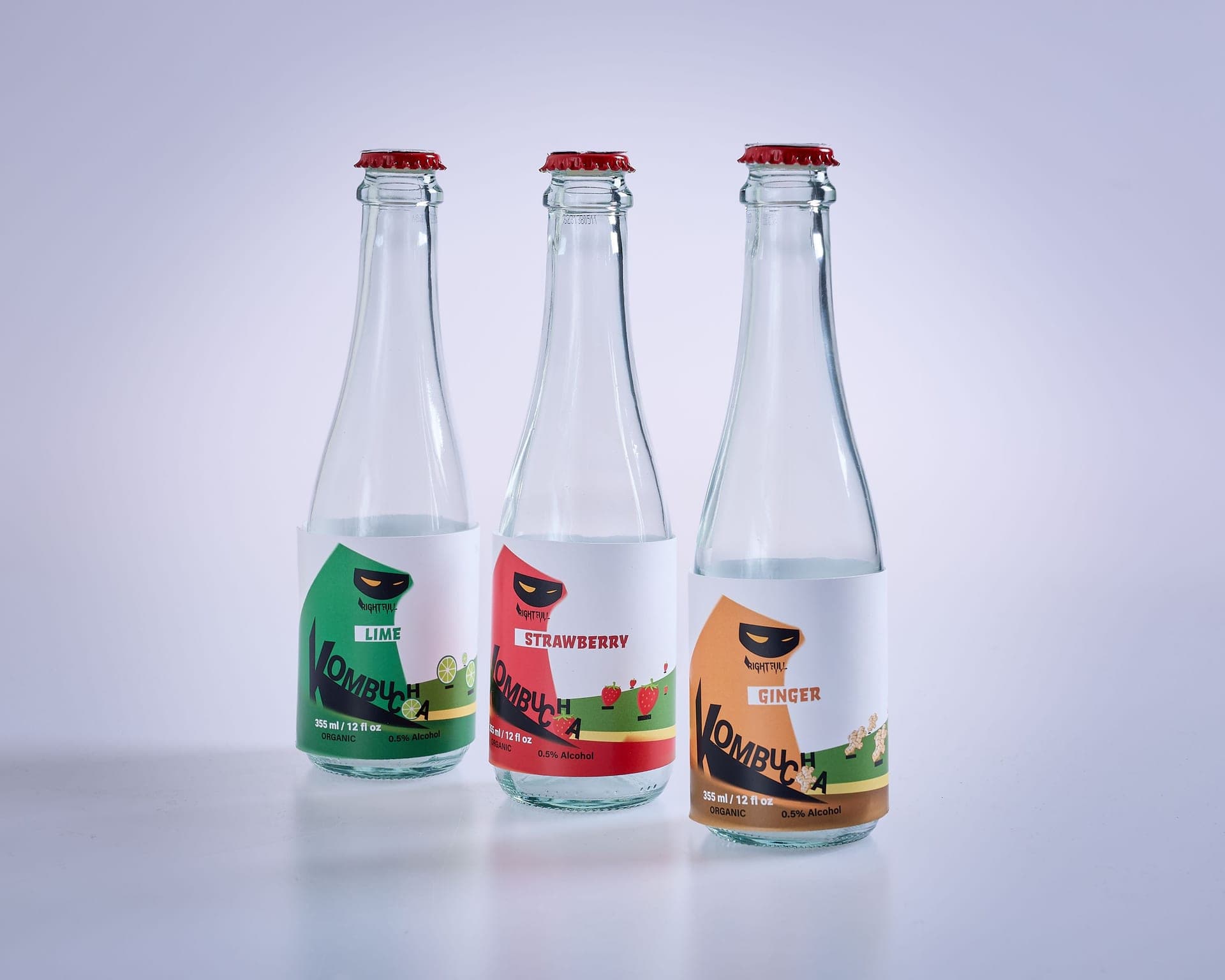
Best Kombucha Kits
Best kombucha starter kits
The culture is the product. Everything else in the box you could buy in a supermarket.
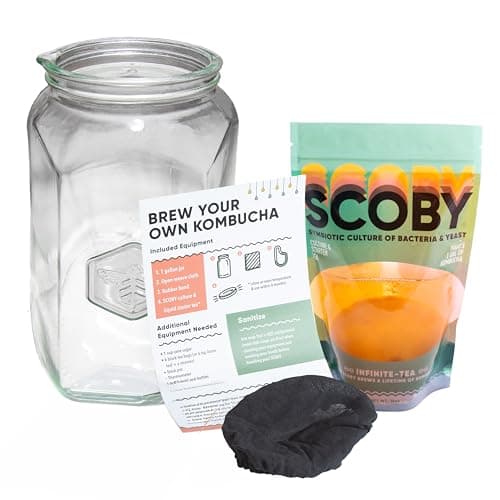
Top pick · Craft A Brew kombucha kit
#ad Disclosure · Price as of October 17, 2026
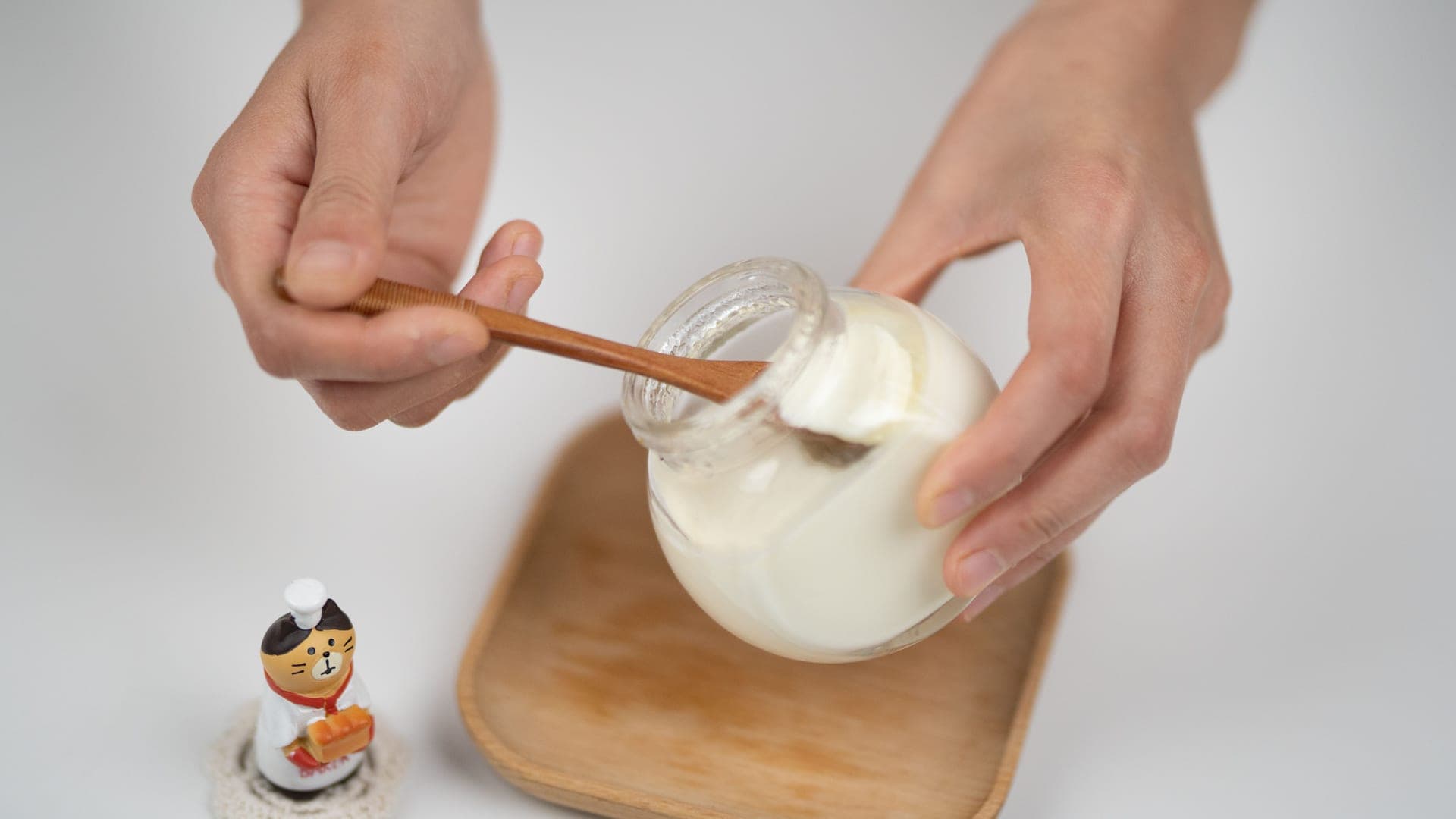
Best Yogurt Makers
Best yogurt makers
One temperature, held for hours. Including the machine you may already own.
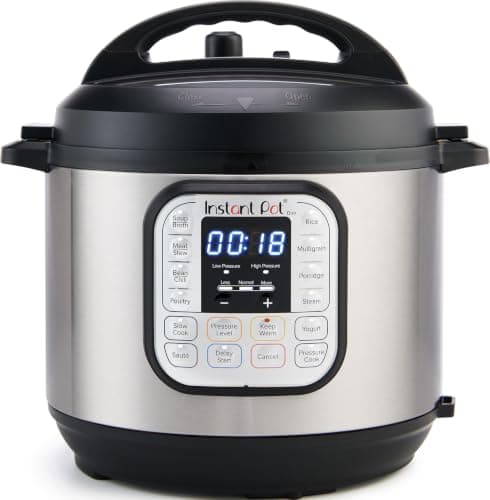
Top pick · Instant Pot Duo 6-Quart, which has the yogurt function
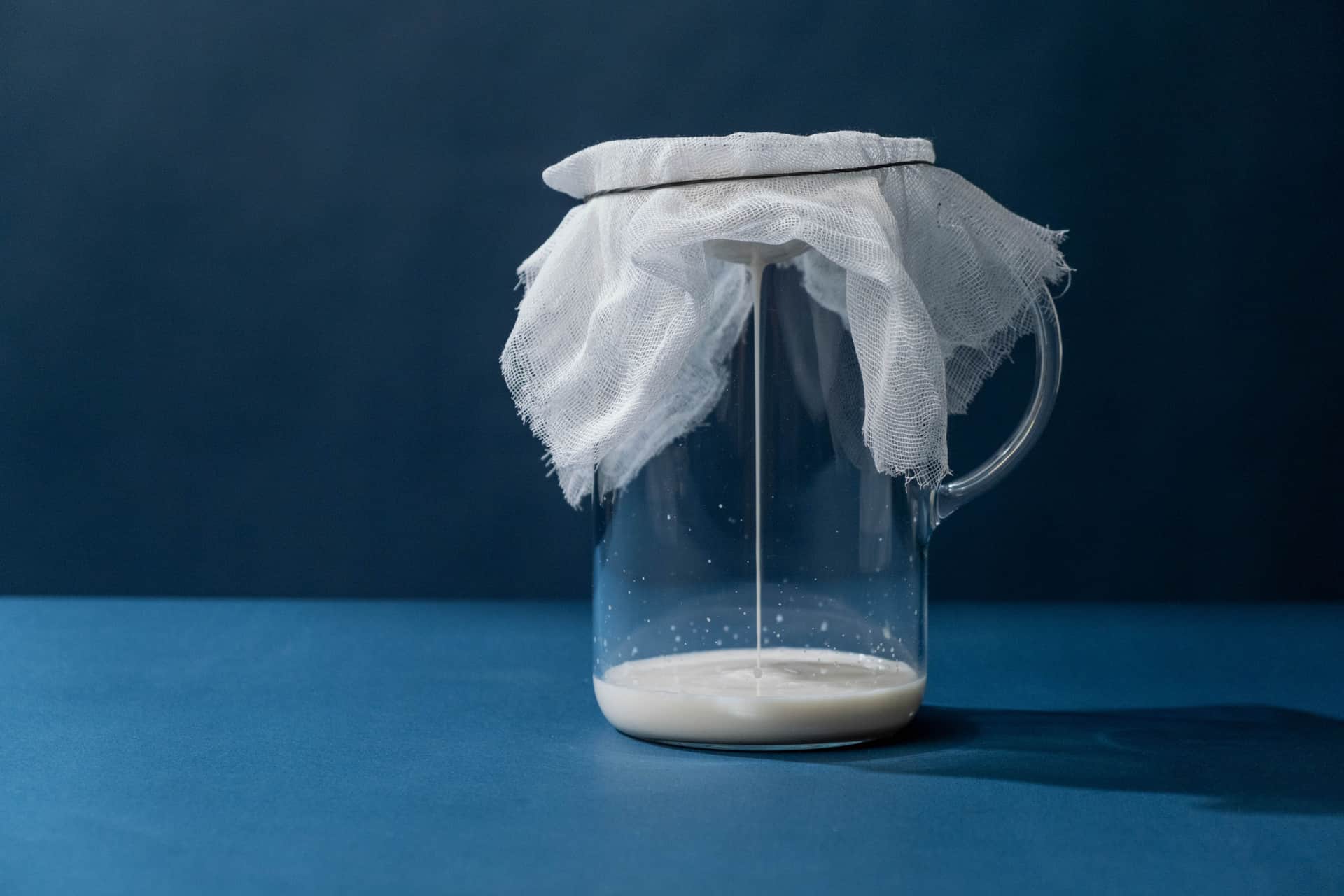
Best Kefir Starters
Best kefir starter kits
Grains or powder, milk or water -- which kefir culture to buy first and what it commits you to.
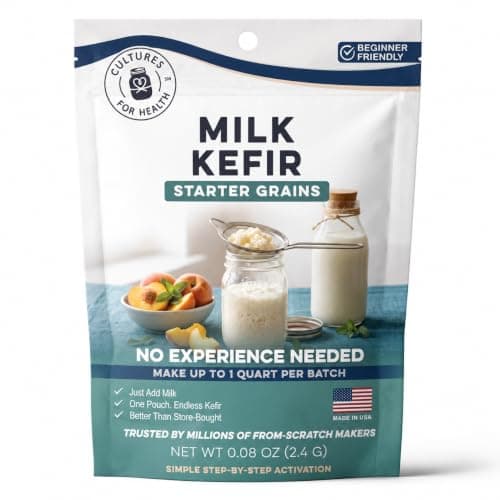
Top pick · Cultures for Health Milk Kefir Grains (dehydrated)
#ad Disclosure · Price as of October 17, 2026
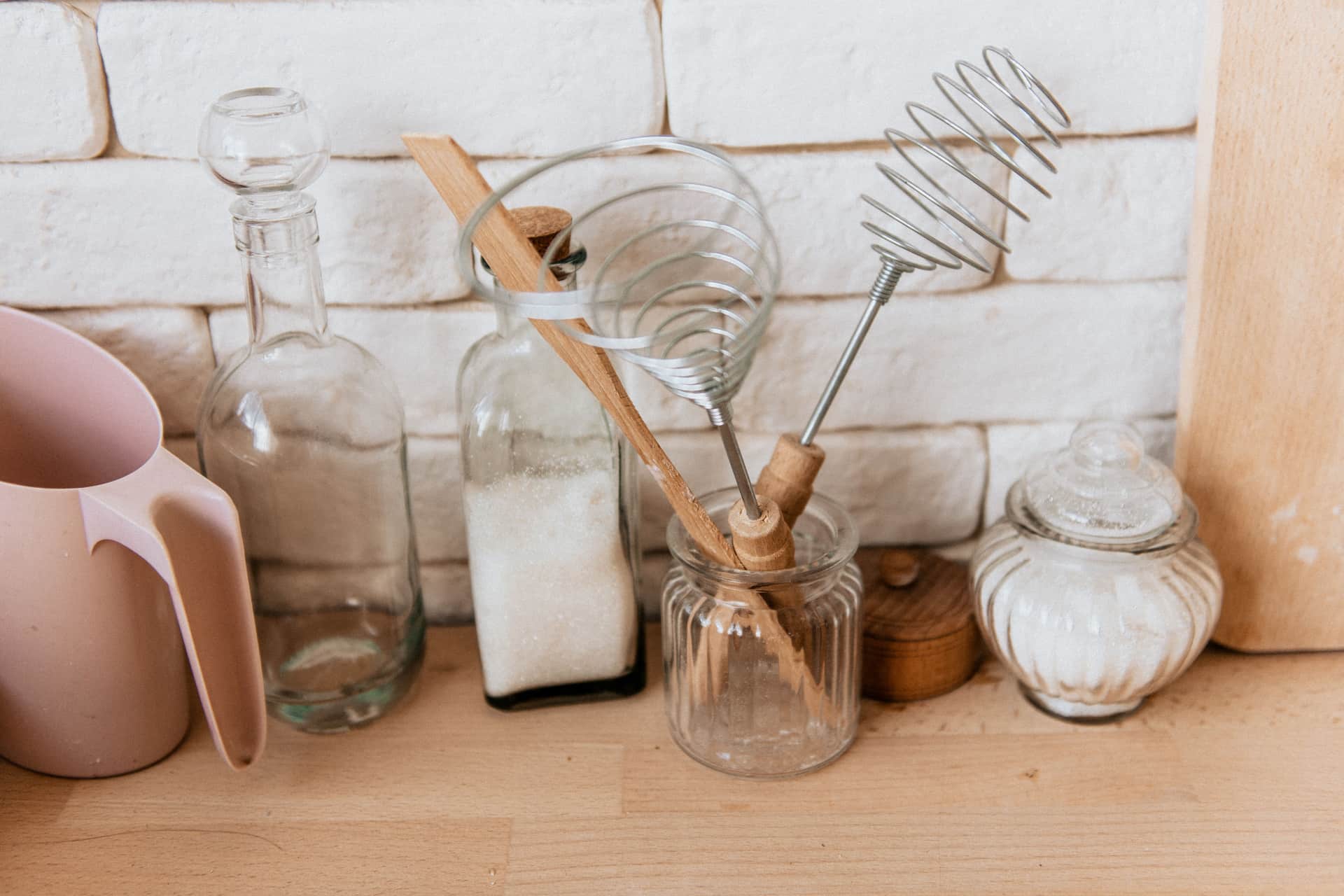
Best Brewing Jars
Best kombucha brewing jars
Wide-mouth glass by the gallon, with or without a tap. What to brew in and what to avoid.
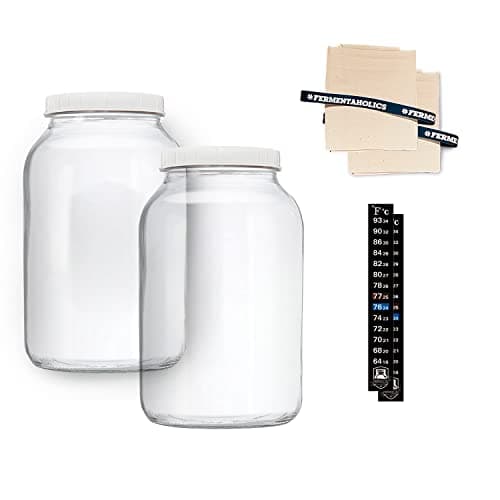
Top pick · Fermentaholics 1-Gallon Kombucha Jars with Muslin Covers, 2-Pack
#ad Disclosure · Price as of October 17, 2026
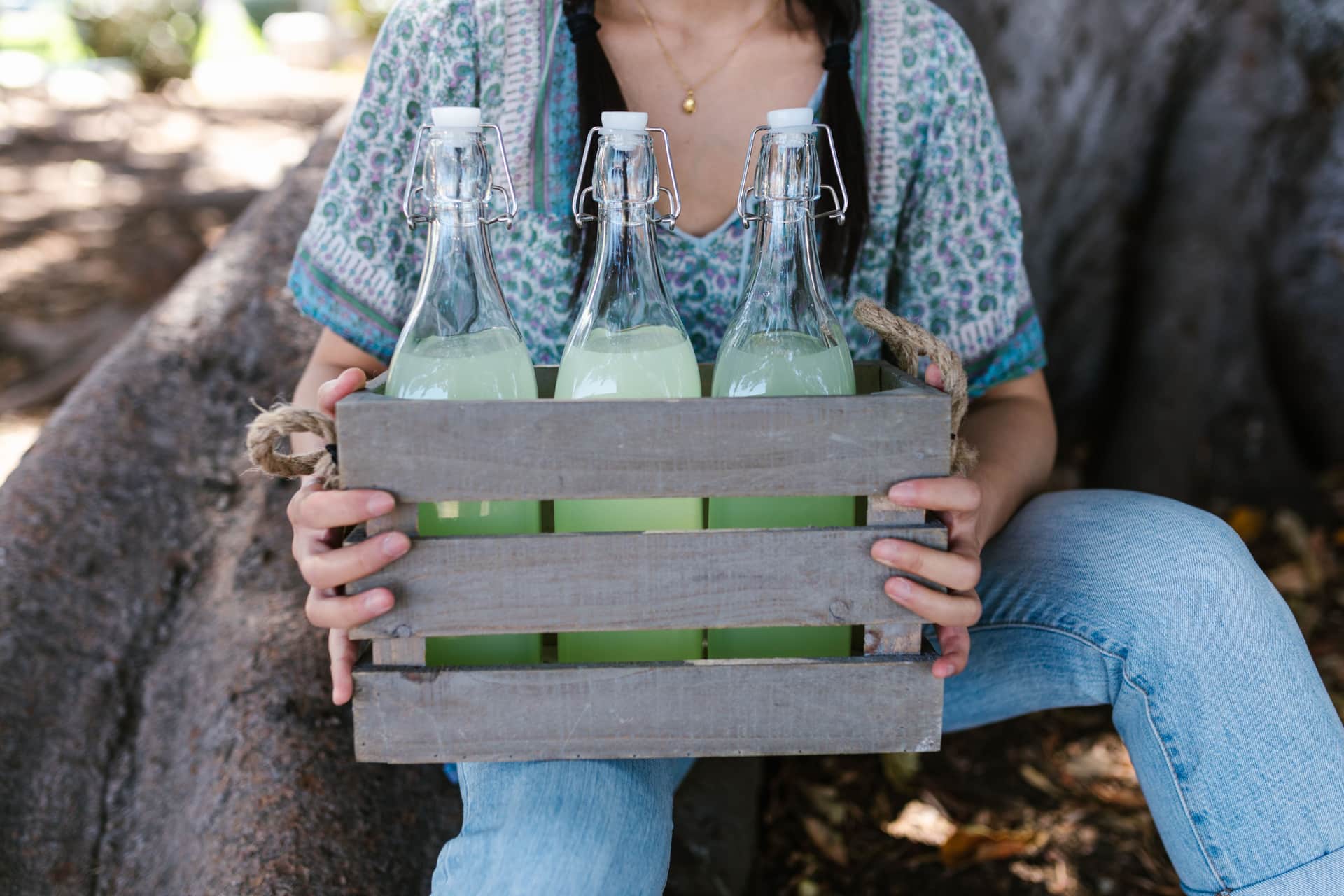
Best Bottles
Best bottles for kombucha
Swing-top glass built for pressure, sized to a gallon batch -- and what not to bottle in.
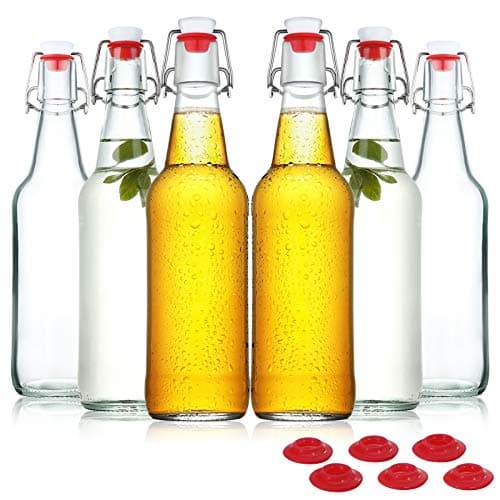
Top pick · YEBODA 16 oz Swing-Top Glass Bottles, 6-pack
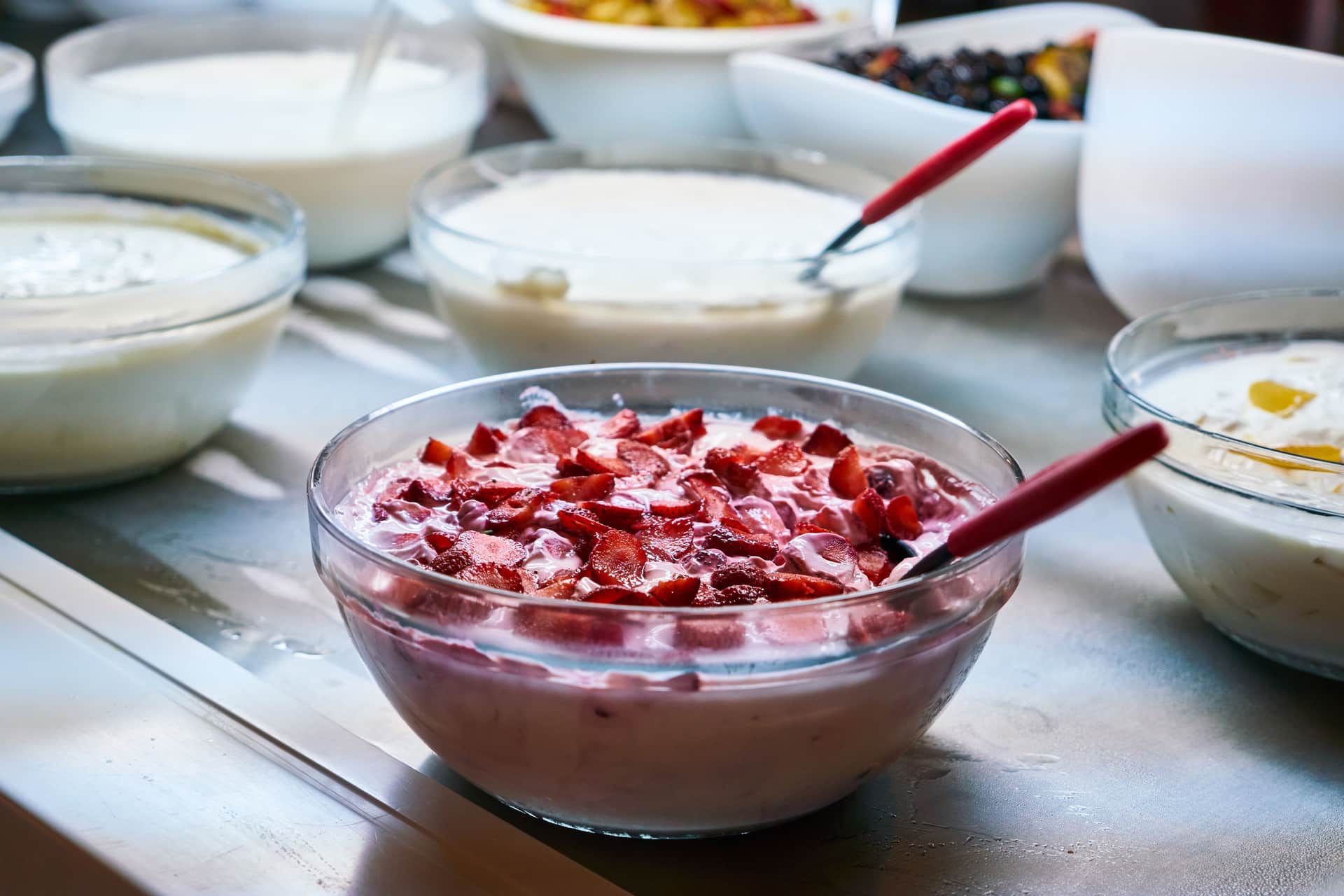
Best For Greek Yogurt
Best yogurt maker for Greek yogurt
The strainer does the work, not the machine. Which combination to buy, and the cheapest route.
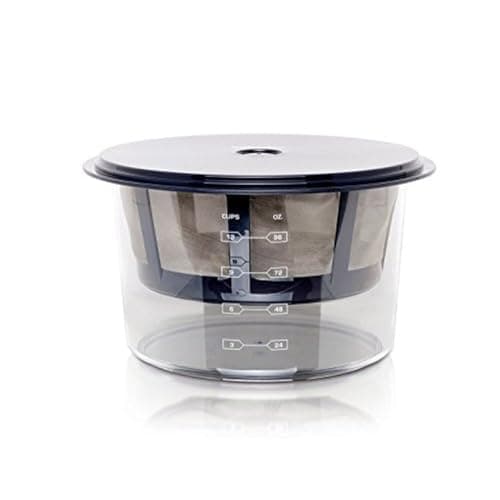
Top pick · Euro Cuisine GY60 Greek Yogurt Maker
#ad Disclosure · Price as of October 17, 2026
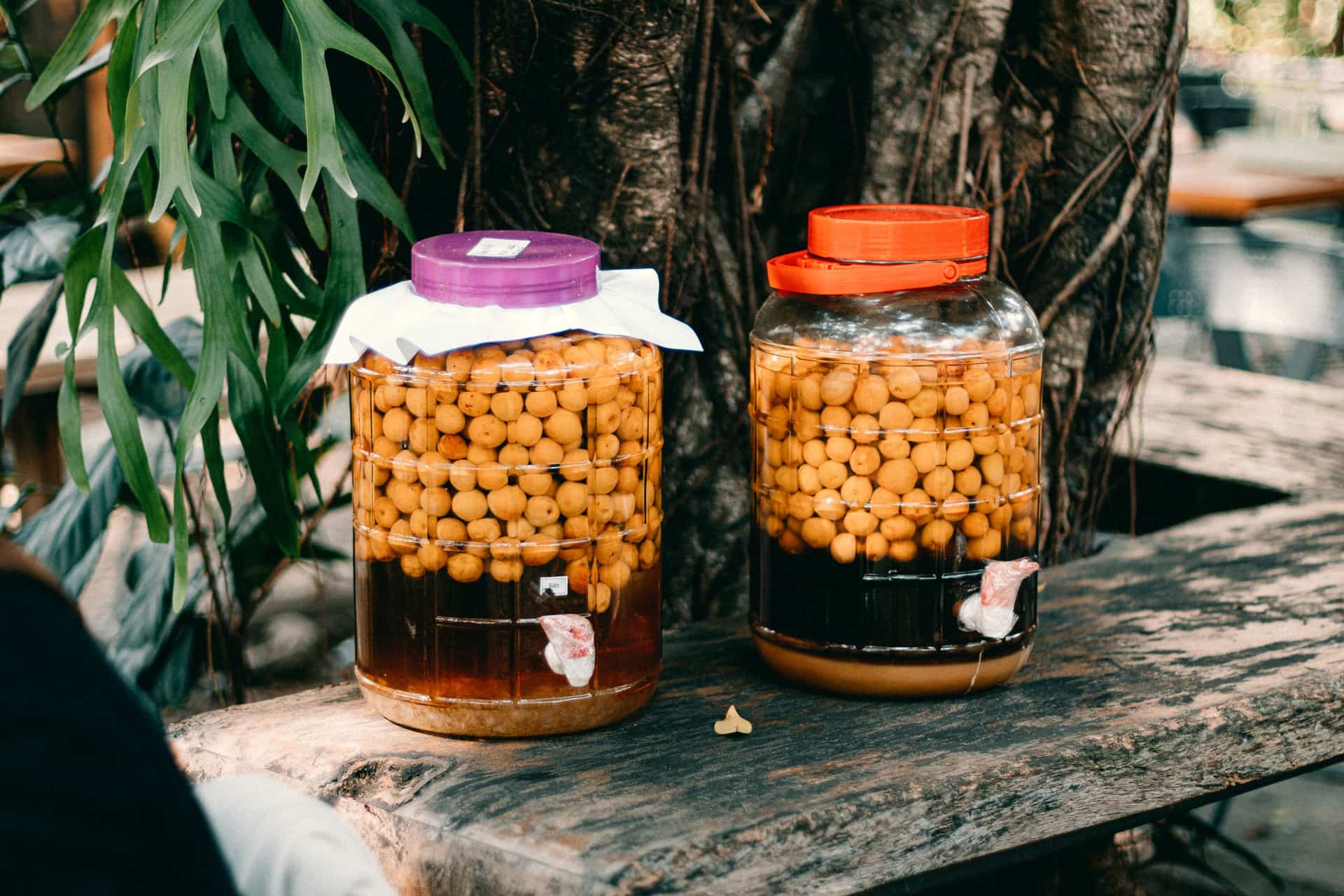
Best Water Kefir Grains
Best water kefir grains
Live, dried, dormant or powder. What each form costs in waiting time, and the suppliers worth buying from.
Top pick · Yemoos Dried Water Kefir Grains, 1 Tablespoon
#ad Disclosure · Price as of October 17, 2026
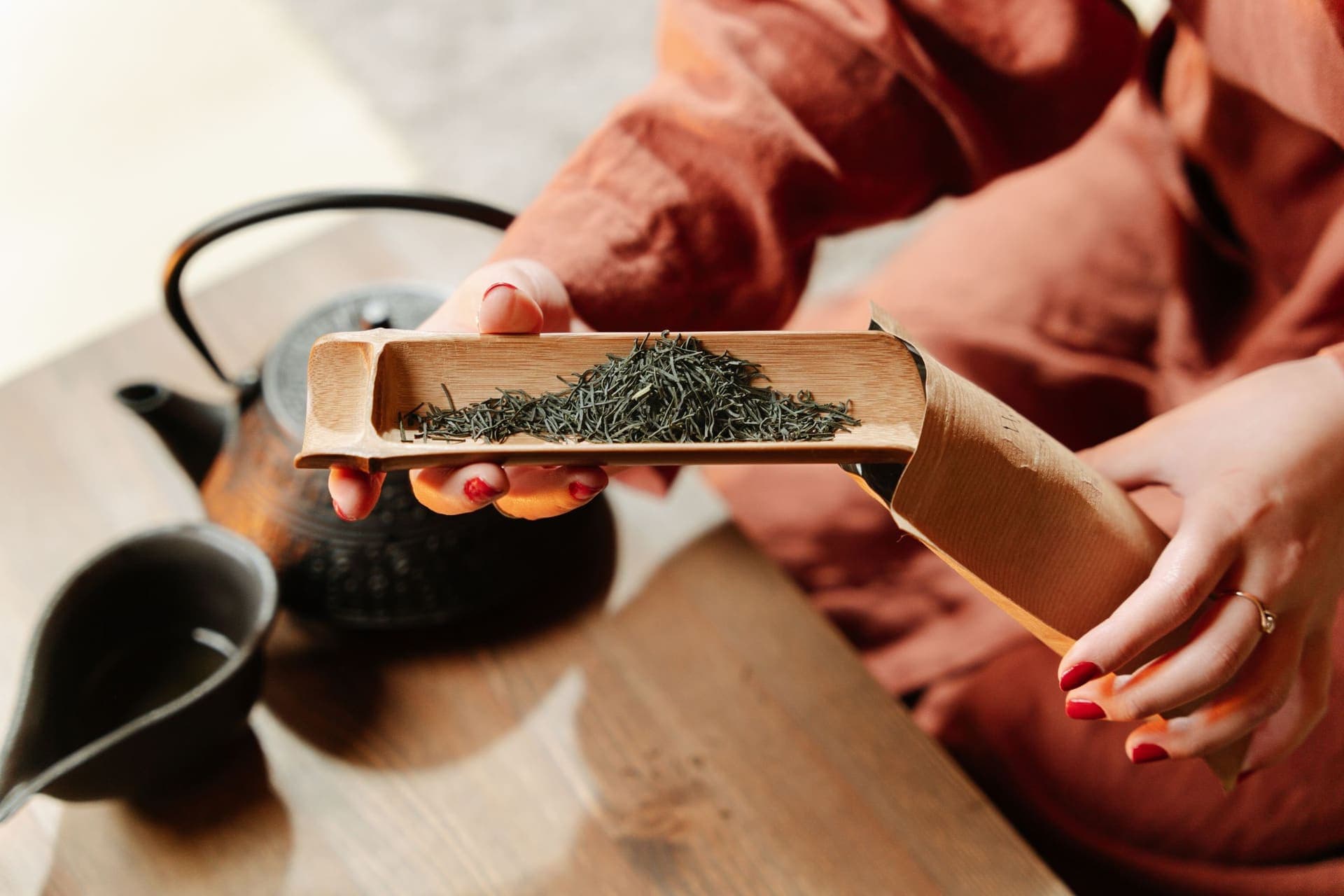
Best Kombucha Tea
Best tea for kombucha
Why oils and herbals break a brew, black versus green, and the loose leaf worth buying.
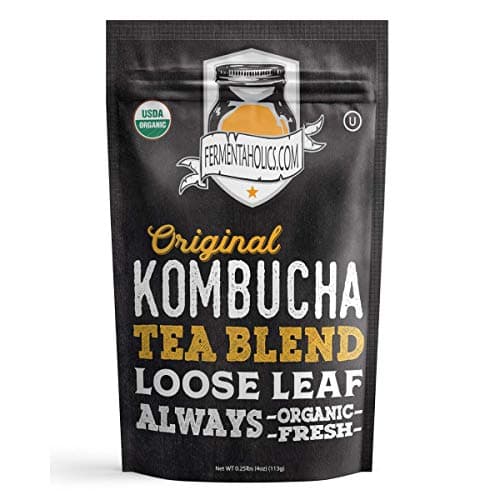
Top pick · Fermentaholics Organic Kombucha Tea Blend, Loose Leaf
#ad Disclosure · Price as of October 17, 2026
Sous Vide for Yogurt
Can you use a sous vide for yogurt?
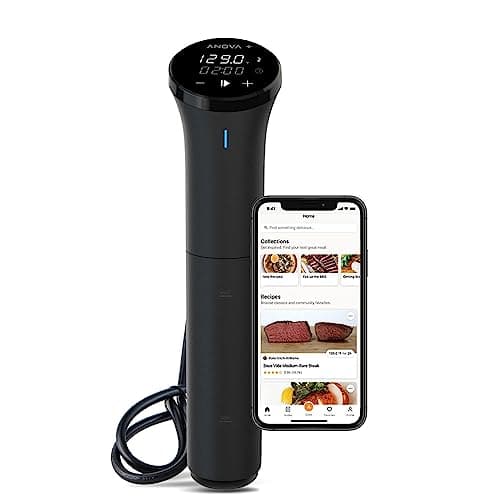
A circulator holds 110F to a published tolerance, which no yogurt maker does. The honest trade-offs.
Top pick · Anova Precision Cooker Nano 3.0
Working it out
Guides and comparisons
Orientation
More about Kombucha, Kefir & Yogurt
Which one to start with
Kefir, if you have not decided. It ferments in about 24 hours at room temperature in a jar you already own, and the grains multiply — so you buy the culture once and then have more than you need forever. The feedback loop is a day long, which means a mistake costs a day.
Kombucha, if kombucha is what you actually want. It takes one to three weeks per batch and needs bottles for the fizz. Nobody has to be persuaded to want kombucha, and kefir is thicker and tangier than someone reaching for a kombucha kit has in mind. The comparison in full is in kombucha versus kefir.
Yogurt if you already own an Instant Pot with a Yogurt button, because then the appliance question is already answered.
The one rule that surprises people coming from sauerkraut
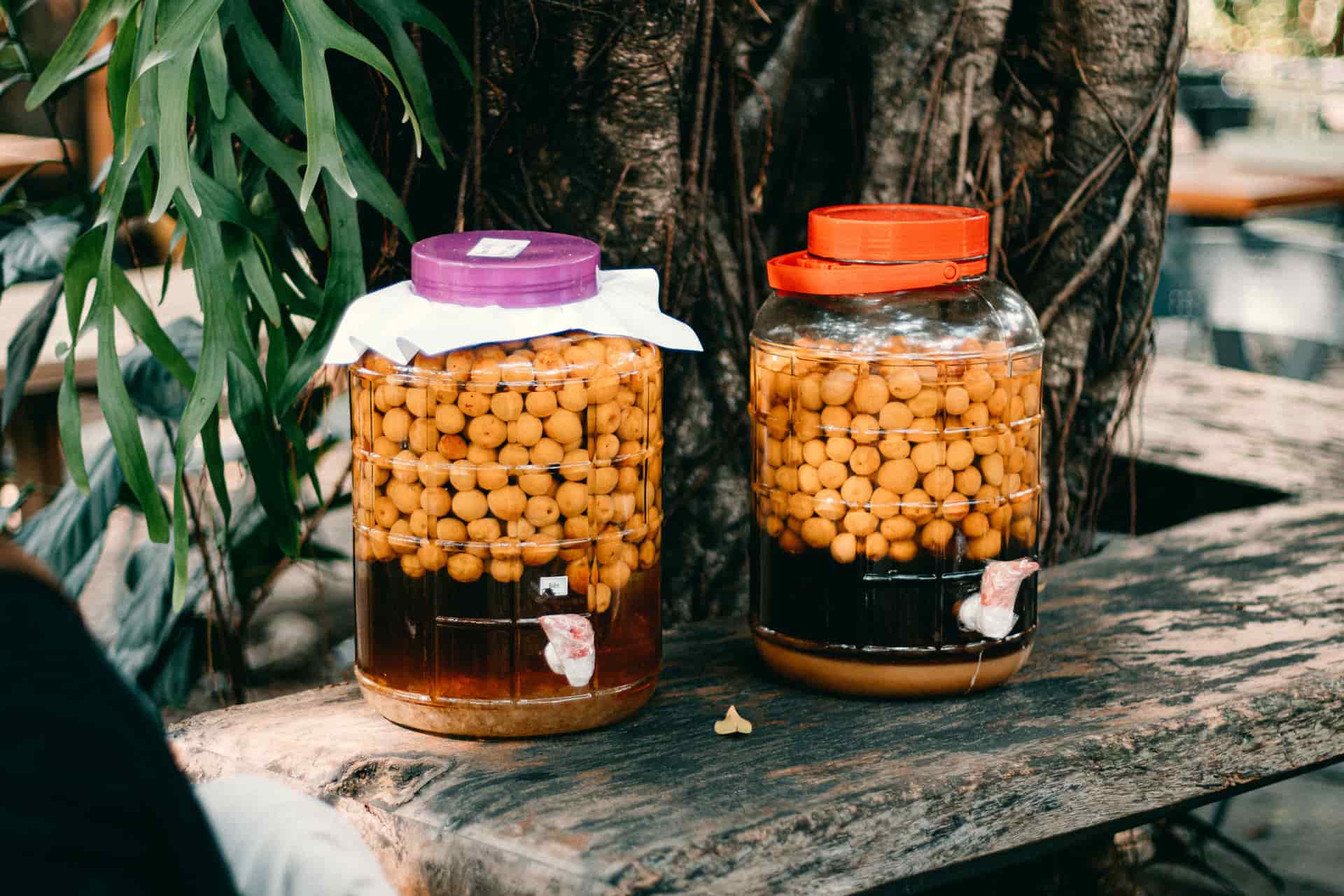
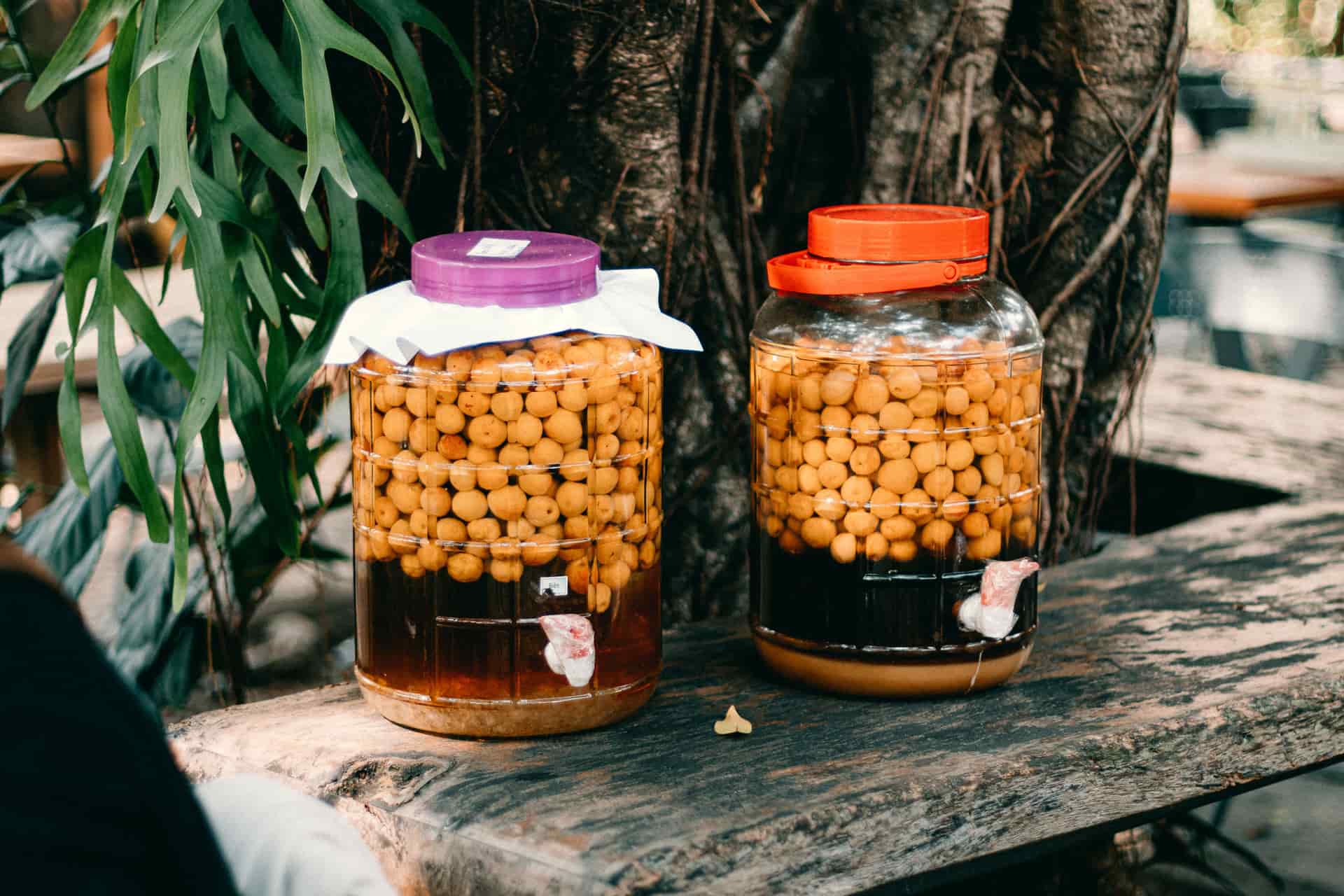
Kombucha needs air. The bacteria that convert alcohol to acid are aerobic, so the vessel is covered with a breathable cloth rather than sealed with an airlock. This is the opposite of vegetable fermenting, and fitting a one-way valve to a kombucha jar is a common and understandable mistake.
Use a tightly woven cloth. Cheesecloth is often too open for fruit flies, which are genuinely drawn to a fermenting jar.
What a kombucha kit is actually selling you
A live SCOBY and starter liquid. The jar, the tea, the sugar and the cloth are all things you can buy in a supermarket — the culture is the part that is awkward to source, and the starter liquid matters at least as much as the mat itself, because it makes the new batch acidic from the start.
If you already own a large glass jar, buying the culture on its own is the honest cheap route. Our kit roundup leads with a smaller batch size than most, because a gallon is a lot of kombucha to commit to before you know whether you like it. And if a friend brews, ask — they almost certainly have spare cultures and want rid of them.
The bottles are not optional
This is the single most common first-batch disappointment. The first ferment happens in an open cloth-covered jar, so the carbon dioxide escapes and the result is sour and flat. Carbonation happens in a second ferment, in sealed bottles, over a few days.
Buy swing-top glass bottles with the kit. And treat them carefully: pressure builds fast in a warm room, a forgotten bottle is a genuine hazard, and the same applies to a bulging jar of kimchi. Burp them, refrigerate once carbonated, and open anything swollen slowly over a sink.
Do you need a yogurt maker?
A yogurt maker is a heated box that holds one temperature for hours. That is the entire function, which is why an oven with the light on, a vacuum flask, or a multi-cooker with a Yogurt function all do the same job.
The one feature that genuinely changes what a machine can make is an adjustable thermostat, because different cultures want different temperatures. Everything else is convenience. See best yogurt makers and yogurt maker versus Instant Pot.
What we do not write about here
Health claims. Several sites in this category lead with gut-health and probiotic benefits and cite nothing at all. We hold no credential that would make such a claim worth anything, so we make none — this section is about equipment, process, and telling a healthy culture from a spoiled one.
Kombucha splits into two purchases people usually get wrong in the same way: the brewing vessel, which must breathe, and the bottles, which must hold pressure. Those are best kombucha brewing jars and best bottles for kombucha. And if what you actually want is thick Greek yogurt, the strainer matters more than the machine — we explain why here.
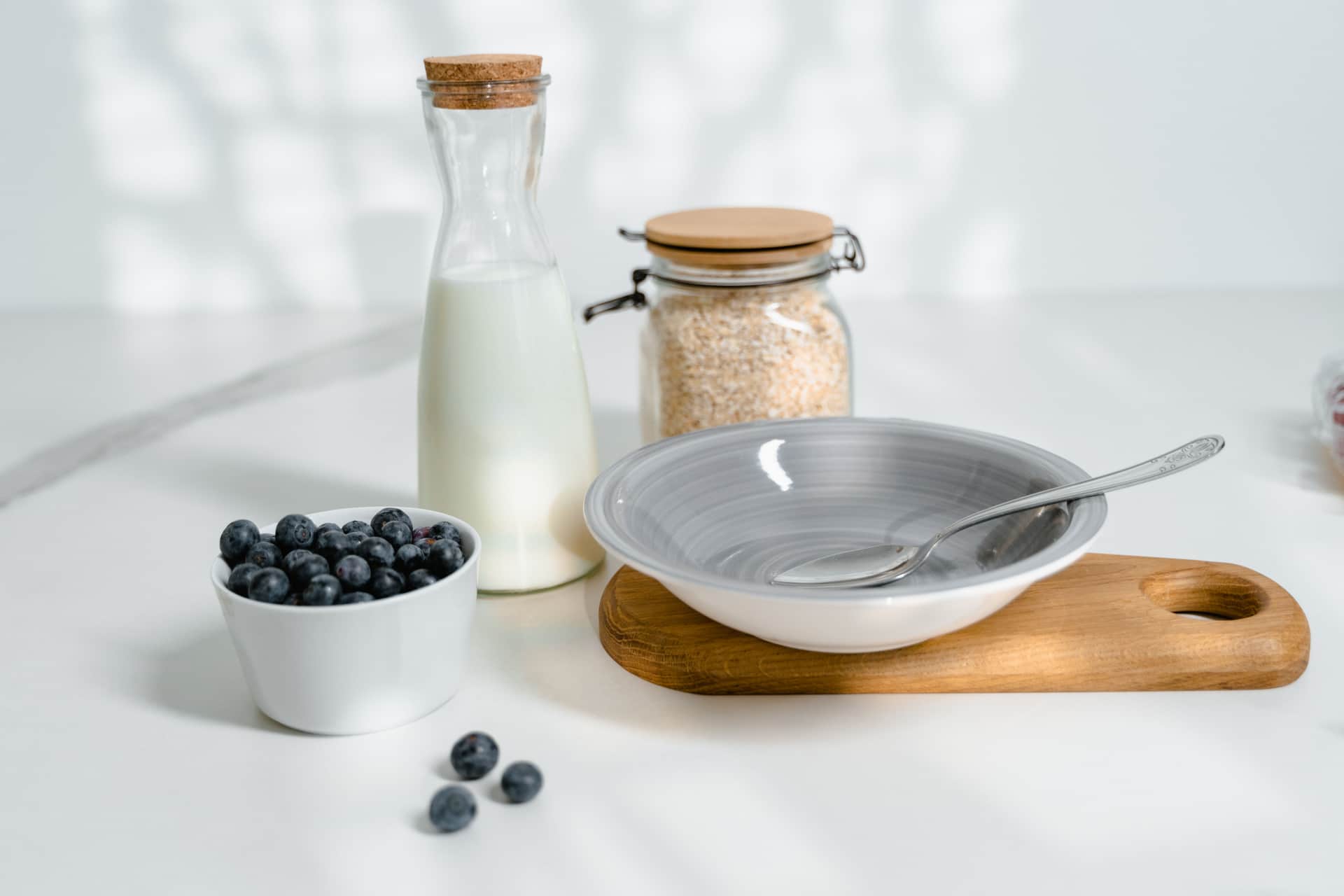
If you want the fastest possible first result, kefir beats kombucha on every measure except flavor preference: the cultures are compared in best kefir starter kits, and the whole method fits on one page in how to make milk kefir.
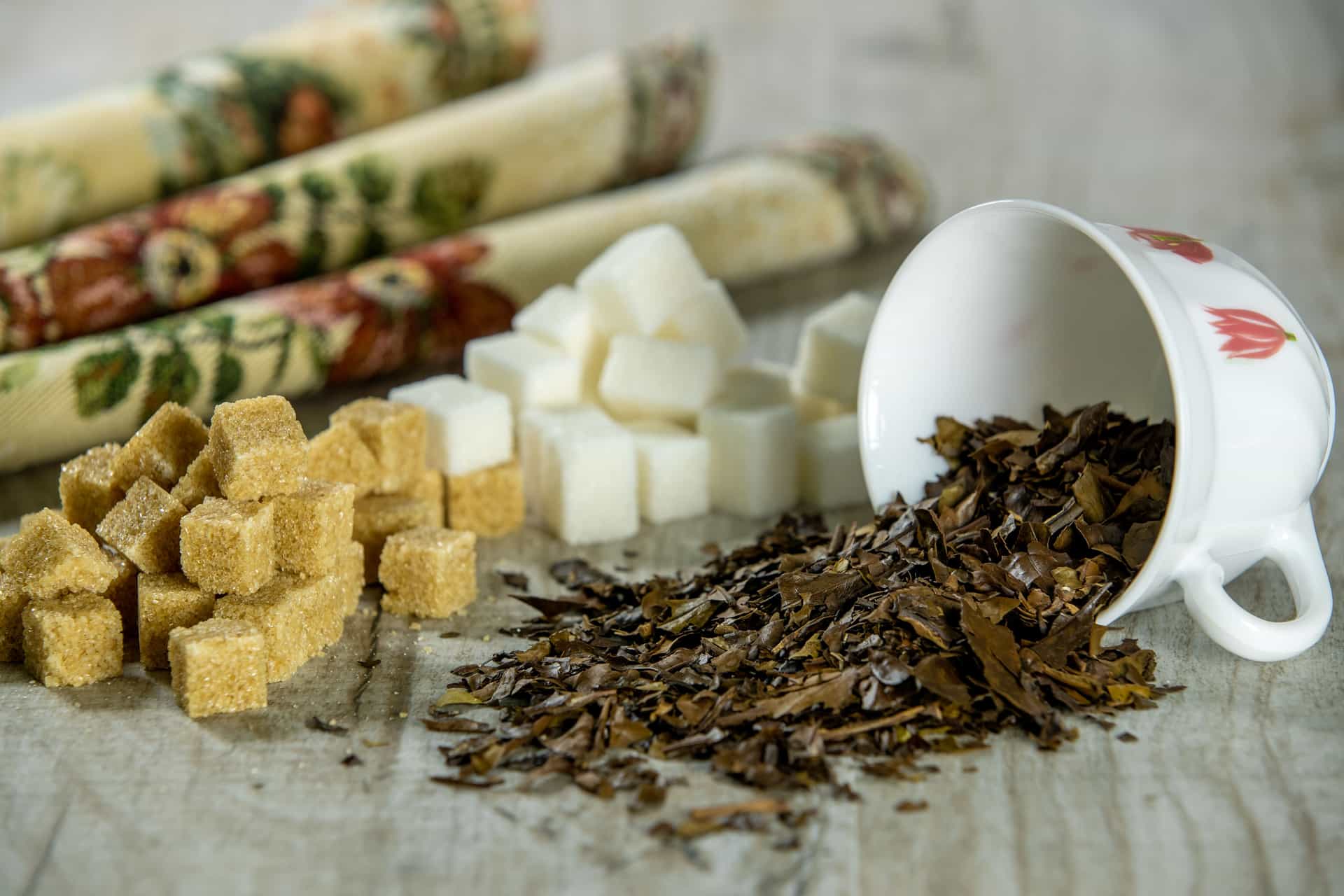
The input people get wrong first is the tea: it has to be real tea with nothing added, which rules out oiled and flavored teas and every herbal infusion in the primary brew.
Two narrower questions come up constantly. If you want the dairy-free version, the culture is different and so are the suppliers — best water kefir grains covers live, dried and powdered. And if you are weighing cultured milk against cultured milk, milk kefir versus yogurt comes down to whether you want to hold milk at a set temperature for hours.
If you decide you do want to hold that temperature, you may already own the best tool for it. A sous vide circulator makes yogurt better than a yogurt maker does, for one checkable reason: Anova publishes an accuracy figure of plus or minus 0.2F and no yogurt maker in this category publishes a tolerance at all. The trade is five setup steps against one switch, which is a real cost and not a small one.
Every page in this section · Best kombucha starter kits · Best yogurt makers · Kombucha vs kefir: which to brew first · Do you need a dedicated yogurt maker? · What is a SCOBY? · What you need to start brewing kombucha · First-batch troubleshooting · Best kefir starter kits · How to make milk kefir · Best kombucha brewing jars · Best bottles for kombucha · Best yogurt maker for Greek yogurt · Best water kefir grains · Milk kefir vs yogurt · Best tea for kombucha · Can you use a sous vide for yogurt?