Hub 05 · Kombucha, Kefir & Yogurt
Best tea for kombucha
One rule matters more than every other: it has to be actual tea, with no oils and nothing added. That rules out most of a supermarket tea aisle.
We earn a commission if you buy through our links, at no extra cost to you. We have not tested this equipment. Here is what we did instead.
Quick picks
Tap a row for the full write-up · Prices open on Amazon
| # | Product | Best for | Price |
|---|---|---|---|
| 01 | 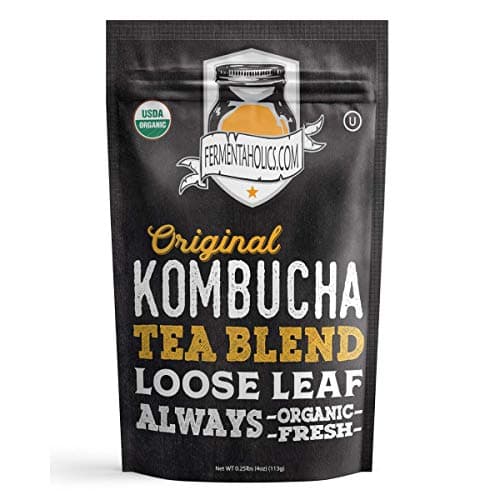 Fermentaholics Organic Kombucha Tea Blend, Loose Leaf A hand-blended organic black and green loose leaf sold specifically for kombucha, with brewing instructions in the box. | A first brew with instructions | |
| 02 | 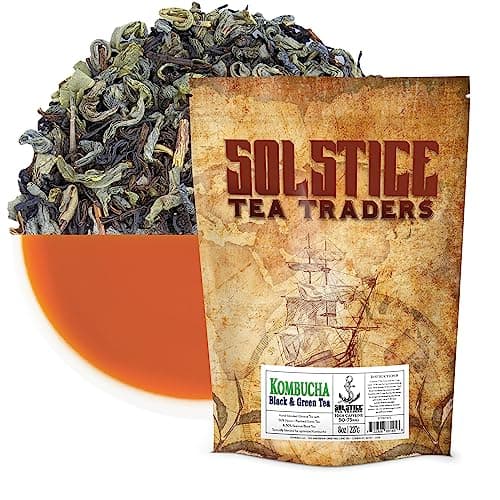 Solstice Kombucha Loose Leaf Tea, Keemun Black and Hyson Green 50/50 A named 50/50 blend -- Keemun Congou black and Chinese Young Hyson green -- rather than an unspecified mix, in a bag roughly double the usual kombucha-blend size. | Knowing exactly which teas are in the bag | |
| 03 | 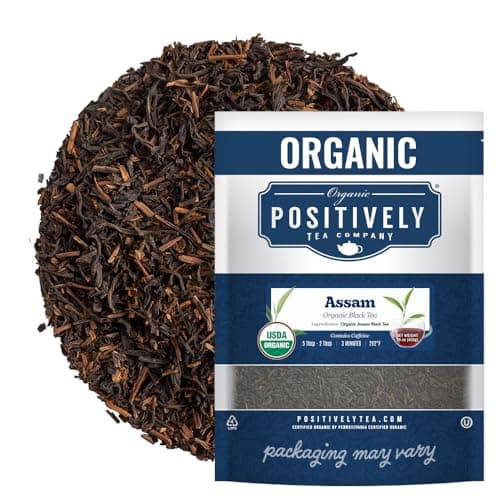 Positively Tea Organic Assam TGFOP Black Tea, 16 oz Straight organic Assam, loose leaf, by the pound. | Plain organic black tea, nothing added | |
| 04 | 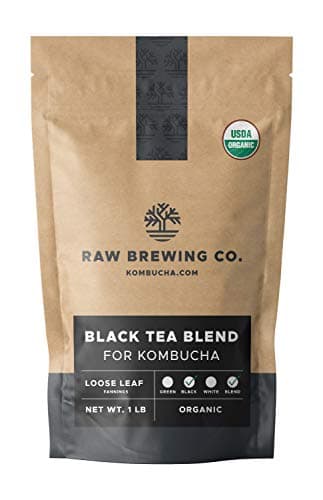 Kombucha.com Organic Loose Leaf Black Tea Blend, 8 oz An organic black blend sold with a stated yield -- up to 25 gallons from eight ounces -- which is the number that actually lets you compare tea prices across this page. | Knowing how many gallons you are buying | |
| 05 | 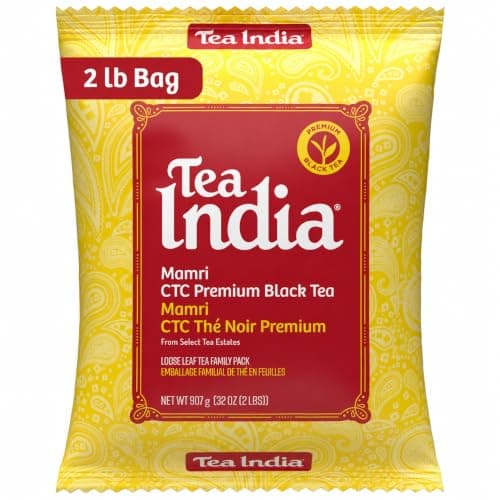 Tea India Assam Black Tea, CTC Loose Leaf, 2 lb Two pounds of CTC Assam, which is the crushed processing style used for strong everyday tea. | Brewing by the gallon, cheaply |
#ad · We earn a commission on Amazon purchases. Prices come from Amazon and change.
Kombucha is sweet tea fermented by a culture. The sugar is the food, and the tea is the rest of the diet — it supplies what the culture needs beyond sugar, and it decides most of what the finished drink tastes like.
Choosing it is simpler than the tea aisle makes it look, because one rule eliminates most of the options before you compare anything else.
It has to be real tea, with nothing added
Kombucha needs Camellia sinensis — black, green, white or oolong, all of which are the same plant processed differently. Two categories are the classic mistakes:
- Herbal “teas” are not tea. Rooibos, chamomile, peppermint, fruit infusions. They are leaves and flowers from other plants, and on their own they do not give the culture what it needs.
- Flavored and oiled teas. The bergamot-scented classics are what catch people out, because they genuinely are black tea — with an oil added. The oil is the problem: oils are antimicrobial, they sit on the surface, and a culture that lives at the surface does not appreciate either.
So: plain tea, loose leaf or bagged, black or green, with an ingredients list that says tea and nothing else. That single filter removes most of the supermarket shelf and most of the ways a first brew goes wrong.
Black or green
Black tea is the reliable default. It is the most heavily processed form of the leaf, it brews strong, and it is what most kombucha has historically been made with. A black-tea brew is darker, more tannic and more robust.
Green tea ferments faster and gives a lighter, floral, less tannic result that a lot of people prefer to drink. The common caution is that a culture kept exclusively on green tea over many cycles can weaken, which is why blends exist.
A blend is the usual compromise and is what most teas sold specifically for kombucha are: enough black to keep the culture robust, enough green to lighten the flavor.
| Tea | Result | Use it when |
|---|---|---|
| Black only | Dark, tannic, robust | Your first brews, or a culture that seems sluggish |
| Black and green blend | Balanced, lighter than black alone | The default once you are established |
| Green only | Light, floral, ferments faster | Flavor preference, with black cycles mixed in |
| Herbal / fruit | Not a kombucha base | Second ferment flavoring only, never the brew |
| Bergamot or flavored | Added oils interfere | Never |
Note the herbal row. Herbal infusions are excellent in the second ferment, where you are flavoring finished kombucha in a sealed bottle. The rule is about the primary brew, where the culture lives.
How we judged these
- Plain tea, nothing added. No oils, no flavoring, no herbal filler. Every pick here is tea and only tea.
- Loose leaf over bags. Loose leaf is cheaper per brew, and bags bring staples, strings and sometimes the bag material into a vessel that will sit for a week.
- Does the listing tell you what is in it? Most kombucha blends say “black and green” and stop. One here names both cultivars, which is worth something if you want to repeat a result.
- Cost per gallon, not per bag. A pound of CTC Assam and eight ounces of a specialty blend are not comparable by price. One listing here publishes a yield, which is the only figure that makes comparison honest.
- Quantity against how often you brew. Two pounds of tea is superb value and goes stale in a cupboard if you brew once a month.
Loose leaf or bags
Bags work. Plenty of people brew good kombucha with plain supermarket black tea bags and there is nothing wrong with it.
Loose leaf is cheaper per gallon, gives you a visible ingredient rather than a sealed paper packet, and avoids leaving staples and tags in a vessel for a week. It needs straining, which is a minor inconvenience against a brew that takes seven days anyway. If you are brewing by the gallon regularly, loose leaf is the obvious choice; if you brew occasionally, bags are fine and we are not going to pretend otherwise.
The rest of the setup
Tea is one of four inputs: tea, sugar, a culture and starter liquid. Plain white sugar is the standard feed — honey and most substitutes are not, for the primary brew. The vessel and cover are covered in brewing jars, and the whole setup is laid out in what you need to start brewing kombucha.
The short version
Buy plain loose leaf tea with nothing added. Start with a black and green blend if you want the decision made for you, or straight Assam if you would rather run one variable and adjust. Avoid anything oiled or herbal in the primary brew, and save the fruit and herbs for the second ferment where they belong.
Every pick, in order
The full write-ups
Pick 01 · A first brew with instructions
Fermentaholics Organic Kombucha Tea Blend, Loose Leaf
Fermentaholics
A hand-blended organic black and green loose leaf sold specifically for kombucha, with brewing instructions in the box. The blend is the point: black tea feeds the culture reliably and green lightens the finished flavor, and this takes the ratio decision away from you.
Type
Loose leaf black and green tea blend
Certification
USDA organic, kosher certified
Included
Brewing instructions
Additives
Plain tea; no oils or flavorings
Specs compiled from: Manufacturer product listing and product name
What is good
- Blended for kombucha, so the black-to-green ratio is already decided
- Instructions written for a first brew rather than for drinking tea
- From a fermentation supplier rather than a tea company guessing at the use
What is not
- You pay a premium over buying plain loose black tea by the pound
- A pre-set blend gives you nothing to adjust once you have preferences
- Smaller quantity than the bulk black teas here
#ad Disclosure · Price as of October 17, 2026
Pick 02 · Knowing exactly which teas are in the bag
Solstice Kombucha Loose Leaf Tea, Keemun Black and Hyson Green 50/50
Solstice Tea Traders
A named 50/50 blend -- Keemun Congou black and Chinese Young Hyson green -- rather than an unspecified mix, in a bag roughly double the usual kombucha-blend size. Knowing the cultivars means you can repeat or deliberately change the result.
Type
50/50 loose leaf black and green blend
Teas named
Keemun Congou black, China Young Hyson green
Size
8 oz total
Additives
Plain tea; no oils or flavorings
Specs compiled from: Manufacturer product listing and product name
What is good
- The listing names both teas, which almost no kombucha blend does
- A balanced 50/50 is a sensible default that you can then move away from
- Larger bag than most blends sold for kombucha
What is not
- Costs more than buying a plain bulk black tea
- A fixed 50/50 is still someone else's ratio
- Specialty cultivars make it harder to buy an identical refill elsewhere
#ad Disclosure · Price as of October 17, 2026
Pick 03 · Plain organic black tea, nothing added
Positively Tea Organic Assam TGFOP Black Tea, 16 oz
Positively Tea
Straight organic Assam, loose leaf, by the pound. No blend, no kombucha branding and no premium for either. If you want a single black tea to run your brew on and adjust from there, this is the least complicated way to buy one.
Type
Assam TGFOP black tea, loose leaf
Size
16 oz
Certification
USDA organic, non-GMO, kosher
Additives
Plain tea; no oils or flavorings
Specs compiled from: Manufacturer product listing and product name
What is good
- A single named origin, so the brew has one variable rather than two
- Organic certification at a reasonable per-pound price
- Assam is a robust black tea, which is what a culture feeds on most reliably
What is not
- No green tea in it, so the finished kombucha is darker and more tannic
- Sold as a drinking tea, so no kombucha instructions are included
- TGFOP grading refers to leaf appearance, not to suitability for brewing
#ad Disclosure · Price as of October 17, 2026
Pick 04 · Knowing how many gallons you are buying
Kombucha.com Organic Loose Leaf Black Tea Blend, 8 oz
Raw Brewing Company
An organic black blend sold with a stated yield -- up to 25 gallons from eight ounces -- which is the number that actually lets you compare tea prices across this page. Most listings leave you to work that out yourself.
Type
Organic loose leaf black tea blend
Size
8 oz
Stated yield
Up to 25 gallons, per the manufacturer
Additives
Plain tea; no oils or flavorings
Specs compiled from: Manufacturer product listing and product name
What is good
- Publishes a yield, which makes genuine price comparison possible
- Certified organic and blended for brewing rather than drinking
- Black-only blend gives a stronger, more reliable ferment than green-heavy mixes
What is not
- Most expensive per ounce here
- The blend's component teas are not named
- Eight ounces is a small bag for the price, even at 25 gallons
#ad Disclosure · Price as of October 17, 2026
Pick 05 · Brewing by the gallon, cheaply
Tea India Assam Black Tea, CTC Loose Leaf, 2 lb
Tea India
Two pounds of CTC Assam, which is the crushed processing style used for strong everyday tea. It extracts fast and hard, which suits kombucha, and at this quantity the cost per gallon is the lowest on the page by a wide margin.
Type
Assam black tea, CTC loose leaf
Size
2 lb
Processing
CTC (crush, tear, curl)
Additives
Plain tea; no oils or flavorings
Specs compiled from: Manufacturer product listing and product name
What is good
- Cheapest per brew of anything here, by a long way
- CTC extracts quickly and strongly, which is what a sweet tea base wants
- Two pounds lasts a continuous brewer a very long time
What is not
- CTC is a blunt, brisk tea -- the finished kombucha is less nuanced
- Not organic, if that matters to you
- Two pounds of tea goes stale before a once-a-month brewer finishes it
#ad Disclosure · Price as of October 17, 2026
How we picked
We have not tested any of this equipment. What we did instead: compiled the published specifications from each manufacturer’s own listing, checked them against the task a beginner is actually trying to do, read the care instructions, and named the thing we would skip. Where a pick is a product type rather than a brand, it is because the category is sold mostly unbranded and the type is the real decision.
Frequently asked
Questions
+What tea is best for kombucha?
Plain black tea, or a black and green blend, with nothing added. Black is the reliable default because it brews strong and keeps the culture robust; a blend lightens the flavor while keeping enough black in the mix.
+Can you use bergamot or flavored tea for kombucha?
No. Bergamot-scented tea is real black tea with an oil added, and the added oil is the problem — oils are antimicrobial and they sit on the surface where the culture lives. Use plain tea with an ingredients list that says tea and nothing else.
+Can you make kombucha with herbal tea?
Not as the primary brew. Rooibos, chamomile and fruit infusions are not Camellia sinensis and do not give the culture what it needs. Herbs and fruit belong in the second ferment, where you are flavoring finished kombucha in a sealed bottle.
+Is green tea or black tea better for kombucha?
Black is more robust and the safer default; green ferments faster and tastes lighter and more floral. A culture kept only on green over many cycles is commonly said to weaken, which is why most kombucha teas are blends.
+Do I need loose leaf tea or are bags fine?
Bags are fine. Loose leaf is cheaper per gallon and keeps staples, strings and bag material out of a vessel that sits for a week, so it is the better choice if you brew regularly. Either way the rule is the same: plain tea, nothing added.
+How much tea do you need per gallon of kombucha?
Follow the instructions that come with your culture or your tea, since blends vary in strength and the right amount depends on the leaf. One tea on this page publishes a yield — up to 25 gallons from eight ounces — which is a useful anchor for comparing quantities.
Read next