Hub 05 · Kombucha, Kefir & Yogurt
What you need to start brewing kombucha
Six items. Four are in most kitchens already, and the one people forget is the one that makes it fizzy.
We earn a commission if you buy through our links, at no extra cost to you. We have not tested this equipment. Here is what we did instead.
- A live SCOBY with starter liquid. The only thing you cannot improvise. The liquid matters as much as the mat.
- A wide-mouth glass jar. Half a gallon is a sensible first batch size. Glass, because kombucha is acidic.
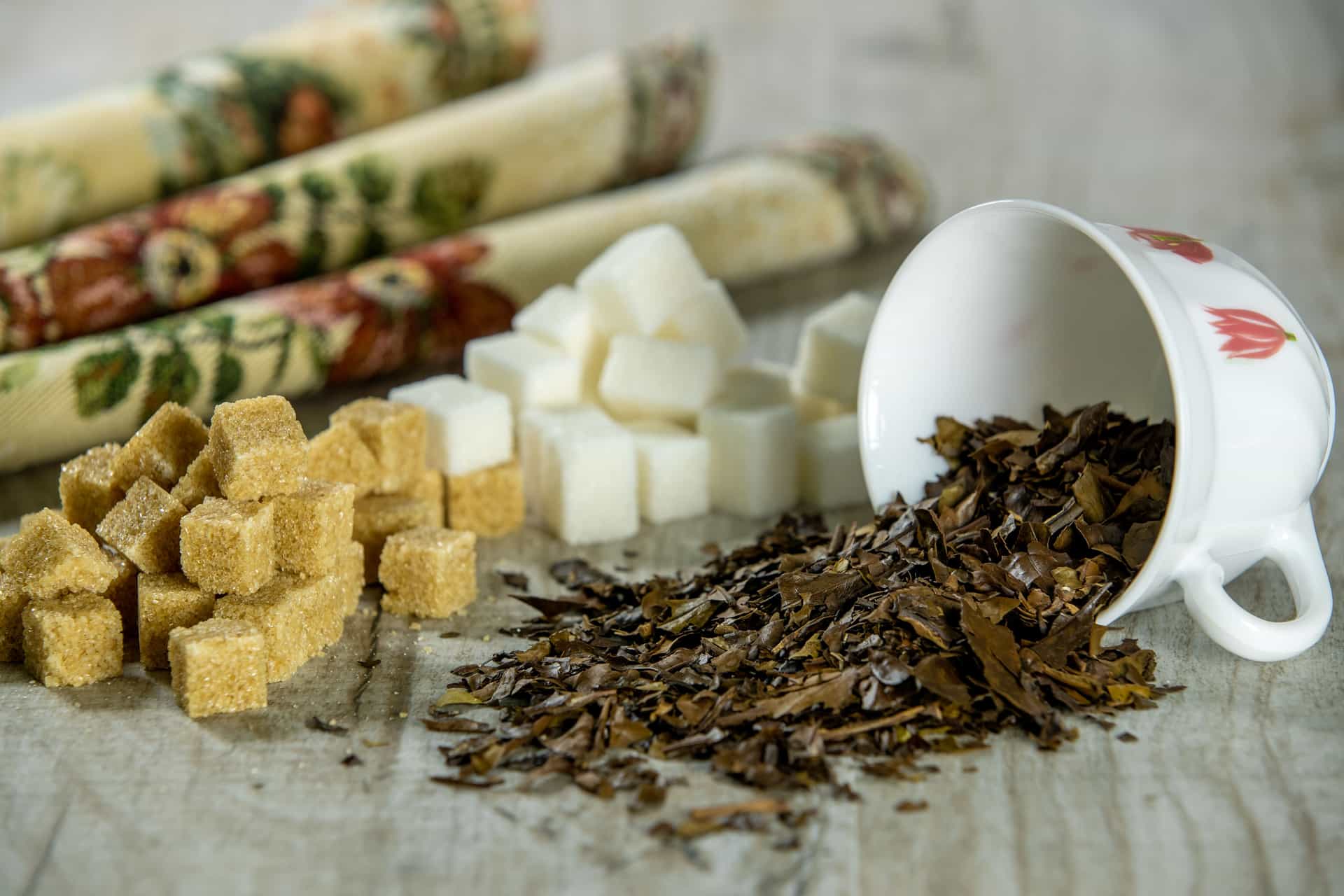
- Plain black tea. Bags or loose. Not herbal, not flavored.
- Plain white sugar. It feeds the culture, not you — most of it is consumed during fermentation.
- A cloth cover and a rubber band. Breathable, so gas escapes and insects do not get in.
- Swing-top bottles. The forgotten item. Without them there is no second ferment and no fizz.
That is the list. No airlock, no thermometer, no pH strips, no continuous-brew vessel with a tap.
Why the cover is cloth and not an airlock
This is where kombucha differs from vegetable fermenting, and people coming from sauerkraut get it wrong. A kombucha culture needs air. The bacteria that convert alcohol to acid are aerobic, so the vessel is covered with a breathable cloth rather than sealed with a one-way valve.
Use a tightly woven cloth. Cheesecloth is often too open for fruit flies, which are genuinely attracted to a fermenting jar.
Why plain tea and plain sugar
The culture is adapted to sugared black tea. Herbal infusions are not tea at all and do not feed it the same way. Flavored and oiled teas can be poorly tolerated. Honey and unrefined sugars change the balance.
Brew plain, then flavor in the bottle at the second ferment with fruit or juice. That is also how commercial kombucha gets its flavors.
The bottles, and why they are not optional
The first ferment, in an open cloth-covered jar, produces sour kombucha with almost no fizz — the carbon dioxide escapes. Carbonation happens in the second ferment: sealed bottles, a little sugar or fruit, a few days at room temperature.
Swing-top glass bottles are built for that pressure. Handle them with respect: burp them daily, refrigerate once they are carbonated, and do not leave a forgotten bottle in a warm room for a fortnight.
Temperature is the invisible variable
Kombucha ferments faster when warm and can stall when cold. A stick-on aquarium thermometer strip on the side of the jar costs very little and turns “why is nothing happening” into a number. It is the one optional item we would actually add.
What it costs to start
A culture, a jar, tea, sugar and bottles. If you own a large jar the outlay is the culture and the bottles, which is the cheapest entry into any live-culture hobby on this site — the comparison across all of them is in what a complete first setup costs.
Frequently asked
Questions
+What do I need to start brewing kombucha?
A live SCOBY with starter liquid, a wide-mouth glass jar, plain black tea, plain white sugar, a breathable cloth cover with a band, and swing-top bottles for the fizzy second ferment.
+Do I need an airlock for kombucha?
No — the opposite. A kombucha culture needs air, so the vessel is covered with a breathable cloth rather than sealed. This is where it differs from vegetable fermenting, and it is a common mistake for people coming from sauerkraut.
+Why is my kombucha not fizzy?
Because carbonation happens in the second ferment, not the first. The open jar lets carbon dioxide escape. Bottle the finished kombucha in sealed swing-top bottles with a little sugar or fruit for a few days at room temperature.
+Can I use honey instead of sugar for kombucha?
Plain white sugar is what the culture is adapted to. Honey and unrefined sugars change the balance and are not what a first batch should experiment with. Brew plain, and flavor in the bottle.
Read next