Hub 05 · Kombucha, Kefir & Yogurt
Kombucha vs kefir: which to brew first
Kefir. It ferments in about a day at room temperature, needs no equipment beyond a jar, and the grains multiply so you never buy a culture twice.
We earn a commission if you buy through our links, at no extra cost to you. We have not tested this equipment. Here is what we did instead.
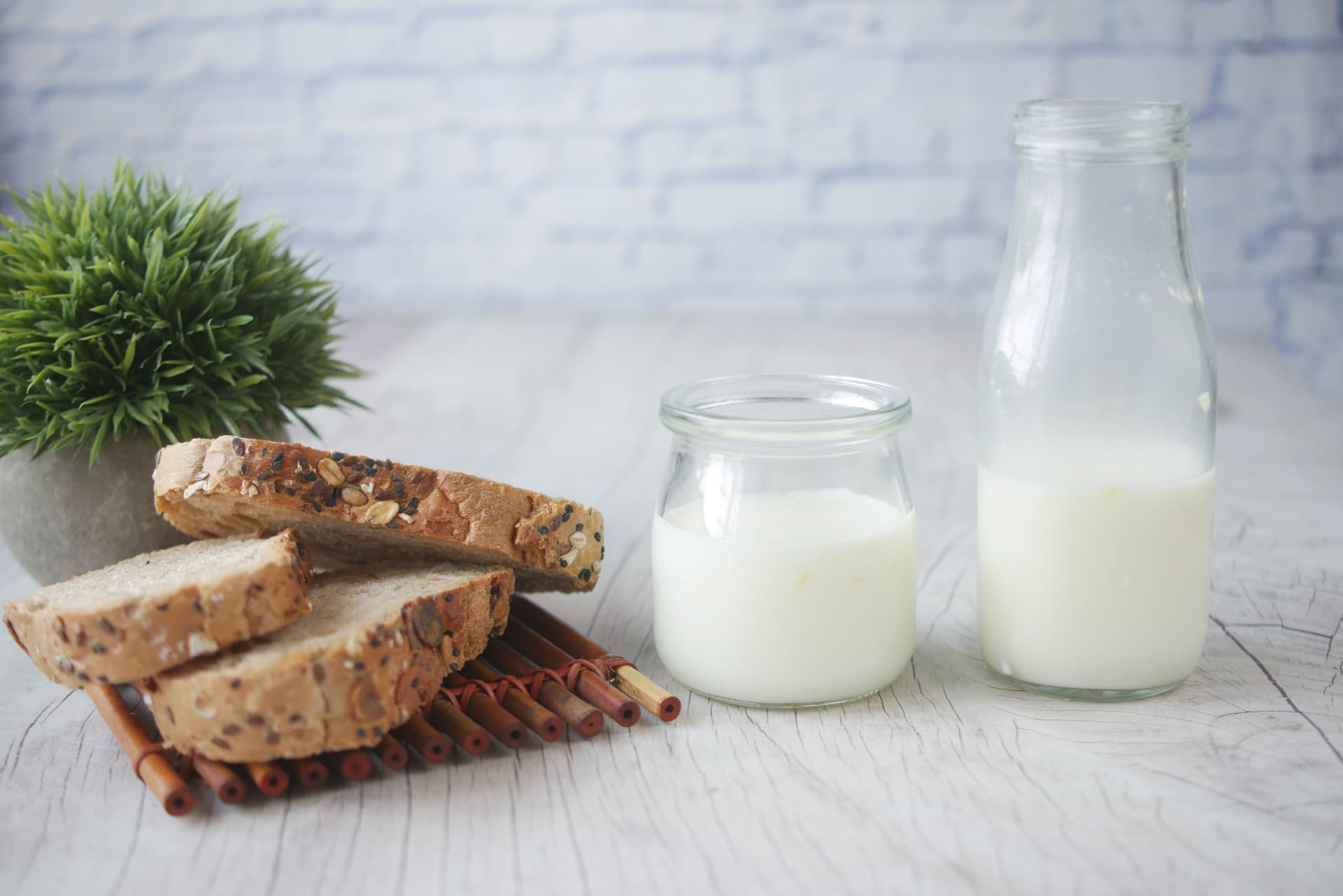
Start with kefir if
You want a result tomorrow
About 24 hours at room temperature, in a jar you already own. The grains multiply, so the culture is a one-time purchase you can give away from for years.
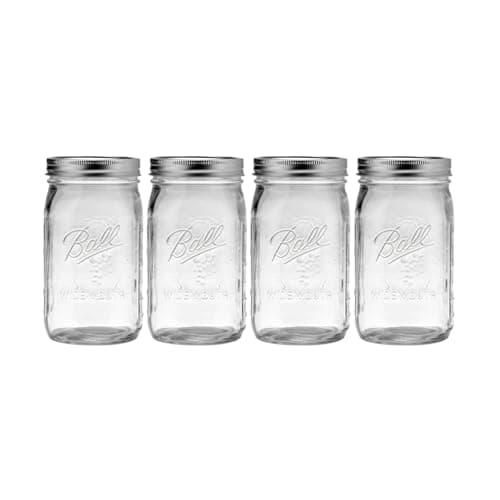
Wide-mouth quart mason jar
#ad Disclosure · Price as of October 17, 2026
Start with kombucha if
It is the drink you actually want
Kombucha is what most people mean when they say they want to brew something. It takes weeks rather than a day and needs bottles for the fizz, and it is worth it if that is the goal.
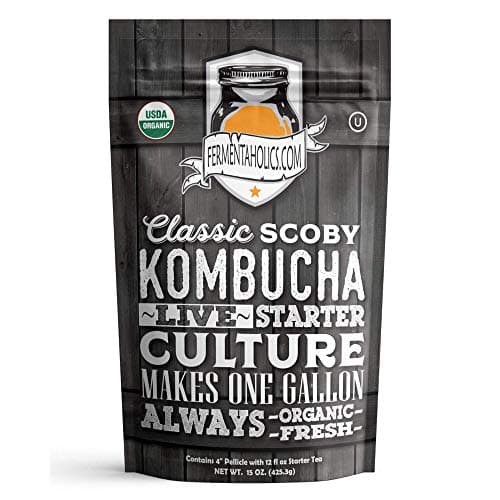
Live SCOBY with starter liquid, on its own
#ad Disclosure · Price as of October 17, 2026
| Kefir | Kombucha | |
|---|---|---|
| Base | Milk, or sugar water for water kefir | Sweetened black tea |
| Culture | Grains that multiply | A SCOBY plus starter liquid |
| Time per batch | About 24 hours | One to three weeks |
| Equipment | A jar, a sieve, a lid | A large jar, cloth, bottles |
| Temperature | Room temperature | Room temperature, but slower when cool |
| Ongoing culture cost | None — grains keep growing | None — the SCOBY grows too |
| Carbonation | Optional second ferment | Second ferment in sealed bottles |
| Forgiveness of neglect | High — grains survive a lot | Moderate — needs starter liquid to stay safe |
Why kefir is the gentler start
The feedback loop is a day long. You strain the grains out, put them into fresh milk, and twenty-four hours later you know whether it worked. Kombucha takes one to three weeks to tell you the same thing, which means a mistake costs a fortnight.
The grains also multiply, which changes the economics entirely. You buy a culture once and then have more than you need indefinitely — kefir grains are the thing people give away in jars.
Why kombucha is what people actually want
Nobody has to be persuaded to want kombucha; it is a drink with a following. Kefir is thicker, tangier and more like a drinking yogurt, which is not what someone reaching for a kombucha kit had in mind.
If kombucha is the goal, start with kombucha. The advice above is about which is a gentler introduction, not which is more worth making.
Milk kefir or water kefir?
They use different grains and are not interchangeable. Milk kefir is thick and tangy, like a pourable yogurt. Water kefir ferments sugar water into something light and mildly fizzy, and it is a great deal closer to kombucha in character.
If kombucha is what you want but the timescale puts you off, water kefir is the honest middle ground.
The equipment overlap
Nearly total, and both overlap with the vegetable side of the kitchen. A wide-mouth quart jar does kefir; a larger jar does kombucha; swing-top bottles carbonate either. If you already ferment vegetables you own most of what these need — the full picture is in what a complete first setup costs.
Frequently asked
Questions
+Is kefir easier to make than kombucha?
Yes. Kefir ferments in about 24 hours at room temperature in a jar you already own, and the grains multiply so you never buy the culture again. Kombucha takes one to three weeks and needs bottles for carbonation.
+What is the difference between milk kefir and water kefir?
Different grains and different results. Milk kefir is thick and tangy, like a pourable yogurt. Water kefir ferments sugar water into a light, mildly fizzy drink much closer to kombucha in character. The grains are not interchangeable.
+Can you make kefir and kombucha in the same kitchen?
Yes, with the usual sensible practice of keeping the vessels separate and not using the same utensils between them without washing. Starting both at once is more about managing two schedules than about contamination.
Read next