Hub 02
Sourdough starter: the jar, the flour, and the first two weeks
A starter needs a jar you can see through, flour, water, and a fortnight of patience. Everything else is optional.
A sourdough starter is a live culture of wild yeasts and bacteria living in a paste of flour and water. It leavens bread, it needs feeding, and it takes about two weeks to establish from scratch.
Almost everything in this section is about two questions: which jar, and what to do when it stops rising. Those account for most of the trouble people have, and neither is expensive to solve.
What to buy
The picks in this section
Best Starter Jars
Best sourdough starter jars
Clear, straight-sided, not sealed. The three specs that matter, and the jars that meet them.
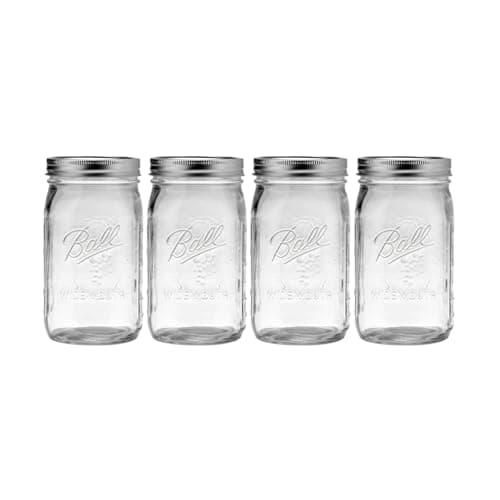
Top pick · Wide-mouth quart mason jar
#ad Disclosure · Price as of October 17, 2026
Best Dried Starters
Best sourdough starters you can buy
What a bought culture actually gets you, and which suppliers publish the best instructions.
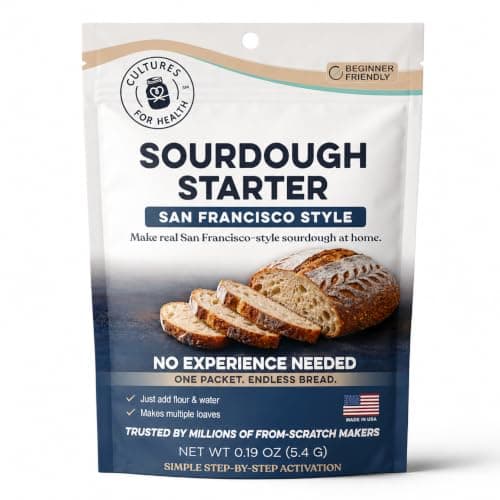
Top pick · Cultures for Health sourdough starter
#ad Disclosure · Price as of October 17, 2026
Best Starter Flour
Best flour for a sourdough starter
Whole wheat to start it, rye to rescue it, cheap unbleached flour to keep it. What to buy and why.
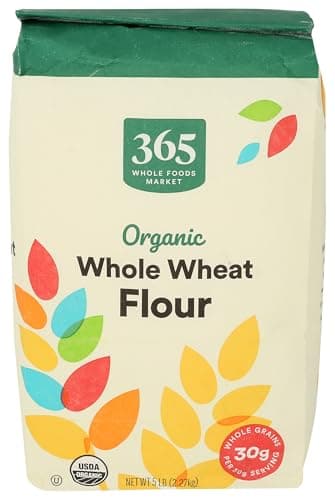
Top pick · 365 Organic 100% Whole Wheat Flour, 80 oz
#ad Disclosure · Price as of October 17, 2026
Best Starter Warming Mat
How to keep a sourdough starter warm
The free fixes first, the target temperature, and the mats worth buying if your kitchen stays cold.
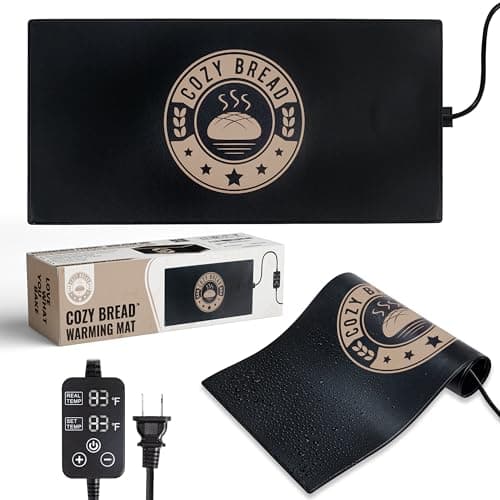
Top pick · Cozy Bread Sourdough Proofing Mat with Thermostat
#ad Disclosure · Price as of October 17, 2026
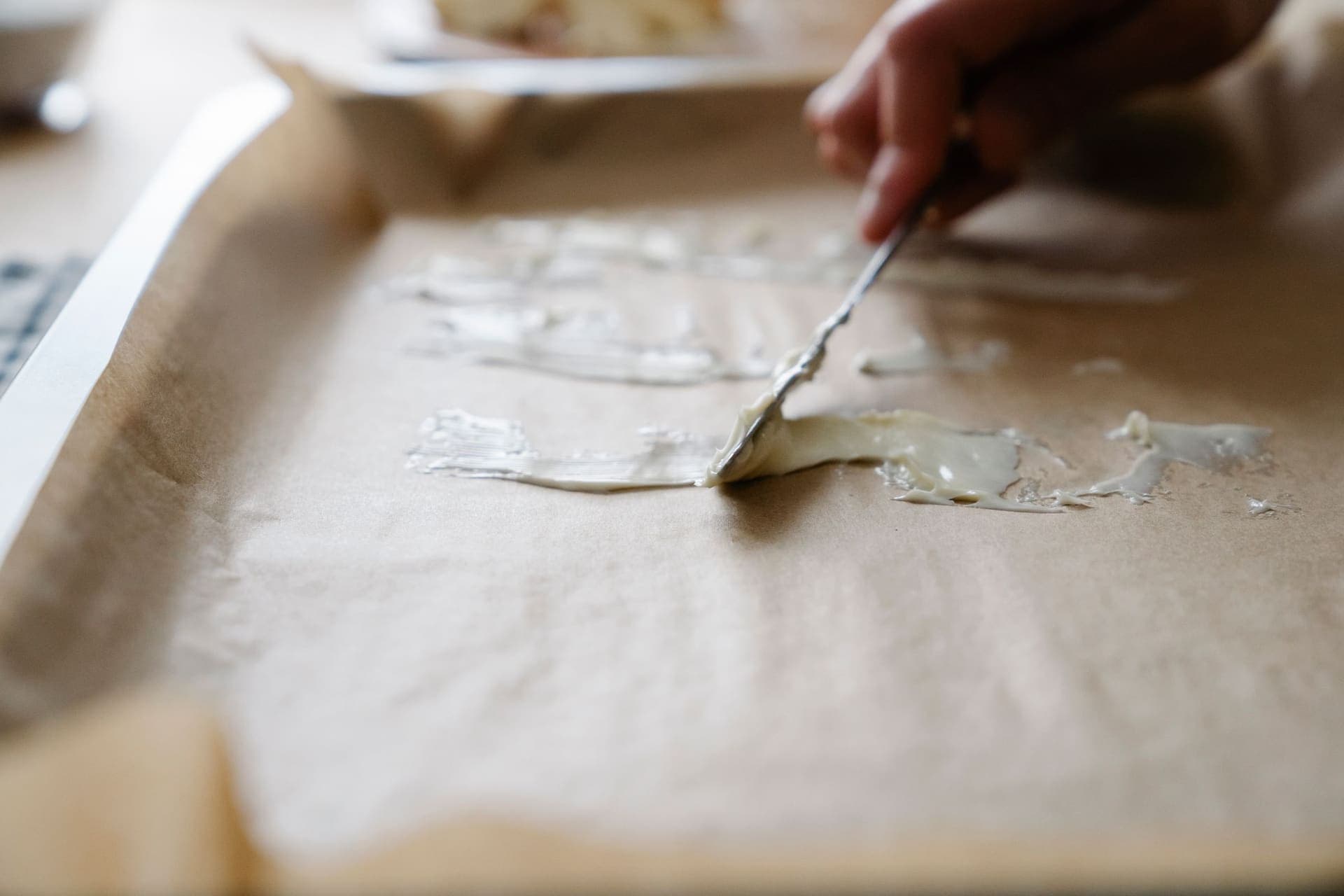
Best Drying Kit
How to dehydrate a sourdough starter
The insurance policy for a starter: spread thin, dry under 100F, store airtight. Free with parchment, faster with a dehydrator.
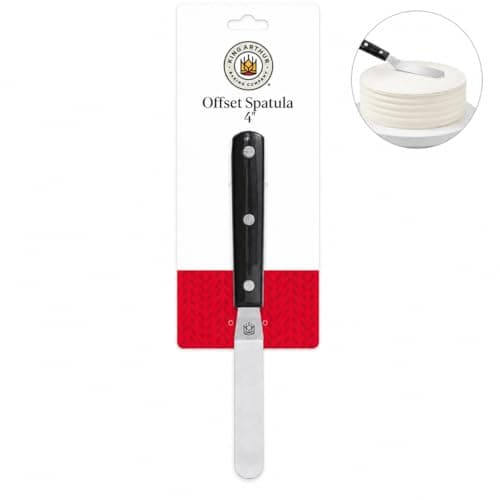
Top pick · King Arthur Offset Spatula, 4-Inch Flexible Blade
#ad Disclosure · Price as of October 17, 2026
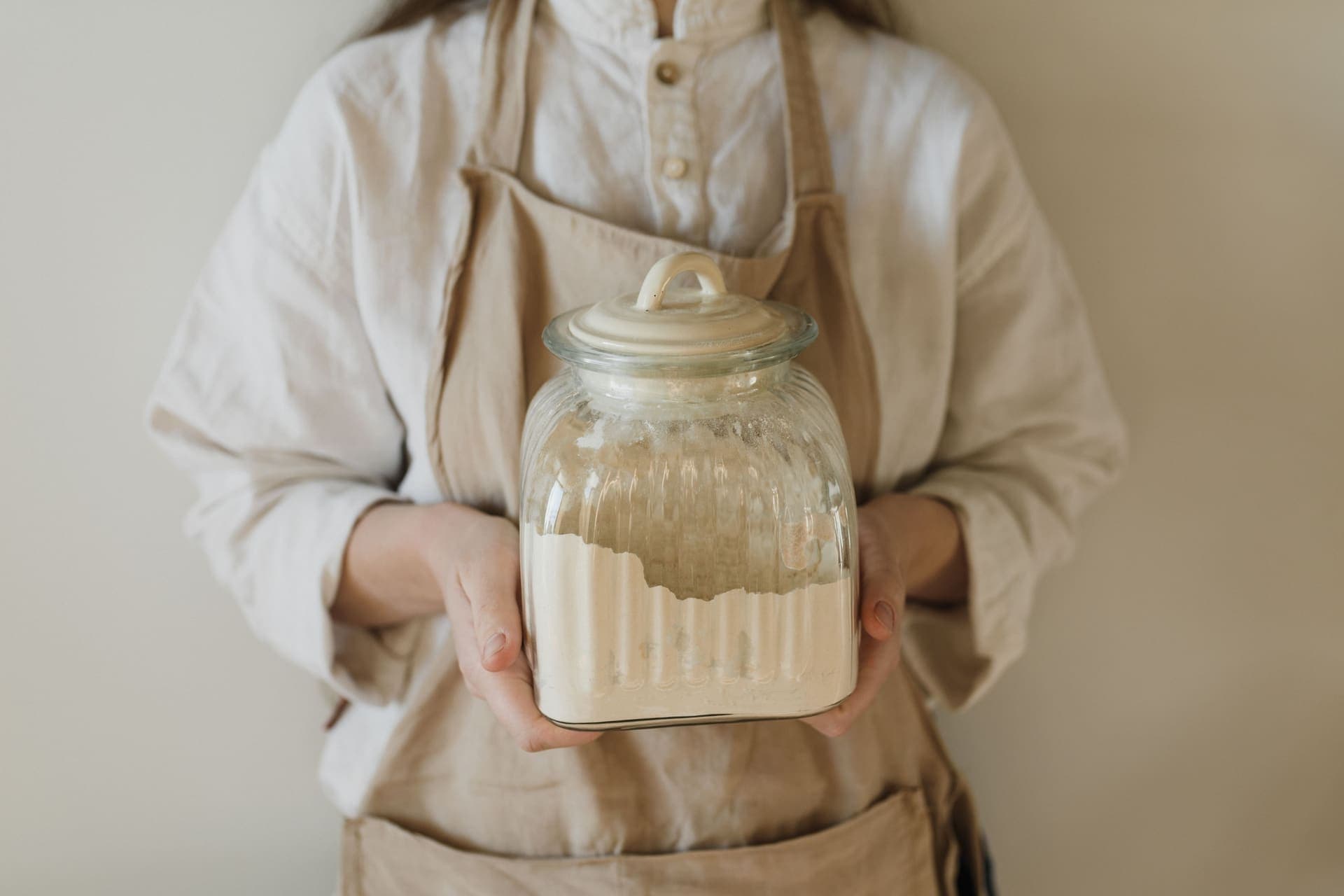
Best GF Starters
Gluten-free sourdough starter
The cultures and flours for a genuinely gluten-free starter, and why fermenting wheat does not make it safe.
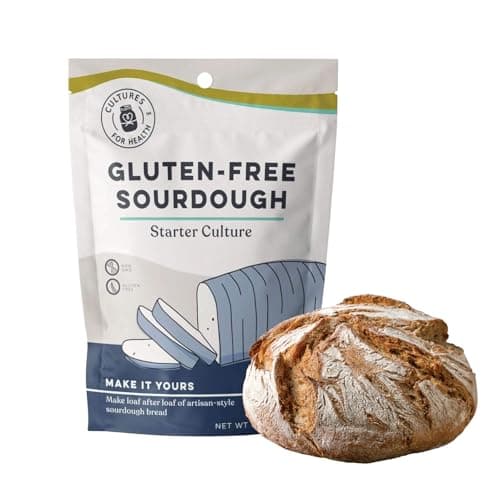
Top pick · Cultures for Health Gluten Free Sourdough Starter
#ad Disclosure · Price as of October 17, 2026
Working it out
Guides and comparisons
Orientation
More about Sourdough Starter
What a starter costs to keep
Almost nothing. A jar you probably own, and flour. If you buy a dried culture you are paying for a documented first week rather than a better loaf — a starter grows from flour and water for free, and after a few weeks in your kitchen a bought culture drifts toward the same thing a homegrown one would have been anyway.
The one purchase we would defend is a spoonful from a friend who already has one, which is free, already adapted to a nearby kitchen, and active immediately. Ask before you buy — the full comparison is here.
The jar, in three specifications
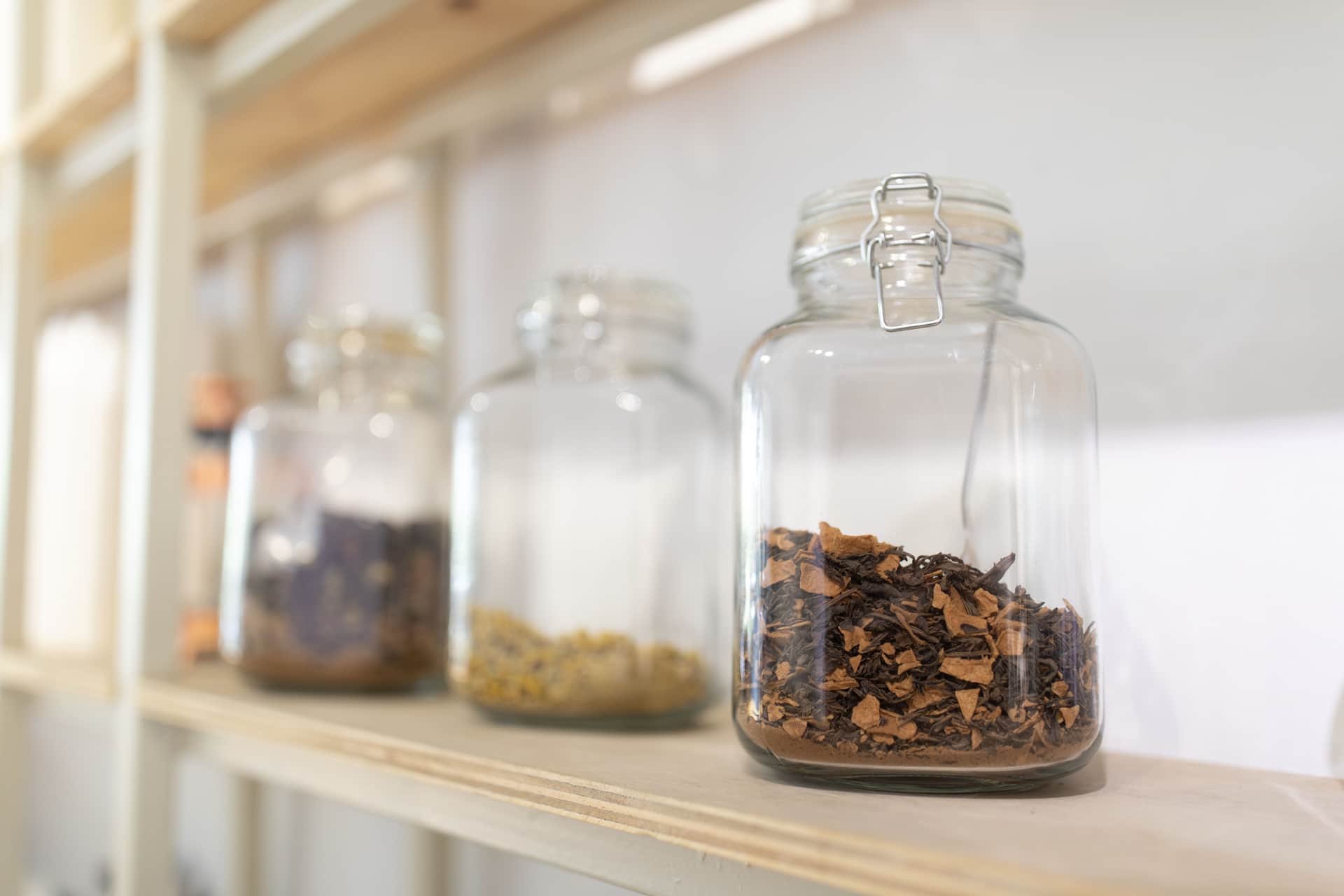
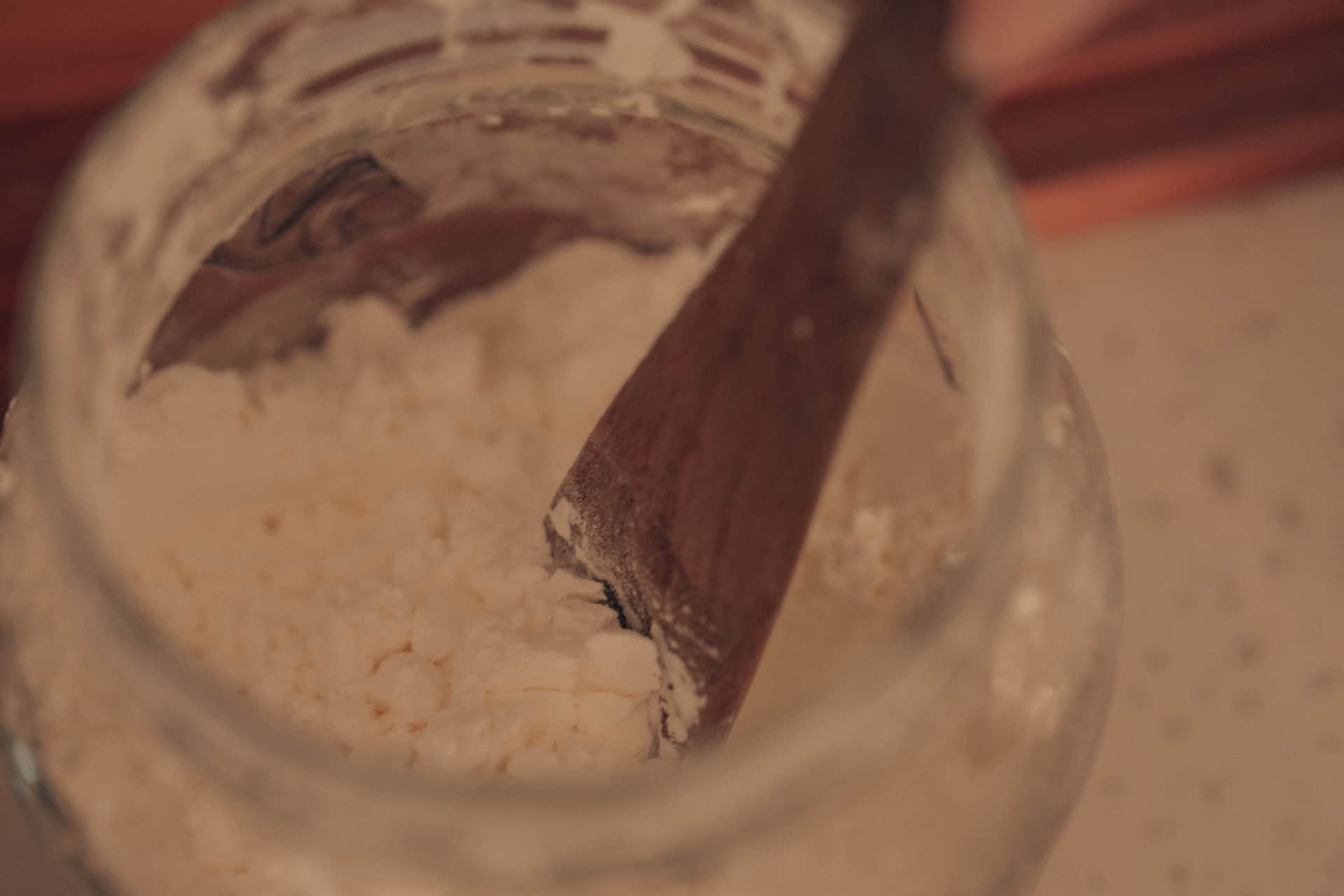
Clear, so you can see what it is doing. Straight-sided, so a rise can be measured against a mark rather than estimated. Not sealed, because a starter produces carbon dioxide and a sealed jar builds pressure.
A wide-mouth quart mason jar meets all three and costs a few dollars, which is why it heads our starter jar roundup ahead of jars costing several times as much. Add a rubber band at the post-feed level and you have the whole system.
A ceramic crock is a handsome object and a poor first choice, because it is opaque exactly when you most need to see inside.
The quiet week is the whole problem
New starters bubble for two or three days, then go quiet for several more, then come back properly. That lull, roughly days four to eight, is where most starters get thrown away — and nothing is wrong when it happens.
The second most common cause of trouble is temperature. A starter at 18C behaves like a much weaker starter at 23C, which is why January starters take longer than the internet says they should. An oven with only the light on solves it for nothing.
Both of those, and four other causes ranked by how often each is actually the problem, are in why your starter is not rising.
How to keep one without it becoming a chore
Everybody starts with a daily counter feed, because that is what you need to build a starter. Almost nobody tells beginners to switch, and the daily obligation is what quietly ends the hobby in February.
If you bake weekly or less, keep the starter in the fridge and feed it once a week. Cold slows the culture enormously; that is the point. Give it a counter feed the day before you bake and it performs the same. The transition, and a symptom-cause-fix chart for the things that worry people, is in feeding and storing a starter.
What is normal, and what is not
Normal: a dark liquid layer on top (it is hungry), a sharp acetone-like smell (also hungry), cloudy separation, going quiet for days, smelling different week to week.
Not normal: fuzzy growth with texture, in pink, orange or green. That jar goes in the bin. Everything else on the first list is recoverable with warmth and regular feeding, and none of it means starting again.
The other thing nobody warns a beginner about is how much starter goes in the bin every week — what to do with sourdough discard covers what it is good for and how to produce less of it.
Flour is the other half of keeping a starter healthy, and the bag that feeds a starter best is not the bag that bakes the best loaf — best flour for a sourdough starter explains why.
Every common symptom is sorted against its likely cause and its fix in the starter troubleshooting chart, and the vessel question — how big a jar a starter actually needs — is in what size jar for a starter.
The one job worth doing before anything goes wrong is a backup: drying a starter costs nothing but parchment and makes the culture you spent weeks building impossible to lose.
The single most common cause of a starter that has gone quiet is not illness, it is a cold kitchen. How to keep a starter warm works through the fixes that cost nothing first, and only then the mats worth buying if your kitchen really is cold all winter.
A starter does not have to contain gluten. You can keep a genuine culture on rice flour, and the gluten-free starter page names the cultures and the two different flours it takes — one cheap one to feed the jar, one engineered one for the loaf. It also answers the question that gets tangled up with it, which is whether fermenting wheat for long enough makes it safe. It does not, and the FDA’s own labeling rule explains why.
Every page in this section · Best sourdough starter jars · Best sourdough starters you can buy · Buy a starter, or grow your own? · Sourdough vs yeast bread · How to start a sourdough starter from scratch · Why your sourdough starter is not rising · Feeding and storing a sourdough starter · Sourdough starter troubleshooting chart · What size jar do you need for a sourdough starter? · What to do with sourdough discard · Best flour for a sourdough starter · How to keep a sourdough starter warm · How to dehydrate a sourdough starter · Gluten-free sourdough starter