Hub 02 · Sourdough Starter
Buy a starter, or grow your own?
Growing one is free and takes about two weeks. Buying one costs money and saves you the week where you cannot tell normal from broken. Both end in the same place.
We earn a commission if you buy through our links, at no extra cost to you. We have not tested this equipment. Here is what we did instead.
Buy a culture if
You want the first week documented
A bought culture comes with a schedule written for it, which removes the phase where you cannot tell a normal lull from a dead jar. That phase is where most people quit.
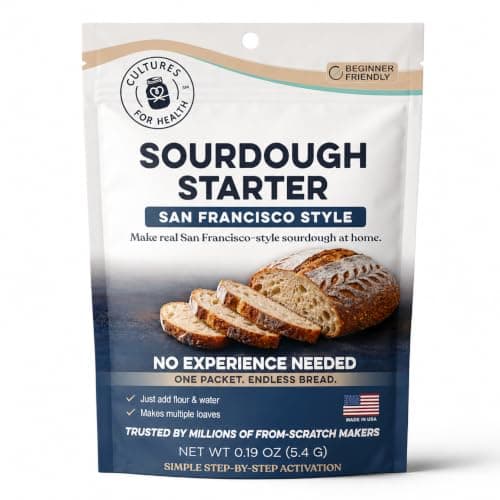
Cultures for Health sourdough starter
#ad Disclosure · Price as of October 17, 2026
Grow your own if
You are not in a hurry
It costs a jar and some flour. It teaches you what a starter does by making you watch it. And it removes any dependence on a supplier being in stock.
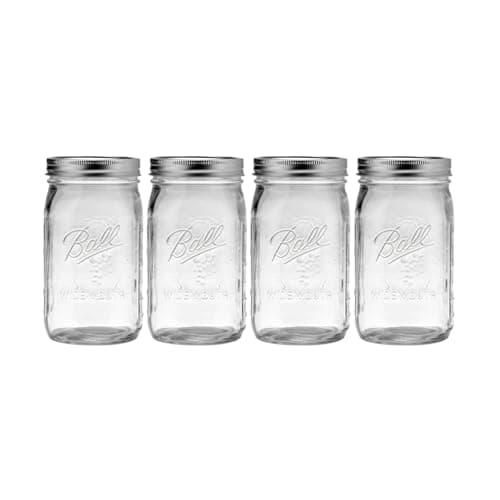
Wide-mouth quart mason jar
#ad Disclosure · Price as of October 17, 2026
| Bought culture | Grown from flour | |
|---|---|---|
| Cost | The price of the culture | Flour and water only |
| Time to a usable starter | Days, following a supplied schedule | About two weeks |
| Instructions | Written for that specific culture | Generic, from wherever you find them |
| The confusing lull | Shorter and expected | Days four to eight, unannounced |
| Long-term flavor | Drifts to match your kitchen | Already matches your kitchen |
| If it fails | Contact the supplier | Start again, cost of a cup of flour |
The case for buying
The value is the schedule. A supplier who dried a specific culture can tell you what it should look like on day two and day four, and that turns the most demoralizing week of the hobby into a checklist. If you have already abandoned one starter, buy a culture for the second attempt.
It also matters as a gift. “Mix flour and water and wait a fortnight” is not a present. A box with a culture and instructions is.
The case for growing your own
You end up with a starter adapted to your flour and your kitchen from day one, because it never lived anywhere else. You learn what the stages look like because you watched all of them. And you are not dependent on a supplier, a shipping window or a stock level.
The one thing you give up is certainty during the lull, and knowing the lull is coming largely fixes that — see your first thirty days.
Where the cheaper option is genuinely better
If a friend has a working starter, ask for a spoonful. It is free, it is already adapted to a nearby kitchen, and it is active immediately rather than in a week. This is the best option in the entire category and nobody sells it, which is presumably why nobody writes about it.
Frequently asked
Questions
+Can you make a sourdough starter from scratch?
Yes. Flour and water, mixed and fed daily, produce a working starter in about two weeks. The organisms come from the flour and the environment; nothing needs to be added.
+Is a bought sourdough starter better than a homemade one?
Not in the long run. Any culture drifts toward what your flour and kitchen temperature support. What you buy is a shorter, better-documented first week.
+Can I get a starter from someone else?
Yes, and it is the best option available. A spoonful of an active starter from a friend is free, already adapted to a nearby kitchen, and usable almost immediately.
Read next