Hub 01
Start Here: the first thing to buy, and what it costs
Five pieces of equipment decide whether your first month goes well. This is which ones, in what order, and roughly what you will spend.
Almost everyone arrives at home fermenting the same way: in January, having decided this is the year, with no idea what any of it costs. This section exists to answer that in the order the decisions actually get made.
The short version. Sourdough needs a scale, a jar and a heavy lidded pot. Vegetable fermenting needs a jar, a lid that lets gas out, and a weight. There is significant overlap between the two, and both lists are shorter than the shops would like you to believe.
What to buy
The picks in this section

The Full Setup
What a complete first setup actually costs
The whole first setup at three budgets, with every item linked and priced live.
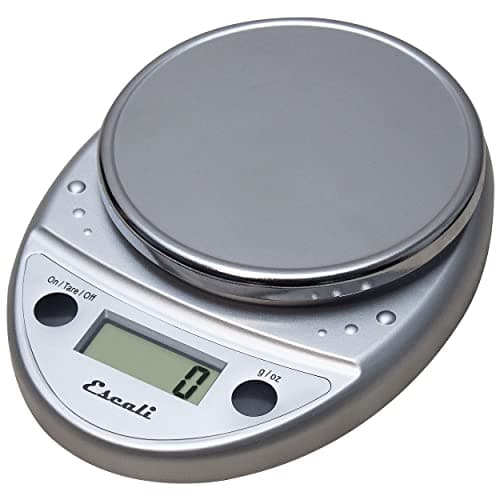
Top pick · Escali Primo Digital Scale
#ad Disclosure · Price as of October 17, 2026
Best Starter Kits
Best sourdough starter kits for beginners
Which starter kits are genuinely complete, and which are a jar you already own in a nicer box.
Top pick · Starter kit: culture, jar, band and instructions

Best Books
Best fermentation books for beginners
Which fermentation or sourdough book to buy first, and which famous one to leave until later.
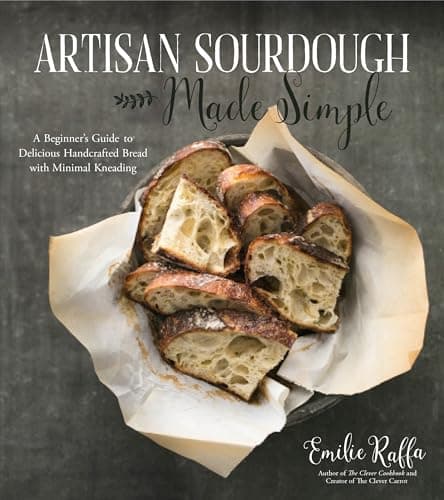
Top pick · Artisan Sourdough Made Simple
Best Gifts
Best sourdough gifts
Gifts that arrive complete, at every budget -- and the ones every baker already owns three of.
Top pick · Artisan Sourdough Made Simple
Working it out
Guides and comparisons

Orientation
More about Start Here
The vocabulary, in one paragraph
A starter is a live culture of flour and water that leavens sourdough. A banneton is the round cane basket a shaped loaf proofs in. A lame is a handle holding a razor blade, used to score a loaf so it opens where you want it to. An airlock is a lid that lets carbon dioxide out of a fermenting jar without letting air in. A weight holds vegetables under the brine, because anything above the liquid meets air. A crock is a large stoneware vessel with a water-filled channel around the rim that does the same job as an airlock, at greater volume. That is the whole glossary you need to read anything else on this site.
What it costs, honestly
We publish a live, three-budget costing of a complete first setup, because nobody else in this category will. Of the eleven publishers we read while researching this niche, nine do not show a price anywhere on their site, and none prices a whole setup.
The three tiers are: minimum, which is only the items that change the outcome; recommended, which adds the things that make the process pleasant enough that you are still doing it in March; and no compromise, which buys ergonomics and capacity rather than better bread. The full breakdown is here, with every item linked to its current price.
What order to buy in
- A digital scale. The cheapest genuinely necessary object in the hobby, and the one that most determines whether one week resembles the next. Almost no starter kit includes one.
- Jars. Wide-mouth quart mason jars. They do starter duty and ferment duty, and every accessory in the category fits them.
- A lid and a weight, if you are fermenting vegetables. Buy them as a matched set in the same jar-mouth size — mismatched mouth sizes are the commonest return in this whole category.
- A heavy lidded pot, if you are baking. And only if you do not already own one, because the pot’s job is trapping steam and a stockpot with a tight lid does that.
- Everything else, later, once something specific has annoyed you enough to be worth fixing.
What beginners get wrong
The pattern is consistent and it is not about technique. People buy the equipment for the version of the hobby they imagine having in six months — the proofing box, the five-liter crock, the second banneton in a different shape — and then do not get there, partly because the enthusiasm went into shopping rather than into a first jar.
The specific items and what to buy instead are in what beginners waste money on. The two things people skip that they should not: a scale, and a weight for their fermenting jar. Both are cheap, both change outcomes, and both are less photogenic than the things bought instead.
Which project first
If you have not decided, start with vegetables. A jar of sauerkraut is edible in about a week, costs almost nothing to set up, and fails visibly — you can see what went wrong on the surface of the jar. A sourdough loaf takes a fortnight to reach and fails invisibly, six hours earlier, in a way that is genuinely hard to diagnose in month one.
If bread is what you actually want, start with bread. That advice is about which is a gentler introduction, not about which is more worth doing — the full comparison is here.
Buying for someone else rather than yourself? The gifts that arrive complete, at every budget, are in best sourdough gifts.
If you are still choosing what to put in the first jar, five vegetables are markedly more forgiving than the rest — the easiest foods to ferment explains why each one works.
Whichever you pick, one book matched to it will move you along faster than sixteen browser tabs will. We rank the ones worth owning, and name the famous one to leave until later, in best fermentation books for beginners.
Every page in this section · What a complete first setup actually costs · Best sourdough starter kits for beginners · Sourdough or fermented vegetables first? · Kit, or buy the pieces separately? · What you actually need to start fermenting vegetables · What beginners waste money on · Your first thirty days · Best fermentation books for beginners · The easiest foods to ferment · Best sourdough gifts