Hub 01 · Start Here
Sourdough or fermented vegetables first?
Vegetables, if you have not decided. They cost less to start, give a result in a week rather than a fortnight, and fail in ways that are obvious rather than discouraging.
We earn a commission if you buy through our links, at no extra cost to you. We have not tested this equipment. Here is what we did instead.
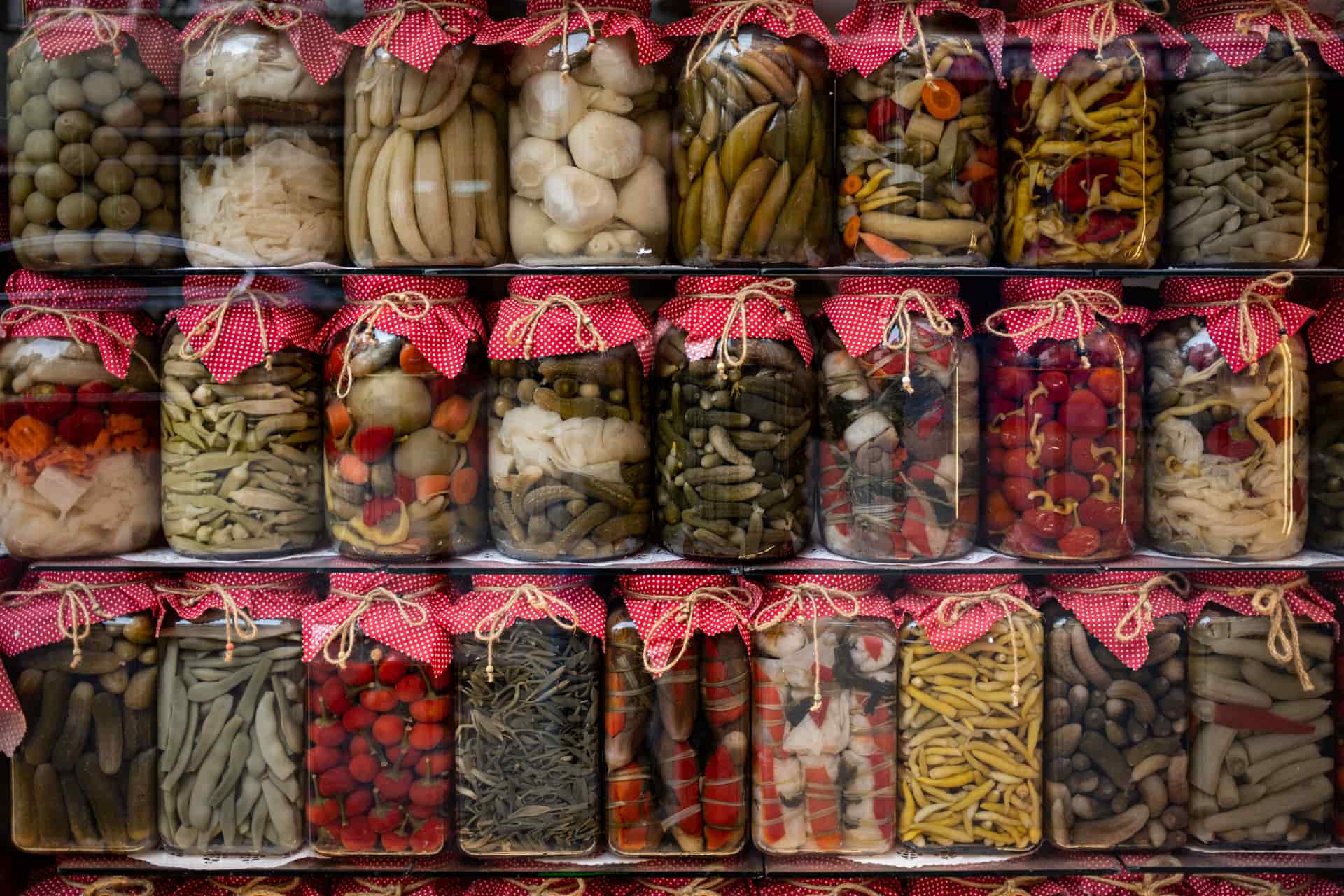
Start with vegetables if
You want a result before you lose interest
Cheaper to start, about a week to a first edible jar, and the failure modes are visible rather than mysterious. A jar of sauerkraut that works is a genuine win in week one.
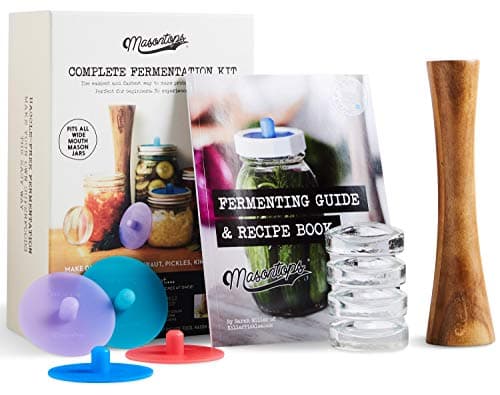
Masontops Complete Mason Jar Fermentation Kit
#ad Disclosure · Price as of October 17, 2026
Start with sourdough if
Bread is the actual thing you want
There is no point fermenting cabbage as a warm-up for a hobby you want to be about bread. It costs more and takes longer, and it is worth it if bread is the goal.
The comparison, in the order the decision is made
| Vegetables | Sourdough | |
|---|---|---|
| Kit to buy | A jar, an airlock lid, a weight | A scale, a jar, a heavy lidded pot |
| Time to a first result | About 5-10 days | About 2 weeks to an active starter, then a bake |
| Ingredients | Cabbage and salt | Flour, water and time |
| Commonest failure | Something floated above the brine and grew mold | The loaf came out flat and dense |
| How obvious the failure is | Very — you can see it and smell it | Not at all — the cause is usually hours earlier |
| Ongoing commitment | None between batches | A feed every day, or a fridge routine |
Why vegetables are the gentler start
The difference that matters is diagnosability. When a jar of sauerkraut goes wrong, the reason is nearly always sitting on top of the brine where you can see it: a shred of cabbage floated up, met air, and grew something. The fix is a weight, and you understand the whole causal chain in one glance.
When a sourdough loaf goes wrong, the cause was six hours earlier and is invisible. Underproofed and overproofed loaves can look similar coming out of the oven and the corrective actions are opposite. That is a genuinely harder feedback loop for a beginner, and it is why the January drop-off in sourdough is steeper.
There is also no daily obligation. A finished jar of kraut goes in the fridge and asks nothing further of you. A starter wants feeding, which is the commitment most people quietly stop making in February. Our feeding and storing guide covers how to reduce that to a weekly fridge routine.
Why sourdough is still the better hobby
Vegetables are easier and bread is more interesting. A ferment is a one-decision project: shred, salt, weight, wait. Sourdough has a dozen decision points and each of them visibly changes the loaf, which is why people who get past the first month tend to stay for years.
It is also the one with a genuine equipment learning curve, which is most of what this site is about. Start where you like; just do not start sourdough expecting a result in week one.
Doing both
They overlap more than you would think. The same wide-mouth quart mason jar is a starter vessel one week and a kraut jar the next. Buy jars once, buy airlock lids for the vegetable side, and the incremental cost of adding the second project is small. The overlap is worked out fully in what a complete first setup costs.
Frequently asked
Questions
+What is the easiest thing to ferment at home?
Sauerkraut. Cabbage, salt, a jar and a weight, with no starter culture to buy or keep alive. It is edible in about a week and the process is visible the whole time.
+Is sourdough harder than fermenting vegetables?
Yes, mainly because the feedback is delayed. A vegetable ferment shows you what went wrong on the surface of the jar; a flat loaf gives you no information about which of the previous six hours caused it.
+Can I use the same jars for both?
Yes. A wide-mouth quart mason jar works as a starter vessel and as a fermenting jar. The vegetable side needs an airlock lid and a weight on top of the jar itself.
Read next