Hub 01 · Start Here
The easiest foods to ferment
Five vegetables that are hard to get wrong, ranked by how forgiving they are of a beginner's mistakes. All of them need the same jar and the same salt.
We earn a commission if you buy through our links, at no extra cost to you. We have not tested this equipment. Here is what we did instead.
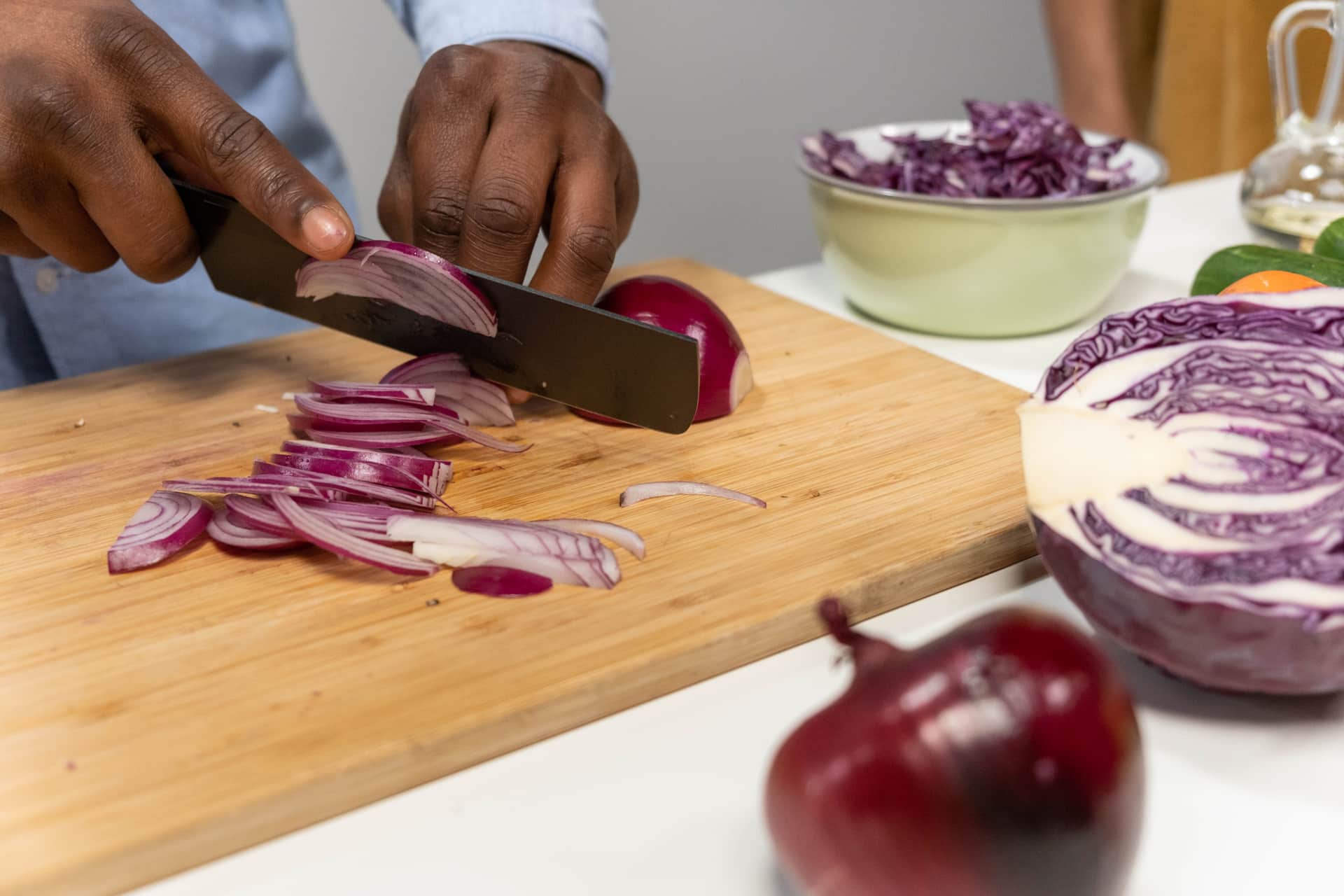
- Cabbage, shredded into sauerkraut. Makes its own brine and packs down tight.
- Carrots, cut into sticks in a salt brine. Dense, sweet and almost impossible to make mushy.
- Radishes, halved or sliced in brine. Fast, and they turn a color that tells you it is working.
- Cucumbers, small ones, whole in brine. Real sour pickles, with one texture caveat below.
- Hot peppers, in brine and then blended into hot sauce. The most rewarding relative to effort.
What makes a vegetable easy to ferment
Three things, and they explain the whole list:
- It stays under the brine. Dense vegetables sink and pack. Light, airy or leafy things float, and anything above the liquid is where a ferment goes wrong.
- It holds its texture. Firm vegetables stay crisp through a week or two of fermentation. High-water, soft-fleshed ones collapse.
- It tells you what is happening. Bubbles, a color change, a smell that shifts from raw to sour. Feedback in the first three days is what keeps a beginner going.
1. Cabbage
The classic first ferment, and it is first for a mechanical reason: salted cabbage releases enough liquid to submerge itself, so you never have to mix a brine. Shred it, weigh it, salt it, work it until it is wet, pack it down.
It is ready to taste in about a week and good for several more. The full method is in how to make sauerkraut in a mason jar.
2. Carrots
Cut into sticks or coins, dropped into a salt brine, weighted down. Carrots are dense enough to sink, sweet enough that the result is pleasant even under-fermented, and firm enough that they stay crunchy for weeks. Adding a little garlic and dill makes something that disappears fast.
Where cabbage makes its own brine, carrots need one mixed at the ratio given by a tested recipe. That is the only extra step.
3. Radishes
Radishes ferment quickly and change color dramatically as they do, which makes them the most reassuring thing on this list for a nervous first-timer. Halve them, brine them, and taste after four or five days.
Their one quirk is the smell, which is more sulfurous than other vegetables in the first days. It is normal and it fades.
4. Cucumbers
Genuine sour pickles — fermented in brine rather than poured over with vinegar, which is a completely different process explained in fermentation vs pickling.
The caveat is texture. Cucumbers go soft more readily than anything else here, particularly in a warm room or if the blossom end is left on. Use small, firm pickling cucumbers, trim the blossom end, keep them cool, and taste early.
5. Hot peppers
Chilies in a brine for one to three weeks, then blended, and you have a fermented hot sauce that tastes like something you would pay for. It is the highest ratio of result to effort in home fermentation and it needs no special equipment.
Two practical notes: wear gloves when handling large quantities of hot chilies, and blend in a well-ventilated room.
What to leave until later
- Soft fruit. Berries and stone fruit ferment fast and turn to mush faster. They are a project for after you know what normal looks like.
- Leafy greens on their own. They float, they wilt to nothing, and there is not enough substance to hold under a weight.
- Anything in oil. Garlic or vegetables preserved in oil is a different preparation with a different and much less forgiving safety profile. It is not a beginner project and it is not covered on this site.
- Large batches. Not a food, but the commonest first mistake. A failed quart is a disappointment; a failed gallon is a week of work and a large amount of cabbage.
What all five need
The same three objects: a wide-mouth jar, a lid that lets gas out without letting air in, and something to hold the vegetables under the brine. That is the entire equipment list, and it is set out with the reasoning in what you actually need to start fermenting vegetables.
If you do not own a weight yet, a folded cabbage leaf and a small jar will do — the alternatives are here.
What about drinks?
If you want the fastest result of all, milk kefir beats every vegetable on this page: grains in milk, covered, on the counter, drinkable the next day. It is easier than sauerkraut and it is a daily habit rather than a weekly one, which suits some people and not others — the method is here.
Kombucha is the one to leave until second. It needs a SCOBY, a longer timeline and a second fermentation in bottles, which is more moving parts than a jar of carrots.
Frequently asked
Questions
+What is the easiest thing to ferment for a beginner?
Cabbage, as sauerkraut. Salted shredded cabbage releases its own brine, so there is no liquid to mix, and it packs down tightly enough to stay submerged. Carrot sticks in brine are a close second.
+How long does a first vegetable ferment take?
Usually about a week to something worth tasting, and a few weeks to a developed flavor. Radishes and thin-cut vegetables move faster; a packed jar of cabbage in a cool room takes longer.
+Which vegetables should I not ferment first?
Soft fruit and leafy greens on their own. Fruit turns to mush quickly and greens float and wilt, so neither gives you a clear picture of what a healthy ferment looks like. Anything preserved in oil is a different process altogether and not a beginner project.
+Do different vegetables need different amounts of salt?
Ratios vary by recipe and by whether the vegetable makes its own brine or sits in one you mixed. Take the figure from a tested recipe published by a food safety authority rather than estimating it — salt is the control in this process, not a seasoning.
Sources
Where the facts on this page came from
Read next