Hub 04 · Fermenting Vegetables
Fermentation vs pickling
Both make sour vegetables that keep. One does it with living bacteria and salt; the other does it with vinegar. That single difference explains everything else.
We earn a commission if you buy through our links, at no extra cost to you. We have not tested this equipment. Here is what we did instead.
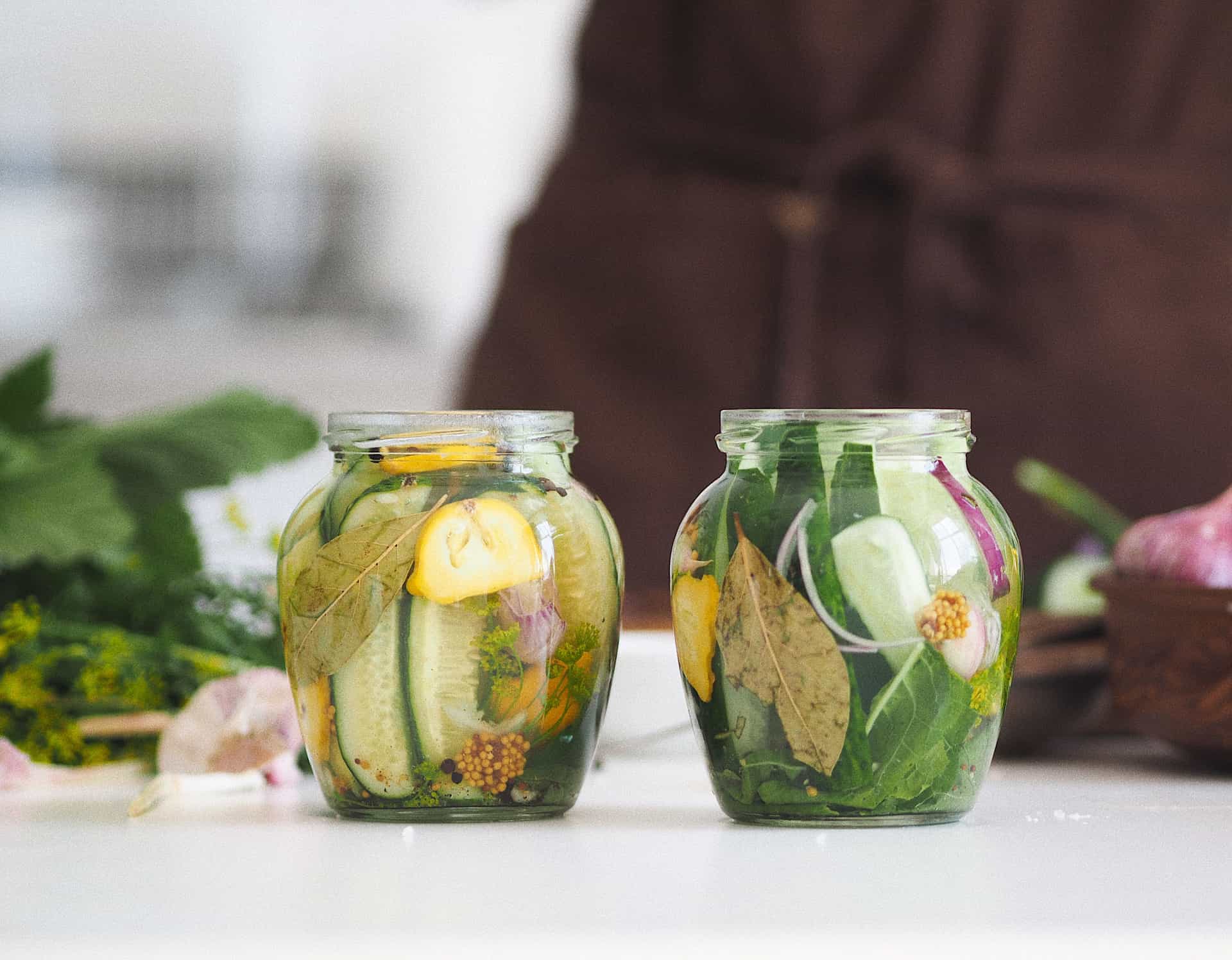
| Fermenting | Pickling | |
|---|---|---|
| What preserves it | Acid produced by bacteria in the jar | Vinegar added from a bottle |
| Does it need salt | Yes — salt is the mechanism | Optional, for flavor |
| Is it alive | Yes, during and after fermentation | No |
| Time to ready | Days to weeks | Hours to days |
| Equipment | Jar, airlock lid, weight | Jar and a lid |
| Storage | Fridge slows it; it keeps changing | Shelf-stable if properly processed |
| Taste | Complex, develops over time | Sharp, consistent, set at the start |
Ferment if
You want it alive and complex
Sauerkraut, kimchi and sour dill pickles are ferments. The flavor develops over days and keeps developing in the fridge. You need a weight and a lid that vents.
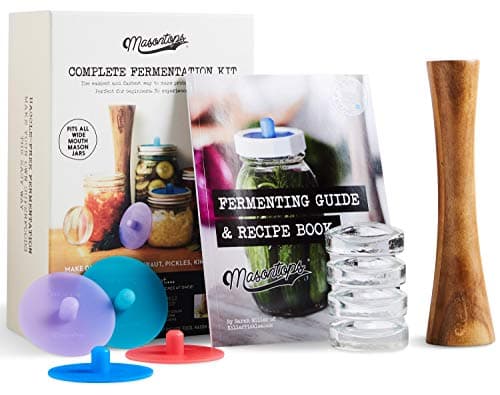
Masontops Complete Mason Jar Fermentation Kit
#ad Disclosure · Price as of October 17, 2026
Pickle if
You want it tomorrow
Vinegar pickles are ready in hours and taste the same on day one and day thirty. No special equipment, no waiting, no judgment calls about whether it is working.
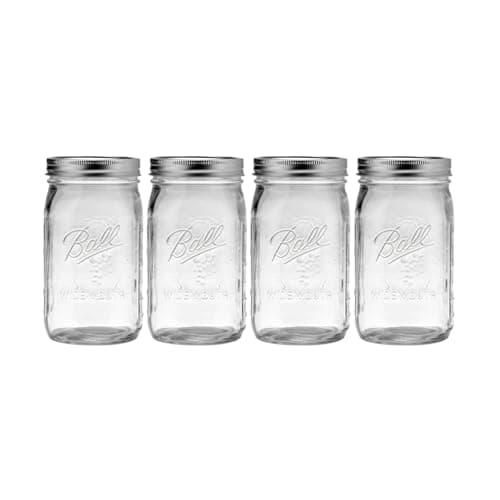
Wide-mouth quart mason jar
#ad Disclosure · Price as of October 17, 2026
The confusion is a naming problem
“Pickle” in everyday speech means any sour preserved vegetable, so a jar of fermented dill cucumbers and a jar of vinegar-brined cucumbers are both called pickles. They are made by completely different processes.
The useful distinction: where does the acid come from? If bacteria in the jar produced it, that is a ferment. If it came out of a bottle of vinegar, that is a pickle.
What fermenting is actually doing
Salt draws water out of the vegetables to make a brine, and it suppresses most organisms while allowing salt-tolerant lactic acid bacteria to work. Those bacteria consume sugars in the vegetables and produce acid. As the acidity rises, the environment becomes hostile to spoilage organisms — the ferment preserves itself.
That is why salt ratio matters so much, and it is the one number in this hobby worth getting from a properly sourced guide rather than from memory. See how to make sauerkraut in a jar.
What pickling is doing
Adding acid directly. There is no biological process to manage — the vinegar arrives already sour enough that spoilage organisms cannot establish. That is why it is fast and why it needs no airlock, no weight and no waiting.
Shelf-stable canned pickles are a separate matter again, involving heat processing and recipes tested for safety. That is canning, and it has its own rules that should come from a tested source.
Which is safer?
Both are safe when done correctly, and both have failure modes. A vinegar pickle is more predictable because the acidity is set at the start rather than developing. A ferment tells you loudly when it has gone wrong — the surface shows it and the smell changes.
Our fuller treatment, with the authorities to check, is in is fermenting vegetables safe.
Frequently asked
Questions
+What is the difference between fermenting and pickling?
Fermenting preserves vegetables with acid produced by bacteria living in the jar, using salt as the control. Pickling preserves them with vinegar added from a bottle. Fermented food is alive; a vinegar pickle is not.
+Are pickles fermented?
Some are. Traditional sour dill pickles are fermented in salt brine; most supermarket pickles are made with vinegar and are not fermented. The word covers both processes, which is where the confusion comes from.
+Can you ferment with vinegar?
No. Adding vinegar at the start suppresses the bacteria that do the fermenting, so you end up with an under-soured pickle rather than a ferment. Choose one process.
+Which is faster, fermenting or pickling?
Pickling, by a wide margin. A vinegar pickle is ready in hours; a vegetable ferment takes days to weeks depending on temperature and what you are fermenting.
Read next