Hub 03 · Sourdough Baking Gear
Best banneton proofing baskets
This category is sold almost entirely unbranded, so the real decision is material and size, not maker. Here is how to choose on both.
We earn a commission if you buy through our links, at no extra cost to you. We have not tested this equipment. Here is what we did instead.
Quick picks
Tap a row for the full write-up · Prices open on Amazon
| # | Product | Best for | Price |
|---|---|---|---|
| 01 | 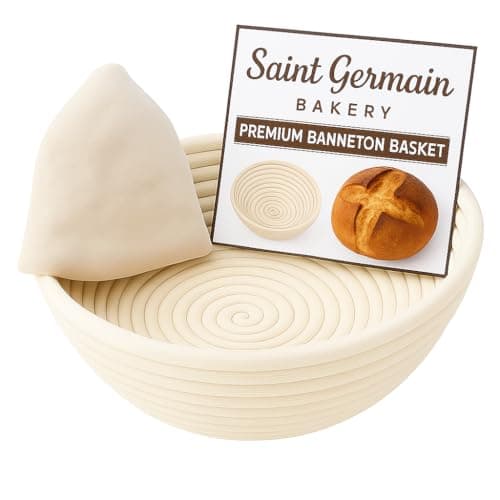 9-inch round rattan banneton with linen liner The default. | A standard 900g boule | |
| 02 | 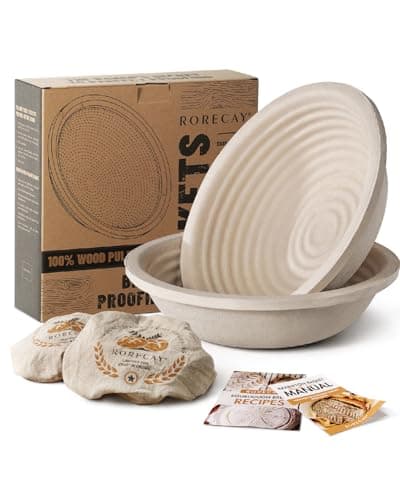 Wood-pulp (spruce) proofing basket Pressed wood pulp instead of coiled cane. | Anyone who hates cleaning cane | $19.99 · View on Amazon
|
| 03 | 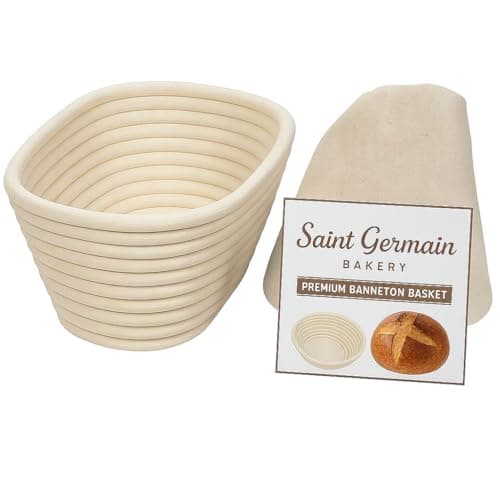 10-inch oval rattan banneton The same cane basket in the shape a batard proofs in. | Batards and sandwich loaves | |
| 04 | Banneton set with lame, scraper and liner The bundle almost every beginner ends up with: a basket, a liner, a plastic bench scraper and a cheap lame with spare blades. | Buying the shaping kit at once |
#ad · We earn a commission on Amazon purchases. Prices come from Amazon and change.
Almost every proofing basket on the market is the same coiled cane bowl with a different seller’s name on the packaging. We have found no honest way to rank them by brand, so we have not pretended to — one competitor “tested” twenty-six of these and ranked them, which is a claim nobody can check.
What actually decides your purchase is material, shape and size. Those are checkable, so that is what this page is about.
What a banneton is for
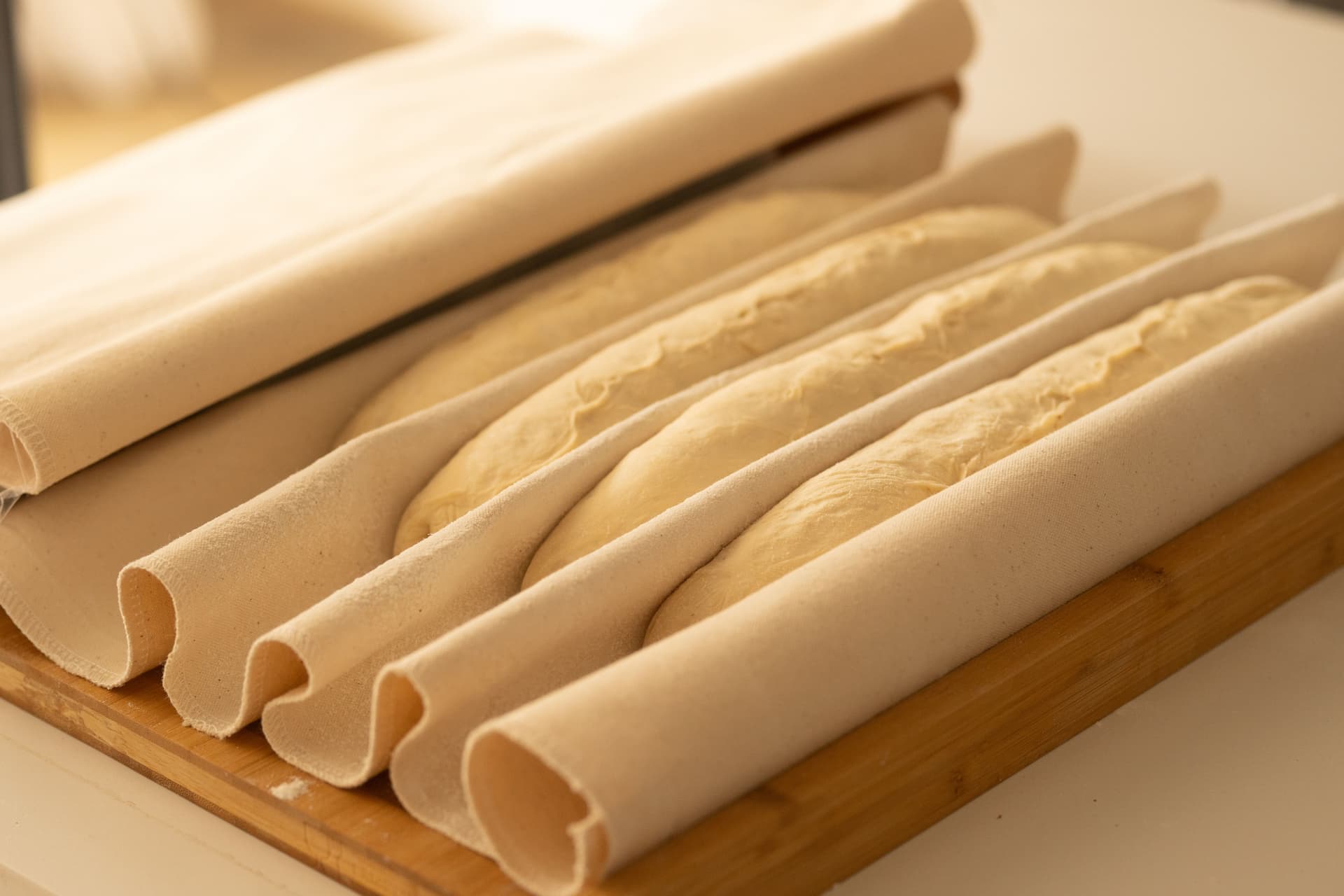
Two things. It holds a shaped loaf in a shape while it proofs, and its surface wicks moisture off the skin of the dough so the loaf develops a dry surface that scores cleanly. A bowl and a floured tea towel do the first job and only part of the second, which is the whole argument in banneton versus bowl.
Rattan or wood pulp?
Rattan is the coiled cane basket everyone pictures. The spiral leaves the ring pattern on the loaf. It is more absorbent, which helps at high hydration, and its coils trap wet dough, which makes cleaning a real chore and mold a real risk if you put it away damp.
Wood pulp — the European brotform style — is a smooth pressed bowl. Nothing to trap dough, dries fast, no liner needed. You lose the ring pattern, which is the only reason most people still buy rattan.
If you care how the loaf looks, buy rattan. If you know yourself well enough to know you will put it away damp, buy wood pulp.
Size: 9 inches, round
A 9-inch round basket is listed for around 900g of dough, which is what a typical beginner recipe using about 500g of flour produces. That is the size nearly every recipe assumes.
An 8-inch basket suits a smaller loaf and a 10-inch oval suits a batard. Buy one shape first. Buying both at once is on our list of things beginners waste money on, because almost everybody makes the same round loaf twenty times before wanting the second shape.
The liner question
A linen or cotton liner drops into the basket and gives a smooth-sided loaf with no ring pattern. It also keeps most of the dough out of the cane, which makes cleaning much easier.
Buy a basket that includes one and you own both finishes: liner in for smooth, liner out for rings. It is the cheapest way to get two baskets’ worth of results.
Flour for the basket
Rice flour, if you can get it. It does not absorb water the way wheat flour does, so it stays as a powder between the dough and the cane rather than turning into paste. This is the single tip that most reduces the number of loaves that stick, and it costs almost nothing.
Every pick, in order
The full write-ups
Pick 01 · A standard 900g boule
9-inch round rattan banneton with linen liner
Type pick -- sold by many sellers
The default. Nine inches across takes a loaf made from roughly 500g of flour, and the cane spiral leaves the ring pattern most people picture when they picture sourdough. Buy it with a liner and you own both finishes.
Material
Coiled rattan cane
Size
9 in diameter, listed for around 900g of dough
Shape
Round (boule)
Liner
Removable linen or cotton liner, usually included
Specs compiled from: Product-type description; capacity and material as listed by sellers
What is good
- The size most beginner recipes are written around
- Cane wicks moisture off the skin of the dough, which is the whole point of a basket
- The liner turns the same basket into a smooth-sided proofing bowl
What is not
- Rattan must be dried thoroughly after every use or it will grow mold
- Cheap examples shed cane splinters into the flour on the first few uses
- A 9-inch basket is genuinely too big for a half-batch loaf
#ad Disclosure · Price as of October 17, 2026
Pick 02 · Anyone who hates cleaning cane
Wood-pulp (spruce) proofing basket
Type pick -- European brotform style
Pressed wood pulp instead of coiled cane. It has no spiral to fill with dough, dries faster, and gives a smooth-sided loaf. You lose the ring pattern, which is the only reason most people still buy rattan.
Material
Pressed wood pulp / spruce
Surface
Smooth, no coil ridges
Shape
Round and oval both sold
Care
Brush out dry; no liner needed
Specs compiled from: Product-type description; capacity and material as listed by sellers
What is good
- Nothing to trap wet dough, so cleaning is a brush and a dry shelf
- Dries much faster than cane, which is the real mold variable
- Usually cheaper than an equivalent cane basket with a liner
What is not
- No spiral pattern on the finished loaf
- Less absorbent than cane at very high hydration
- Fewer sizes on the shelf than rattan
Pick 03 · Batards and sandwich loaves
10-inch oval rattan banneton
Type pick -- sold by many sellers
The same cane basket in the shape a batard proofs in. If you want loaves you can slice into sandwich-sized pieces rather than wedges, this is the one to own, and most people end up owning both shapes.
Material
Coiled rattan cane
Size
About 10 x 6 in, listed for around 900g of dough
Shape
Oval (batard)
Liner
Oval liner, usually included
Specs compiled from: Product-type description; capacity and material as listed by sellers
What is good
- Produces a loaf shape that slices into usable sandwich bread
- Fits a shallow oval pan or a lidded roaster better than a round basket does
- Same care and same price band as the round version
What is not
- Awkward in a round Dutch oven -- the ends touch the wall
- Slightly harder to shape into than a round, for a first loaf
- Same mold risk as any cane basket
#ad Disclosure · Price as of October 17, 2026
Pick 04 · Buying the shaping kit at once
Banneton set with lame, scraper and liner
Type pick -- beginner bundle
The bundle almost every beginner ends up with: a basket, a liner, a plastic bench scraper and a cheap lame with spare blades. The tools are unremarkable individually and the bundle is usually cheaper than the basket alone plus a lame.
Contents
Basket, liner, bench scraper, lame with spare blades
Basket size
Usually 9 in round
Lame
Plastic or basic wood handle with replaceable blades
Blades
Standard double-edge razor blades
Specs compiled from: Product-type description; capacity and material as listed by sellers
What is good
- One purchase covers proofing, shaping and scoring
- Frequently cheaper than the basket plus a separate lame
- The scraper is the tool beginners most often forget to buy
What is not
- The included lame is the first thing you will replace
- You may already own a bench scraper
- Bundles vary a lot; read what is actually in the box
How we picked
We have not tested any of this equipment. What we did instead: compiled the published specifications from each manufacturer’s own listing, checked them against the task a beginner is actually trying to do, read the care instructions, and named the thing we would skip. Where a pick is a product type rather than a brand, it is because the category is sold mostly unbranded and the type is the real decision.
Frequently asked
Questions
+What size banneton do I need?
A 9-inch round basket, listed for around 900g of dough. That matches the loaf a standard beginner recipe using about 500g of flour produces, which is what most recipes assume.
+Do you need a banneton for sourdough?
No. A mixing bowl lined with a floured tea towel holds the shape. A banneton does the job better because the cane wicks moisture off the dough’s surface, which makes scoring cleaner.
+How do you clean a banneton?
Knock out the loose flour, let it dry completely in the open air, then brush it with a dry stiff brush. Do not soak it — a saturated cane basket put away damp is the usual route to mold.
+Why does my dough stick to the banneton?
Usually wheat flour turning to paste against the wet dough. Dust the basket with rice flour instead — it absorbs much less water and stays powdery between the dough and the cane.
Read next