Hub 03 · Sourdough Baking Gear
Best bread couche
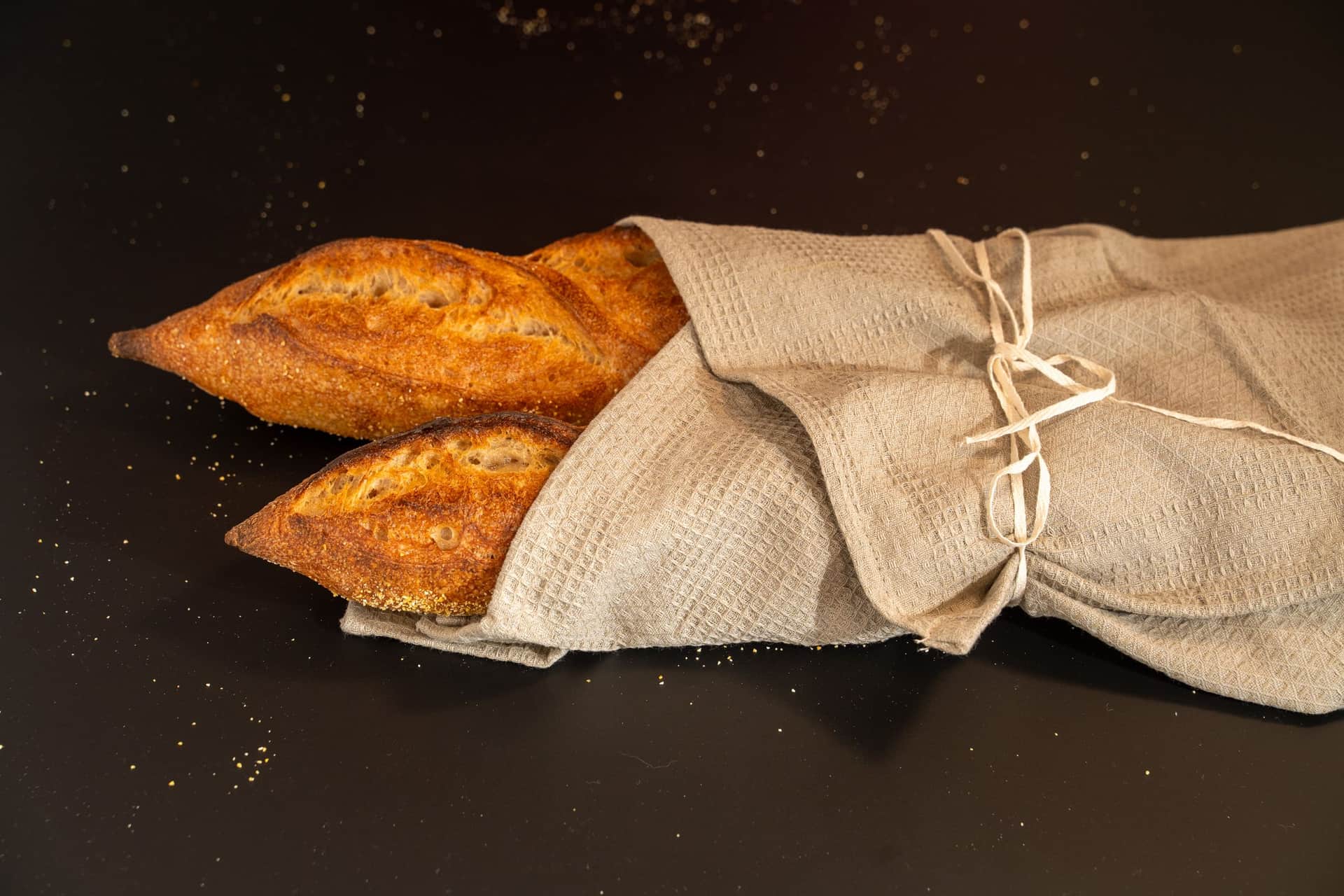
A couche is flax linen for a reason. Cotton is sold under the same name and behaves differently against wet dough.
We earn a commission if you buy through our links, at no extra cost to you. We have not tested this equipment. Here is what we did instead.
Quick picks
Tap a row for the full write-up · Prices open on Amazon
| # | Product | Best for | Price |
|---|---|---|---|
| 01 | 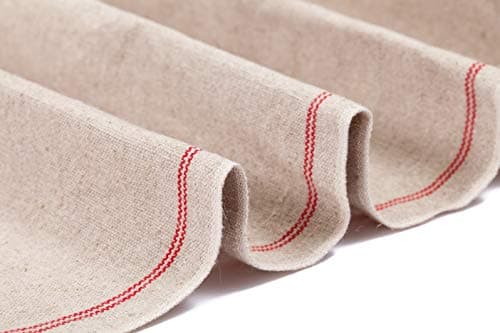 Saint Germain Bakery Couche, 35 x 26 inch, French Flax Linen Unbleached, untreated flax linen imported from France and hemmed in the USA, in the large size that takes several baguettes at once. | Buying the real thing once | |
| 02 | 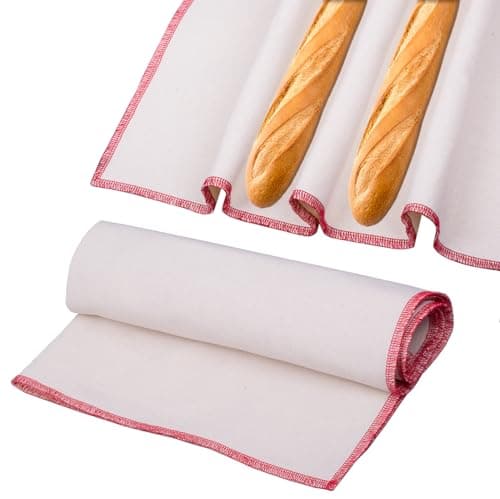 OULLYY Bakers Couche, 23 x 26 inch, Flax Linen The same material as the French import in a medium size for a fraction of the money. | Flax linen at the lowest price | |
| 03 | 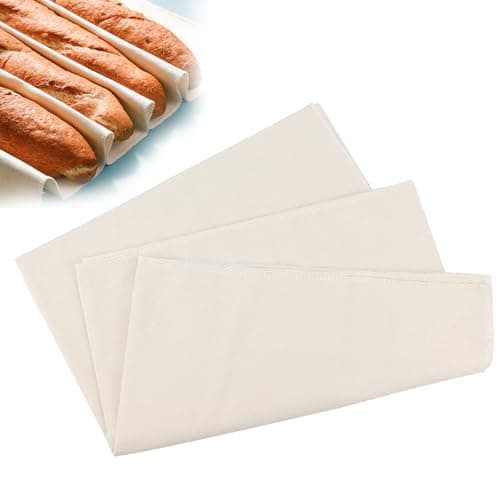 ZJIVQO Natural Linen Bakers Couche, 47 x 27 inch The largest couche here by a distance at nearly four feet long, in linen, for less than the French import. | The most cloth for the money | |
| 04 | 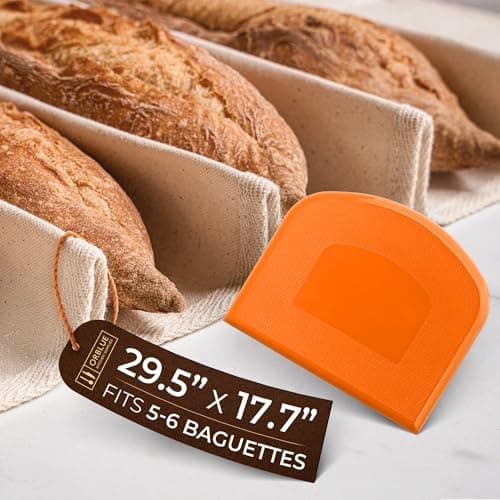 Orblue Bakers Couche, 29.5 x 17.7 inch, Cotton This one is 100% cotton rather than linen, and it is on the page to make that distinction visible. | Knowing what you are buying |
#ad · We earn a commission on Amazon purchases. Prices come from Amazon and change.
A couche is a heavy cloth you pleat into folds to hold long loaves while they proof. The folds stop a baguette spreading sideways, and the cloth wicks just enough moisture from the surface to help a crisp crust form.
It is one of the few pieces of bread equipment with no real substitute. A banneton holds a round loaf; a couche holds a long one. If you shape baguettes, batards or ciabatta, nothing else does this job.
Linen or cotton
This is the decision, and it is obscured by the fact that both get sold as “bakers couche”. Traditional couches are flax linen. Several of the cheapest listings are 100% cotton.
Linen has a stiffer, coarser weave. It holds a dusting of flour in the surface and releases wet dough more readily, and it holds a pleat — which matters, because the fold has to stay standing to support the loaf. Cotton is softer, absorbs more readily and slumps more, which makes it both stickier against dough and less able to hold a crease.
Cotton is not unusable. It is a compromise, and the only real problem is buying it without knowing. One pick here is cotton and is labeled as such precisely so the difference is visible.
How we judged these
- Fiber, first and by a distance. Flax linen or cotton. The listing should say; if it does not, assume cotton.
- Size against your oven and counter. A couche only needs to be as long as your loaves and wide enough for the folds. Professional sheets are wider than most home counters.
- Whether the edges are hemmed. A raw-cut cloth frays, and the threads end up in your dough. Hemming is cheap and not universal.
- Whether it is treated or bleached. Untreated, unbleached linen is the traditional specification. Treatments can affect how the cloth takes flour.
- Honesty of the listing. Several of these describe the same cloth as both linen and cotton in different bullets. That is a reason for caution, and we say so where it happens.
What size do you actually need?
Less than the professional sheets suggest. A couche needs to be a little longer than your loaves and wide enough that you can pleat a fold between each one and still have cloth at both ends.
For two or three home-oven baguettes, something around 23 to 26 inches wide is plenty. The 35-inch and 47-inch sheets are for people shaping five or six at a time, and in a domestic kitchen the extra cloth mostly ends up folded over on itself. Buy for your oven, not for the photograph of a bakery bench.
How to use one
- Flour it generously. Rub flour into the weave rather than sprinkling it on top. The same logic as a banneton applies: rice flour or a rice blend releases far better than bread flour.
- Pleat a fold, then lay a loaf. Seam side up. Pull a fold of cloth up against the loaf, then lay the next one against it.
- Support the ends. A rolled towel or a baking sheet at each end stops the whole arrangement sliding apart as the dough relaxes.
- Transfer with a flip board or a peel. Roll each loaf out of its fold rather than lifting it, which preserves the shape you built.
- Let the cloth dry before folding it away. Damp linen in a drawer is how a couche goes moldy.
The short version
Buy flax linen, not cotton, and check the listing says so explicitly. Buy a medium size unless you bake five baguettes at a time. Flour it hard, never wash it, and let it dry completely before it goes in a drawer.
Every pick, in order
The full write-ups
Pick 01 · Buying the real thing once
Saint Germain Bakery Couche, 35 x 26 inch, French Flax Linen
Saint Germain Bakery
Unbleached, untreated flax linen imported from France and hemmed in the USA, in the large size that takes several baguettes at once. Linen is not a preference here -- it is what a couche is supposed to be, and the reason it works is in the fiber.
Material
100% natural flax linen, untreated and unbleached
Size
35 x 26 inches
Origin
Linen imported from France, tailored in the USA
Included
Storage bag
Specs compiled from: Manufacturer product listing and product name
What is good
- Genuine untreated flax linen, which holds a flour layer the way cotton does not
- Large enough for several baguettes or a couple of batards in folds
- Hemmed edges, which is what stops a cloth fraying into your dough
What is not
- Three times the price of the budget linen couches here
- Untreated linen sheds a little lint on its first few uses
- Large size is unwieldy if you only ever shape one loaf
#ad Disclosure · Price as of October 17, 2026
Pick 02 · Flax linen at the lowest price
OULLYY Bakers Couche, 23 x 26 inch, Flax Linen
OULLYY
The same material as the French import in a medium size for a fraction of the money. If you are not sure you will use a couche often enough to justify the premium one, this is the honest way to find out without buying cotton by mistake.
Material
100% natural flax linen
Size
23 x 26 inches
Type
Medium couche
Use
Baguettes, loaves, ciabatta
Specs compiled from: Manufacturer product listing and product name
What is good
- Real flax linen rather than cotton, at a budget price
- Medium size suits a home oven better than a full professional sheet
- Cheap enough to treat as a consumable if it goes wrong
What is not
- Twenty-three inches limits you to two or three baguettes
- Unbranded linen with no stated weight or weave density
- Budget hems are the first thing to fray
#ad Disclosure · Price as of October 17, 2026
Pick 03 · The most cloth for the money
ZJIVQO Natural Linen Bakers Couche, 47 x 27 inch
ZJIVQO
The largest couche here by a distance at nearly four feet long, in linen, for less than the French import. Size is genuinely useful with a couche because the folds between loaves are what hold their shape, and more cloth means deeper folds.
Material
Natural linen
Size
47 x 27 inches
Use
Baguettes and long loaves
Format
Single sheet
Specs compiled from: Manufacturer product listing and product name
What is good
- Largest sheet here, so the folds can be deep enough to actually support dough
- Linen rather than cotton at a mid-range price
- One sheet handles a full batch of baguettes
What is not
- Forty-seven inches is more cloth than most home counters have room for
- The listing does not state whether the linen is treated or bleached
- Unbranded, with no information on weave weight
#ad Disclosure · Price as of October 17, 2026
Pick 04 · Knowing what you are buying
Orblue Bakers Couche, 29.5 x 17.7 inch, Cotton
Orblue
This one is 100% cotton rather than linen, and it is on the page to make that distinction visible. Cotton works -- it absorbs moisture and holds a flour layer well enough -- but it is a softer, stickier cloth than linen and it is not what a traditional couche is.
Material
100% cotton
Size
29.5 x 17.7 inches
Edges
Hemmed to prevent fraying
Use
Baguettes, loaves, ciabatta
Specs compiled from: Manufacturer product listing and product name
What is good
- Hemmed edges at a price where many cloths are raw-cut
- Cotton is softer to handle and easier to wash than linen
- Perfectly serviceable if you know it is cotton and not linen
What is not
- Cotton holds dough more readily than linen, which is the problem a couche exists to solve
- Softer weave means the folds support dough less well
- Smallest sheet here, so two baguettes is the realistic limit
#ad Disclosure · Price as of October 17, 2026
How we picked
We have not tested any of this equipment. What we did instead: compiled the published specifications from each manufacturer’s own listing, checked them against the task a beginner is actually trying to do, read the care instructions, and named the thing we would skip. Where a pick is a product type rather than a brand, it is because the category is sold mostly unbranded and the type is the real decision.
Frequently asked
Questions
+What is a bread couche used for?
Holding long loaves while they proof. You pleat the cloth into folds and lay each baguette or batard in a fold, so it cannot spread sideways. The cloth also wicks a little surface moisture, which helps the crust.
+Should a couche be linen or cotton?
Linen. Flax linen has a stiffer weave that holds flour in the surface, releases wet dough better and holds a pleat standing. Cotton is softer, stickier against dough and slumps. Plenty of cloths sold as couches are cotton, so check the listing.
+What size couche do I need?
Around 23 to 26 inches wide is plenty for two or three home-oven baguettes. The 35-inch and larger sheets are for shaping five or six at a time and mostly end up folded over in a domestic kitchen.
+How do you clean a bread couche?
Scrape off dry dough, shake out the flour and hang it to air completely. Do not wash it as routine — the flour worked into the weave is what stops dough sticking, and washing strips it. After an unavoidable wash, expect several sticky bakes while the seasoning rebuilds.
+Can I use a tea towel instead of a couche?
For an occasional loaf, a heavy unwashed linen tea towel is the closest substitute. A terry or soft cotton towel is not — it sticks and will not hold a fold. If you shape long loaves regularly, a real couche is inexpensive and genuinely better.
Read next