Hub 03 · Sourdough Baking Gear
Best bread lames
They all hold the same double-edge razor blade. The only thing a handle does is hold that blade rigid, and a cheap one does it adequately.
We earn a commission if you buy through our links, at no extra cost to you. We have not tested this equipment. Here is what we did instead.
Quick picks
Tap a row for the full write-up · Prices open on Amazon
| # | Product | Best for | Price |
|---|---|---|---|
| 01 | 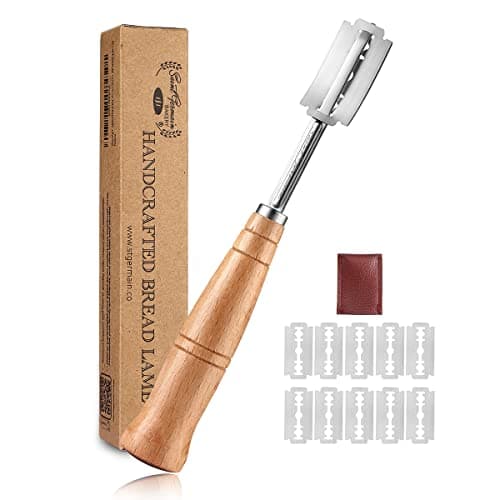 Basic lame with replacement blades A plastic or wood handle and a packet of double-edge blades for a few dollars. | Scoring your first loaves | $7.64 · View on Amazon
|
| 02 | Wire Monkey UFO lame A wooden handle that holds a standard double-edge razor blade at a set curve. | A blade you will keep | |
| 03 | 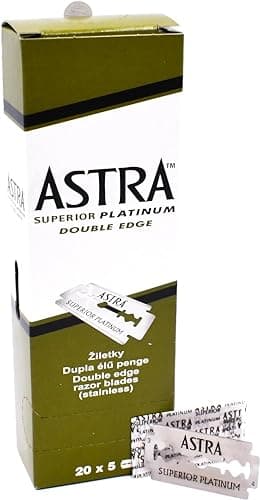 Double-edge razor blades (bulk pack) A pack of double-edge razor blades snapped in half and slid onto a coffee stirrer or a bamboo skewer is what a lot of bakeries actually use. | Never buying a lame at all | $8.88 · View on Amazon
|
#ad · We earn a commission on Amazon purchases. Prices come from Amazon and change.
Here is the thing that makes this an unusual roundup: nearly every bread lame sold holds the same object — a standard double-edge safety razor blade, the kind sold in packs of a hundred for a few dollars. The blade does the cutting. The handle holds it.
So the ranking is about handles, and we have put the cheap one first, because for most people it is the right buy.
What a handle actually has to do
- Hold the blade rigid. A blade that flexes under pressure makes a shallow, wandering cut instead of a clean one. This is the only functional requirement.
- Let you work at a low angle. An ear forms when the blade goes in at a shallow angle, almost parallel to the loaf, cutting a flap rather than a trench.
- Change blades without cutting you. Blades dull, and the change is the moment the design either helps or does not.
That is it. Everything else — the wood, the finish, the shape — is how it feels, not what it does.
Curved or straight?
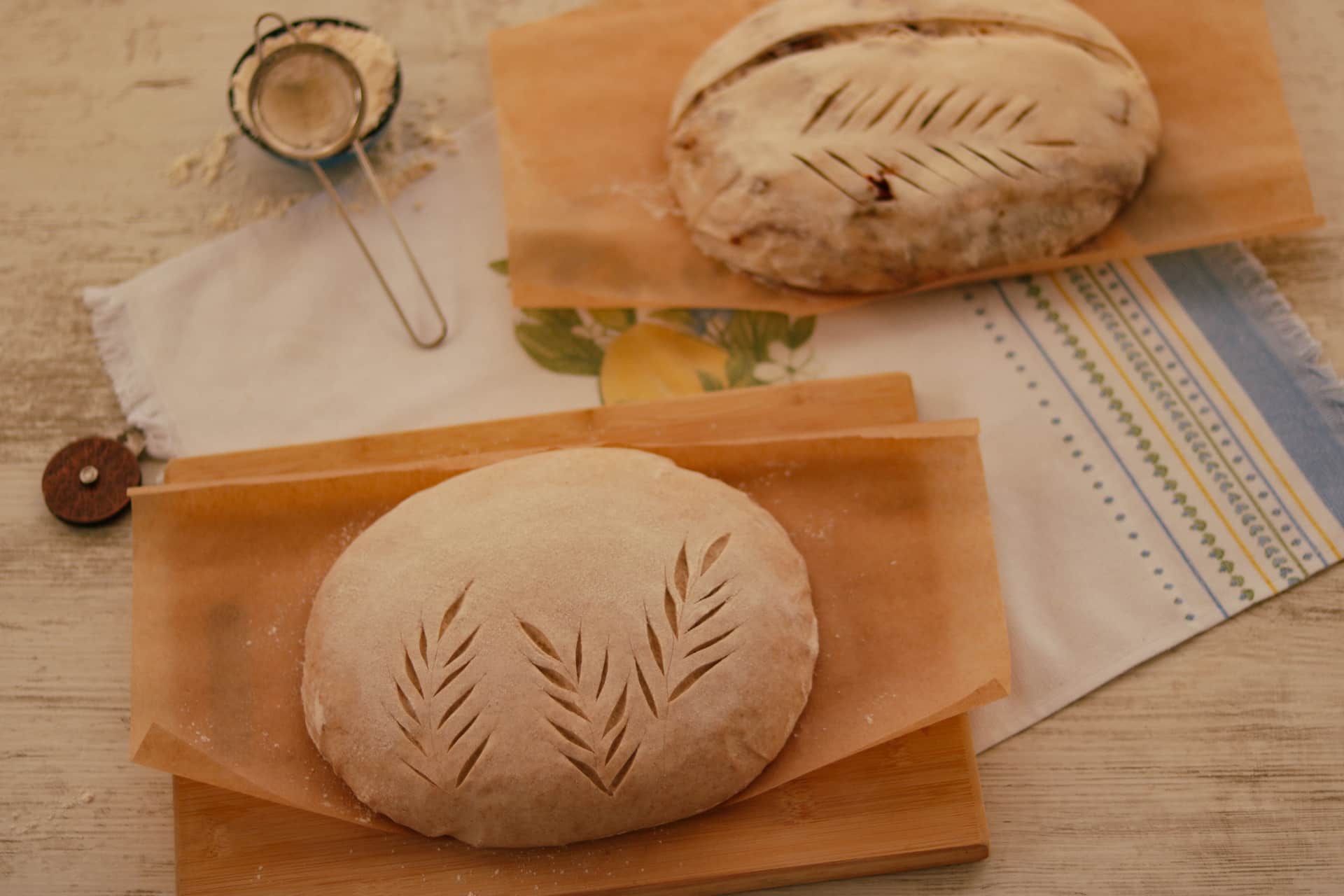
A blade bowed into a curve cuts a shallower, wider flap and is what most people mean by an ear. A blade held flat makes a straight, deeper slash. Decorative scoring wants flat; a classic single ear wants curved.
Cheap lames often let you use either by how you seat the blade. Some premium ones fix the curve, which is a genuine trade-off rather than an upgrade.
The blade is a consumable
A dull blade drags and tears rather than cutting. Blades cost pennies, so change them far more often than feels necessary — a fresh blade every few bakes is not extravagant, it is the correct usage.
This is the main practical argument for a cheap lame: people who spent money on the handle are strangely reluctant to change the blade.
Safety, briefly and seriously
A double-edge razor blade is extremely sharp on two sides and small enough to disappear on a floury worktop. Snap it in half if your holder takes a half blade, wrap the unused portion, keep the packet closed, and do not leave loose blades in a kitchen drawer that children open. This is the one genuine hazard in a home bakery.
Do you need one at all?
For a first loaf, a very sharp thin knife works — badly, but it works. The difference is that a knife has a thick spine that drags through wet dough while a razor blade parts it. Once you have made a few loaves, the lame is the cheapest upgrade with a visible result.
Technique matters more than the tool here, and that is covered in how to score with a lame.
Every pick, in order
The full write-ups
Pick 01 · Scoring your first loaves
Basic lame with replacement blades
Type pick -- sold by many sellers
A plastic or wood handle and a packet of double-edge blades for a few dollars. It scores bread. Buy it, use it for a year, and only replace it if the handle flexes when you cut.
Blade
Standard double-edge razor blades
Handle
Plastic or basic wood
Included
Usually 5-10 spare blades
Storage
Often a small case or blade cover
Specs compiled from: Product-type description; capacity and material as listed by sellers
What is good
- Costs less than the flour for one bake
- Same commodity blade as the expensive ones
- Spare blades included, so it works out of the box
What is not
- A flexing handle makes a shallow, wandering cut
- Blade-change mechanisms at this price are fiddly
- No blade guard on some models -- respect that
Pick 02 · A blade you will keep
Wire Monkey UFO lame
Wire Monkey
A wooden handle that holds a standard double-edge razor blade at a set curve. It is a nicer object than the bundled plastic lame and it holds the blade rigidly, which is the only functional thing a handle does.
Blade
Standard double-edge razor blades
Handle
Wood
Blade change
Manual -- blade slides into the holder
Curve
Fixed curve for ear-forming cuts
Specs compiled from: Manufacturer product listing and product name
What is good
- Holds the blade genuinely rigid, so the cut does not wander
- Uses commodity double-edge blades, so replacements cost almost nothing
- Comfortable in the hand at the low angle scoring actually wants
What is not
- Many times the price of a bundled lame that also cuts bread
- Fixed curve -- you cannot run it flat for a straight slash
- Handling a loose razor blade to change it is a real, small hazard
Pick 03 · Never buying a lame at all
Double-edge razor blades (bulk pack)
Type pick -- commodity blades
A pack of double-edge razor blades snapped in half and slid onto a coffee stirrer or a bamboo skewer is what a lot of bakeries actually use. It costs almost nothing and cuts identically, because it is the identical blade.
Blade
Standard double-edge safety razor blades
Quantity
Usually sold in packs of 10-100
Handle
None -- improvise or use with a holder
Safety
Wrap the unused edge before handling
Specs compiled from: Product-type description; capacity and material as listed by sellers
What is good
- The cheapest possible route to a sharp curved cut
- Exactly the blade every purpose-built lame holds
- A fresh blade every bake, which no one does with an expensive lame
What is not
- Handling loose blades is the real cost here -- be deliberate
- No handle means no consistent angle until you make one
- Not a gift, and not something to leave in a drawer with children about
How we picked
We have not tested any of this equipment. What we did instead: compiled the published specifications from each manufacturer’s own listing, checked them against the task a beginner is actually trying to do, read the care instructions, and named the thing we would skip. Where a pick is a product type rather than a brand, it is because the category is sold mostly unbranded and the type is the real decision.
Frequently asked
Questions
+What blade does a bread lame use?
A standard double-edge safety razor blade — the same commodity blade sold for shaving. That is true of nearly every lame on the market, including the expensive ones, which is why the handle is what you are actually choosing.
+Do I need a bread lame?
Not for your first loaf; a very sharp thin knife will score it. A lame is better because the thin blade parts wet dough rather than dragging through it, and it is one of the cheapest upgrades available.
+How often should I change the blade?
Far more often than most people do. Blades cost pennies and a dull one tears the dough surface instead of cutting it. Every few bakes is reasonable.
Read next