Hub 03 · Sourdough Baking Gear
Why your sourdough sticks to the banneton
Wheat flour turns to paste against wet dough. Rice flour does not, because it has no gluten to hydrate. That is the whole fix.
We earn a commission if you buy through our links, at no extra cost to you. We have not tested this equipment. Here is what we did instead.
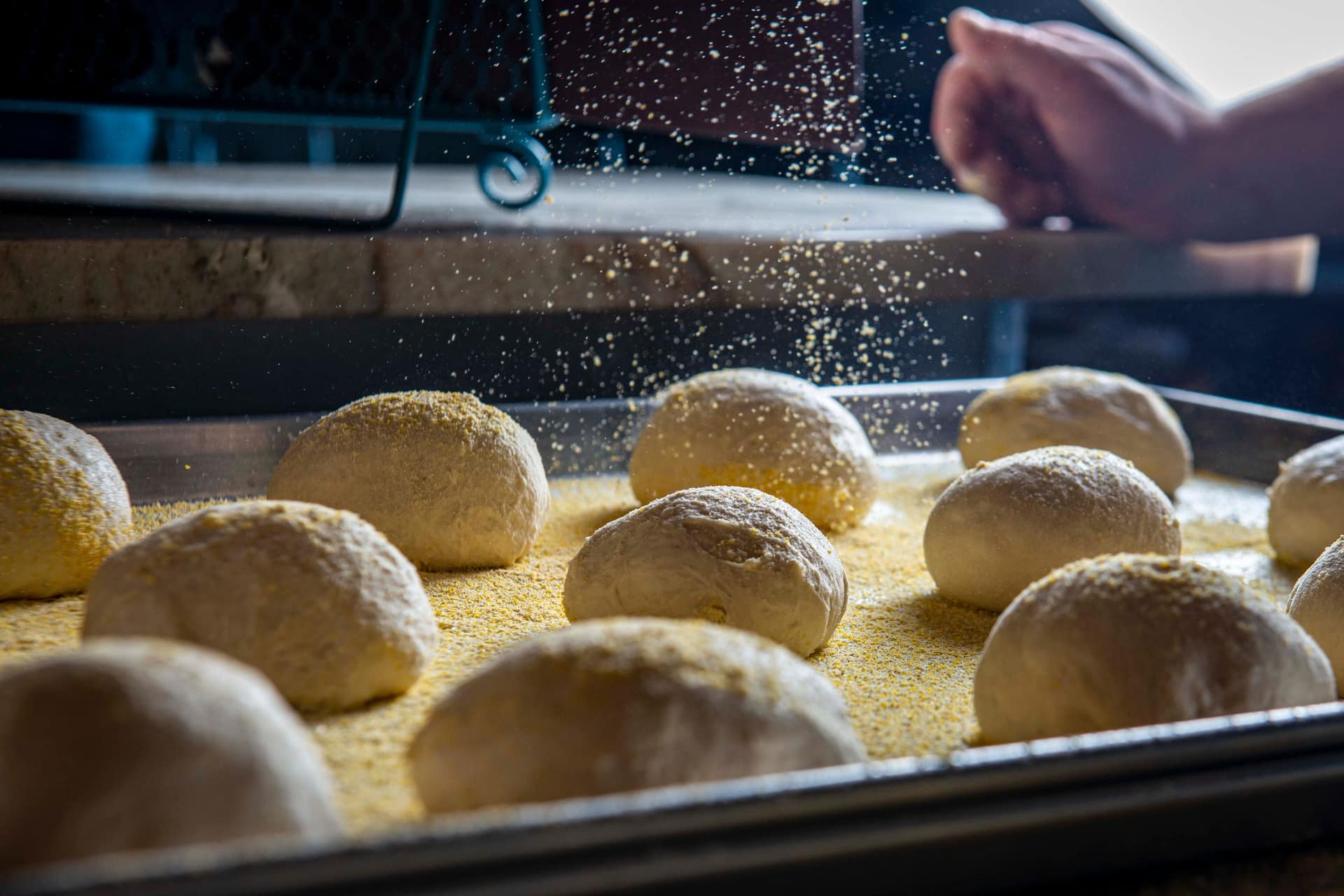
Quick picks
Tap a row for the full write-up · Prices open on Amazon
| # | Product | Best for | Price |
|---|---|---|---|
| 01 | 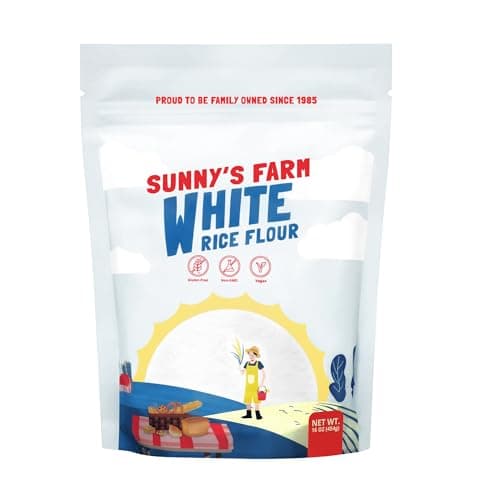 Sunny's Farm White Rice Flour, 16 oz A one-pound bag of fine white rice flour, sold with sourdough named on the label. | Trying rice flour without committing | |
| 02 | 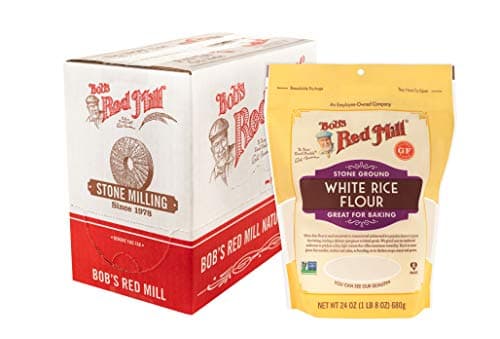 Bob's Red Mill White Rice Flour, 24 oz (4-Pack) An established milling brand in a four-bag pack, which is far more rice flour than dusting bannetons will ever need. | Buying it once and forgetting about it | |
| 03 | 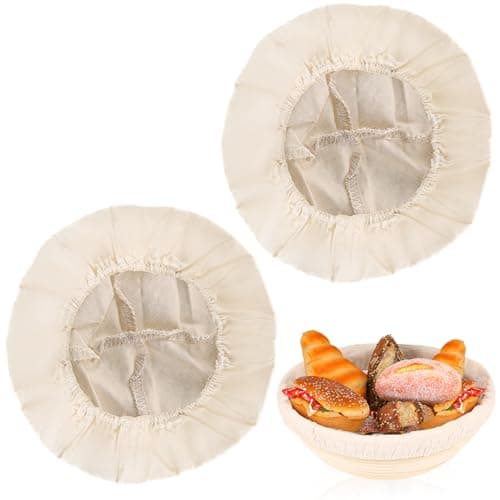 Round Banneton Liner Cloth, 9 inch, 2-Pack A cloth liner sidesteps the problem rather than managing it: dough touches fabric instead of bare rattan, so there is nothing for it to key into. | The cheapest way to stop sticking entirely | |
| 04 | 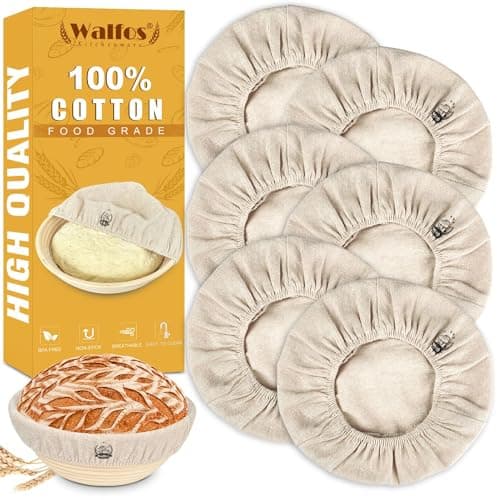 Walfos Bread Basket Liner Cloth, 9 inch, 6-Pack Six liners rather than two, which matters more than it sounds: a liner has to be bone dry before it goes back in the basket, and a single liner used twice in a weekend is the most common way people conclude that liners do not work.. | Baking several loaves a week | |
| 05 | 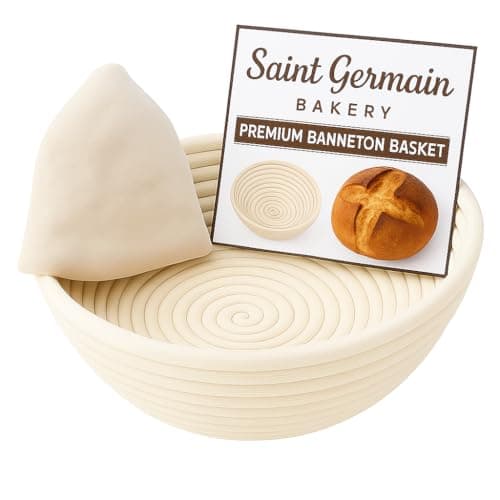 9-inch round rattan banneton with linen liner The default. | A standard 900g boule |
#ad · We earn a commission on Amazon purchases. Prices come from Amazon and change.
You proof a loaf overnight, turn the basket over, and half the dough stays in it. The loaf tears, the shape is ruined, and whatever you had built during shaping is gone. It is one of the most demoralizing things that happens in sourdough because it happens at the very last moment.
It is also almost entirely fixable, and the main fix costs about ten dollars and works on the first try.
Why wheat flour fails
Most people dust the basket with whatever flour is nearest, which is bread flour. Bread flour is the worst possible choice for this job, and the reason is the same reason it is good for bread: gluten.
When wheat flour meets the wet surface of a dough it hydrates. The proteins absorb water and become sticky — that is what gluten does, and it is why a dusting of bread flour on a cold overnight proof turns into a thin layer of paste welding the loaf to the cane.
Rice flour has no gluten. It cannot form that paste. It sits on the surface as dry particles for the whole proof and lets the dough release. That is the entire mechanism, and it is why rice flour is the standard answer in bakeries rather than a folk remedy.
How we judged what is on this page
- Does it solve the cause or the symptom? Rice flour addresses why dough sticks. A liner sidesteps it. Both are legitimate; they are different trades.
- Quantity against how you will use it. You use a spoonful of rice flour per loaf. A six-pound pack is a decade of dusting.
- Whether you keep the basket pattern. The spiral rings are the reason most people buy rattan. A liner removes them, and that is the cost of the easy fix.
- How it handles humidity. A damp liner sticks worse than bare cane. Anything here has to survive being used twice in a weekend.
- Whether it beats doing nothing. A well-seasoned basket that has been used for a year sticks far less than a new one. Sometimes the answer is time, not a purchase.
Flour or liner
| Rice flour on bare cane | Cloth liner | |
|---|---|---|
| Spiral pattern on the loaf | Yes - the reason to own rattan | No - a smooth surface |
| Reliability on a wet dough | Very good | Excellent |
| Ongoing cost | A spoonful per loaf | None, after the liner |
| Main failure | Not enough flour, or wheat flour | Reusing it damp |
| Works on a brand new basket | Yes | Yes |
If you bought a rattan basket for the rings, use rice flour. If you do not care about the pattern and want the problem to simply go away, use a liner. There is no rule that says you cannot own both and pick per bake.
The other causes, in order of how often they are the real problem
- Not enough flour, applied badly. A light sprinkle is not enough on a wet dough. Dust generously, then tip the basket and tap out the excess so there is a thin even coat everywhere, including up the walls.
- A brand-new basket. New cane is bare and grippy. It improves markedly over the first several bakes as flour works into the weave. Season a new one deliberately: dust it, leave it, and expect the first two loaves to need more flour than later ones.
- Over-proofing. A dough that has gone too far is slack, weak and wet at the surface, and it will stick to anything. If it also spreads when turned out, the problem was the proof and not the basket.
- Hydration above your skill level. Very wet doughs stick more. That is not a fault, it is physics, and the fix is more flour or a liner rather than frustration.
- A damp basket. Bannetons must dry completely between uses, ideally in open air rather than a cupboard. A basket put away slightly damp is both a sticking problem and a mold problem.
Caring for the basket
Do not wash a rattan banneton with soap and water as routine. Knock the dry flour out, brush the weave, and let it air. Washing strips the seasoned flour layer you spent months building and leaves you back at a new basket.
If it does need cleaning — dough dried into the cane, or a spot of mold — brush it dry first, use as little water as possible, and let it dry completely in open air for a day or more before it goes near dough again. The same discipline applies to liners, which is why owning more than one matters.
The short version
Buy rice flour. Dust the basket generously and tap out the excess so there is a thin coat everywhere. Let the basket dry fully between bakes and stop washing it. If the dough is very wet or you would rather not think about it at all, put a cloth liner in and accept a smooth crust instead of a spiral one.
Every pick, in order
The full write-ups
Pick 01 · Trying rice flour without committing
Sunny's Farm White Rice Flour, 16 oz
Sunny's Farm
A one-pound bag of fine white rice flour, sold with sourdough named on the label. A pound is a lot of dustings -- you use a spoonful per loaf -- so this is the sensible size to find out whether it fixes your sticking problem.
Type
White rice flour, finely ground
Size
16 oz
Attributes
Gluten-free, non-GMO, per the manufacturer
Use
Dusting bannetons and work surfaces
Specs compiled from: Manufacturer product listing and product name
What is good
- Smallest sensible quantity, which matters for a flour you use a spoonful at a time
- Finely ground, so it dusts evenly rather than sitting in clumps
- Cheapest way to test the single most effective fix for a sticking banneton
What is not
- A pound will still last most home bakers many months
- Plain rice flour, so nothing here is special beyond the grind
- Rice flour does not keep as long as wheat flour once opened; store it sealed
#ad Disclosure · Price as of October 17, 2026
Pick 02 · Buying it once and forgetting about it
Bob's Red Mill White Rice Flour, 24 oz (4-Pack)
Bob's Red Mill
An established milling brand in a four-bag pack, which is far more rice flour than dusting bannetons will ever need. It is here because the per-pound price is the lowest and because rice flour is genuinely useful beyond the basket.
Type
White rice flour
Size
24 oz per bag, 4 bags
Attributes
Non-GMO, vegan, kosher, per the manufacturer
Total
About 6 lb
Specs compiled from: Manufacturer product listing and product name
What is good
- Lowest cost per pound of the rice flours here
- A milling company with a long track record rather than a repackager
- Useful for dusting peels and work surfaces as well as baskets
What is not
- Six pounds is an absurd quantity for dusting alone
- Four separate bags to store rather than one container
- You will still be using it in two years
#ad Disclosure · Price as of October 17, 2026
Pick 03 · The cheapest way to stop sticking entirely
Round Banneton Liner Cloth, 9 inch, 2-Pack
Mozeat Lens
A cloth liner sidesteps the problem rather than managing it: dough touches fabric instead of bare rattan, so there is nothing for it to key into. You lose the spiral pattern a bare basket leaves, which is the trade people are actually making.
Size
9 inch round
Quantity
2 liners
Fits
9-inch round rattan bannetons
Material
Cloth
Specs compiled from: Manufacturer product listing and product name
What is good
- Removes the sticking problem rather than reducing it
- Two liners means one is always clean and dry
- Costs less than a bag of flour
What is not
- No spiral pattern on the loaf -- that is the whole reason people buy rattan
- A damp liner sticks worse than bare rattan; it has to dry fully between bakes
- Sized to 9-inch round only, so measure your basket first
#ad Disclosure · Price as of October 17, 2026
Pick 04 · Baking several loaves a week
Walfos Bread Basket Liner Cloth, 9 inch, 6-Pack
Walfos
Six liners rather than two, which matters more than it sounds: a liner has to be bone dry before it goes back in the basket, and a single liner used twice in a weekend is the most common way people conclude that liners do not work.
Size
9 inch round
Quantity
6 liners
Fits
9-inch round bannetons
Material
Cloth
Specs compiled from: Manufacturer product listing and product name
What is good
- Enough liners that none is ever reused damp
- Still inexpensive at roughly twice the price of the two-pack
- Spares mean you can wash them properly rather than nursing one
What is not
- Six is more than a once-a-week baker needs
- Same loss of the rattan spiral as any liner
- Round 9-inch only; oval baskets need a different shape
#ad Disclosure · Price as of October 17, 2026
Pick 05 · A standard 900g boule
9-inch round rattan banneton with linen liner
Type pick -- sold by many sellers
The default. Nine inches across takes a loaf made from roughly 500g of flour, and the cane spiral leaves the ring pattern most people picture when they picture sourdough. Buy it with a liner and you own both finishes.
Material
Coiled rattan cane
Size
9 in diameter, listed for around 900g of dough
Shape
Round (boule)
Liner
Removable linen or cotton liner, usually included
Specs compiled from: Product-type description; capacity and material as listed by sellers
What is good
- The size most beginner recipes are written around
- Cane wicks moisture off the skin of the dough, which is the whole point of a basket
- The liner turns the same basket into a smooth-sided proofing bowl
What is not
- Rattan must be dried thoroughly after every use or it will grow mold
- Cheap examples shed cane splinters into the flour on the first few uses
- A 9-inch basket is genuinely too big for a half-batch loaf
#ad Disclosure · Price as of October 17, 2026
How we picked
We have not tested any of this equipment. What we did instead: compiled the published specifications from each manufacturer’s own listing, checked them against the task a beginner is actually trying to do, read the care instructions, and named the thing we would skip. Where a pick is a product type rather than a brand, it is because the category is sold mostly unbranded and the type is the real decision.
Frequently asked
Questions
+Why does my sourdough stick to the banneton?
Usually because it was dusted with wheat flour. Wheat flour hydrates against the wet dough and its gluten turns the dusting into paste, which glues the loaf to the cane. Rice flour has no gluten and cannot do that, which is why it is the standard fix.
+What flour should I use to dust a banneton?
Rice flour, or a roughly 50/50 blend of rice flour with the flour you are already using. Pure rice flour is the most reliable; the blend costs less per bake and leaves a less stark white pattern on the crust.
+Do I need a banneton liner?
No, but it removes the problem entirely rather than managing it. The trade is the spiral pattern — a liner gives you a smooth crust, which defeats the main reason people buy a rattan basket. Owning both and choosing per bake is perfectly reasonable.
+Should I wash my banneton?
Not as routine. Knock out the dry flour, brush the weave and let it air. Washing strips the seasoned flour layer that makes an older basket release better than a new one. Only wash it if dough has dried into the cane or there is mold, and then dry it fully in open air.
+Why does a new banneton stick more?
Because bare cane has no seasoning. Flour works into the weave over the first several bakes and the basket releases progressively better. Expect the first two loaves to need noticeably more dusting than later ones.
+Can over-proofing cause sticking?
Yes. Over-proofed dough is slack and wet at the surface and will stick to almost anything. If the loaf also spreads flat when you turn it out, the proof was the problem rather than the basket or the flour.
Read next