Hub 03 · Sourdough Baking Gear
Banneton vs bowl for sourdough
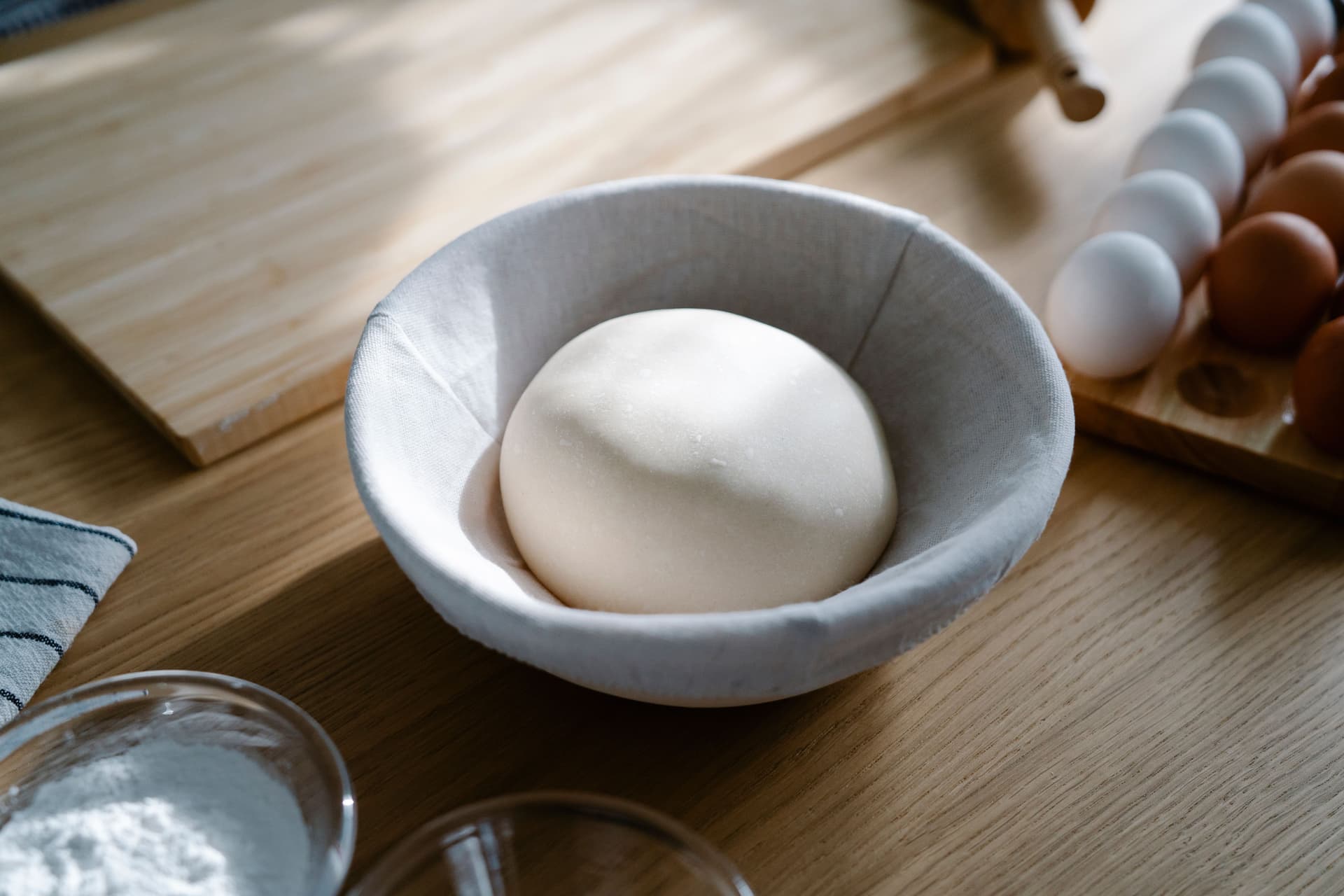
A bowl and a floured towel hold the shape. A banneton also dries the surface, which is what makes a loaf score cleanly. That is the entire difference.
We earn a commission if you buy through our links, at no extra cost to you. We have not tested this equipment. Here is what we did instead.
| Banneton | Bowl and tea towel | |
|---|---|---|
| Holds the loaf in shape | Yes | Yes |
| Dries the dough surface | Yes — cane wicks moisture | Barely — cotton holds it against the dough |
| Scoring | Clean, because the skin is dry | Blade drags on a tacky surface |
| Ring pattern | Yes, from the coil | No |
| Cost | The price of a basket | Nothing — you own both |
| Cleaning | Dry-brush; never soak | Wash the towel |
| Storage | Must dry completely or it molds | Folds into a drawer |
Use a bowl if
You have not made a loaf yet
A bowl and a well-floured tea towel proofs a loaf perfectly adequately. Make three loaves that way and you will know exactly what a basket would improve.
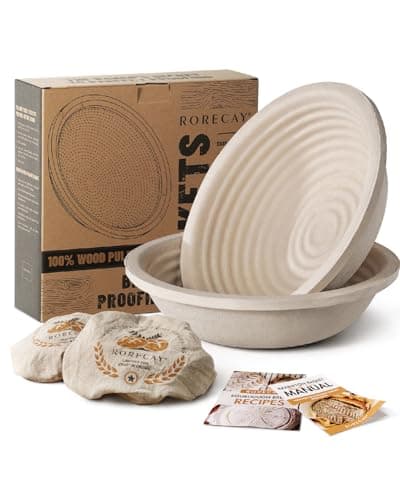
Wood-pulp (spruce) proofing basket
Buy a banneton if
Your scoring keeps dragging
A tacky loaf surface is the commonest reason a score tears instead of cutting. Cane wicks that moisture away, and that is the improvement you are actually paying for.
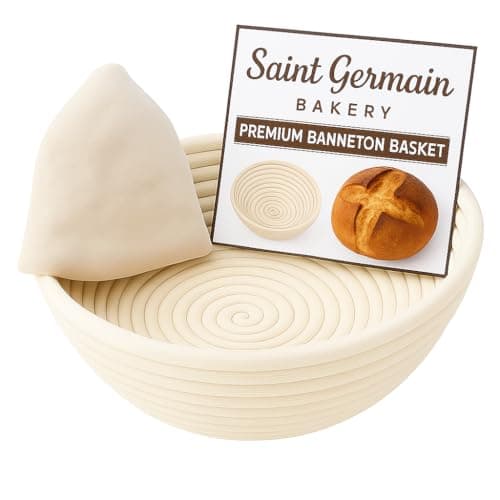
9-inch round rattan banneton with linen liner
#ad Disclosure · Price as of October 17, 2026
What the cane is doing
A proofing basket is not just a mold. Over several hours the cane draws moisture out of the very outer layer of the dough, leaving a slightly dry skin. That skin is what a blade cuts cleanly instead of dragging through, and it is what lets a scored flap lift into an ear rather than tearing.
A cotton tea towel does the opposite: it holds moisture against the dough. You can compensate with generous flouring, and plenty of people do, but you are working against the material.
Making the bowl method work
If you are proofing in a bowl, three things help:
- Use rice flour on the towel. It does not absorb water and turn to paste the way wheat flour does. This is the biggest single improvement.
- Use linen rather than terry cotton. A smooth weave releases the dough; a fluffy one embeds in it.
- Proof in the fridge. A cold retard dries the surface usefully and is easier to score straight from the fridge regardless of what you proofed in.
That third point matters: a cold overnight proof gets you most of the surface benefit of a basket for free.
What a basket does not fix
A banneton does not fix underproofing, a weak starter, or a loaf that spreads because the dough was too slack. Those are the actual causes of most disappointing loaves, and none of them is a basket problem. If your loaves are coming out flat and dense, start with the starter, not the equipment.
Frequently asked
Questions
+Can you use a bowl instead of a banneton?
Yes. A mixing bowl lined with a well-floured tea towel holds a loaf in shape perfectly well. What you lose is the cane’s ability to dry the dough’s surface, which is what makes scoring clean.
+Why use a banneton for sourdough?
It holds the shape during a long proof and wicks moisture off the outer layer of the dough. That dry skin is what a blade cuts cleanly, and it is what lets a scored flap lift into an ear rather than tearing.
+What flour should I dust a banneton or towel with?
Rice flour. It absorbs far less water than wheat flour, so it stays powdery between the dough and the basket rather than turning to paste. It is the single biggest reduction in loaves that stick.
Read next