Hub 03 · Sourdough Baking Gear
Baking steel vs baking stone
Steel conducts heat faster than stone, which is the whole argument. Whether that is worth four times the price depends on what you bake.
We earn a commission if you buy through our links, at no extra cost to you. We have not tested this equipment. Here is what we did instead.
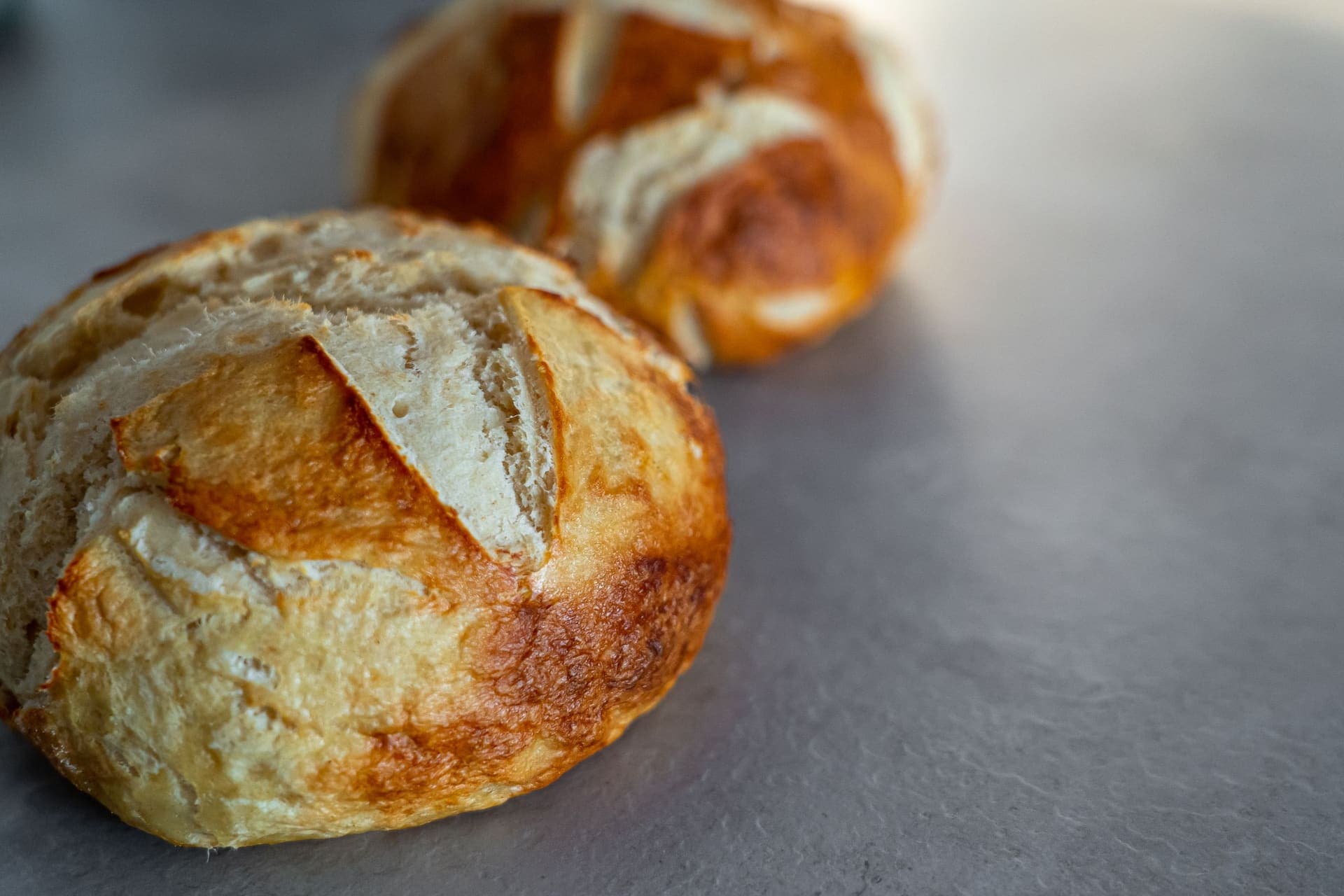
Both do the same job: they sit in the oven, soak up heat during the preheat, and dump it into the base of whatever you put on them. A wire rack cannot do that, which is why a loaf baked directly on a rack has a pale, soft bottom and poor oven spring.
The difference between the two materials is how fast they give that heat back. Steel conducts heat far more readily than ceramic does, so a loaf landing on a preheated steel receives a harder, faster burst of energy into its base than the same loaf landing on a stone at the same temperature. More energy into the base in the first minutes means more oven spring.
Buy steel if
You bake often and want maximum spring
It transfers heat faster than any stone, it recovers between loaves faster, and it cannot crack. You are paying several times the price of a stone, and carrying fifteen to nineteen pounds whenever you move it.
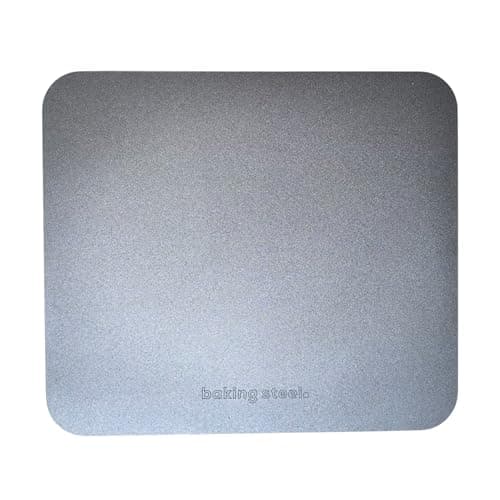
The Original Baking Steel, 14 x 16 x 1/4 inch
#ad Disclosure · Price as of October 17, 2026
Buy stone if
You want most of the benefit for a quarter of the cost
A thick stone holds plenty of heat, weighs half what a steel does, and costs a fraction. It is slower to recover, it stains permanently, and it will crack if you shock it with cold.
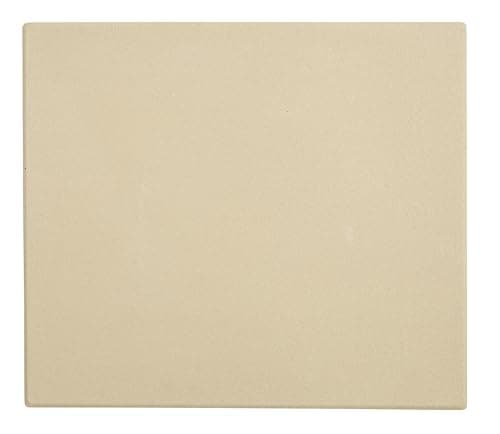
Old Stone Rectangular Pizza Stone, 14 x 16 inch
The numbers that actually differ
| Baking steel | Baking stone | |
|---|---|---|
| Typical thickness | 1/4 inch (some thinner) | 5/8 to 3/4 inch |
| Typical weight | 15-19 lb at 1/4 inch | 6.5-10 lb |
| Heat transfer to the loaf | Faster | Slower |
| Recovery between loaves | Faster | Slower |
| Failure mode | Rusts if left wet | Cracks from thermal shock |
| Surface over time | Seasons darker | Stains permanently, never looks clean |
| Rough price | Around four times a stone | Lowest cost here |
The weight row is not a footnote. Nineteen pounds of steel is genuinely awkward to slide in and out of a hot oven, and most people solve that by leaving it in permanently — which changes how the whole oven behaves for everything else you cook.
Thickness matters more than material
A quarter-inch steel and a tenth-inch steel are not the same product. Thermal mass scales with thickness, and the thin steels — lighter, cheaper, easier to handle — hold much less heat in reserve. They preheat faster, which is a real benefit, but they give up their heat more quickly once cold dough lands on them.
The same logic runs the other way for stone. A three-quarter-inch stone holds meaningfully more heat than a thin one and closes much of the gap to a thin steel. So the honest ranking is not steel over stone: it is thick over thin, with steel ahead of stone at equal thickness.
But you probably own a Dutch oven
Here is the part most comparisons leave out. For a round sourdough boule, a preheated Dutch oven beats both of these, and it is not close — because the pot traps the loaf’s own steam, and steam during the first ten minutes does more for oven spring and crust than base conductivity does.
A steel or a stone is an open-oven surface. To get the same crust you have to create steam yourself, and home-oven steam methods are all compromises. So if you bake boules in a pot and you are happy, neither of these is your next purchase — that argument is on do you need a Dutch oven, and if you are choosing a pot, the Dutch oven page is the one to read.
Size, and the mistake people make
Buy the largest that genuinely fits your oven with air gaps at the sides. A surface that covers most of the rack evens out the oven’s hot spots and gives you room for two loaves; one that covers half the rack effectively makes the oven two different ovens.
Measure the interior width of your oven before ordering, not the door. Twenty inches is wider than some ovens will take, and a steel that does not fit is nineteen pounds of returns shipping.
Living with each one
Steel rusts. It needs a thin wipe of oil occasionally and it must not be put away wet. In exchange it is effectively indestructible and it will outlive you.
Stone cracks, and the way it cracks is by thermal shock — a cold stone into a hot oven, or a wet one, or cold water onto a hot one. Preheat it with the oven from cold, let it cool in the oven, and never wash it with water. It will also stain from the first bake and never look clean again, which is cosmetic and bothers people more than it should.
Our answer
If you bake boules in a Dutch oven and nothing else, buy neither. If you want to bake long loaves, flatbreads or pizza, buy a surface — and buy the thickest one you can lift and afford. A thick stone at a quarter of the price is the sensible first purchase; a quarter-inch steel is the right answer if you bake weekly and want to stop thinking about it.
Frequently asked
Questions
+Is a baking steel better than a baking stone for sourdough?
For heat transfer, yes — steel conducts faster, so it puts more energy into the base of the loaf in the critical first minutes, and it recovers faster between bakes. Whether that is worth roughly four times the price depends on how often you bake and what shapes you bake.
+Do I need a baking steel if I have a Dutch oven?
Not for round loaves. A covered pot traps the loaf’s own steam, which matters more for spring and crust than base conductivity does. A flat surface is for the things that do not fit in a pot: baguettes, long batards, ciabatta, focaccia and pizza.
+How thick should a baking steel be?
A quarter inch is the standard and holds substantially more heat than the thinner sheets. Thin steels preheat faster and are far easier to handle, but they give up their heat quickly once cold dough lands on them.
+Will a baking stone crack?
It can, from thermal shock. Preheat it with the oven from cold rather than putting it into a hot one, let it cool in the oven, and never run water over it while it is hot. Handled that way stones last for years.
+Does a baking steel rust?
Yes, it is bare steel. Wipe it dry, give it an occasional thin coat of oil, and do not put it away damp. It darkens and seasons with use, which is normal and not a problem.
+What size baking steel or stone should I buy?
The largest that fits your oven with air gaps at the sides. Full-rack coverage evens out hot spots and lets you bake two loaves. Measure the oven interior, not the door opening, before ordering — 20 inches does not fit every oven.
Read next