Hub 02 · Sourdough Starter
How to start a sourdough starter from scratch
Equal weights of flour and water, fed once a day, kept warm. It takes about two weeks and the middle of it is boring. That is the whole method.
We earn a commission if you buy through our links, at no extra cost to you. We have not tested this equipment. Here is what we did instead.
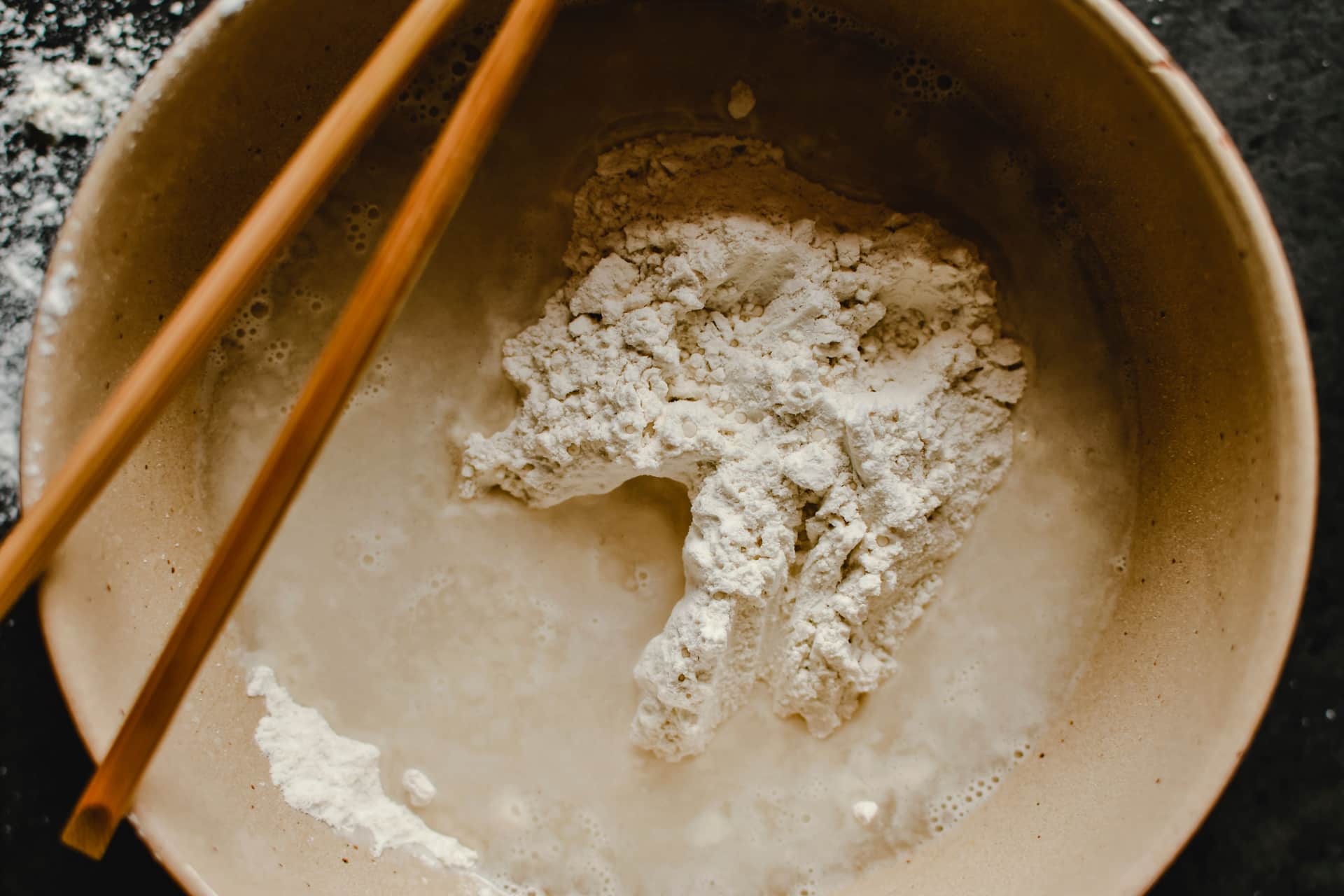
Mix equal weights of flour and water in a jar, feed it once a day, keep it warm, and wait about two weeks. That is the entire method. Everything below is detail on the four things that go wrong.
What you need
- A wide-mouth glass jar, about a quart
- Flour — whole wheat or rye to begin with, then whatever you bake with
- Room-temperature water
- A scale, or the workaround below
- A rubber band or a marker to mark the level
Day 1: mix
Put 50g of whole wheat or rye flour in the jar with 50g of water and stir until there is no dry flour left. Cover loosely — never sealed — and mark the level on the outside of the glass.
Whole grain flour to start, because the bran carries more of the organisms you are trying to cultivate. You can move to white flour once it is established.
Days 2 to 4: feed once a day
Each day, discard all but about 50g, then add 50g of flour and 50g of water. Stir, cover, re-mark the level.
Discard is the same culture minus the fresh feed, and it is worth keeping rather than binning once the starter is established. The discarding feels wasteful and is not optional: without it the jar doubles in volume daily and the culture is never fed enough relative to its own mass to strengthen.
Days 5 to 8: the quiet week
It will probably bubble in the first two or three days and then stop. It may smell odd. Nothing is wrong. This lull is the most predictable event in starting a starter, and it is where most people give up.
Keep feeding. Keep it warm. A kitchen at 18C will drag this phase out for days longer than one at 23C, which is why January starters take longer than the internet says they should.
Days 9 to 14: it becomes predictable
You are looking for one thing: the starter doubling within four to eight hours of a feed, and doing it two days running. Once that happens it is ready.
If it has not happened by day fourteen, that is still within normal for a cold room. Work through why your starter is not rising before changing anything.
Starting without a scale
You can, but the ratio drifts and drift is what makes a starter unpredictable. If you have no scale: use roughly equal volumes of flour and water and expect a slacker mixture than a weight-based one, since flour and water differ in density. Stir it to the consistency of thick batter and keep it there.
Then buy a scale. It is the cheapest object in this hobby and the one that most affects whether one week resembles the next — our picks are here.
When it is ready
Bake. Then move it to the fridge and switch to a weekly feed, which is the routine that makes this sustainable past February — feeding and storing a starter covers the transition.
This method assumes wheat or rye flour. It works on gluten-free flour too, with one warning: you lose the rise you have been told to watch for, so the readiness test above misleads. Starting gluten-free covers what to judge instead.
Frequently asked
Questions
+How do you start a sourdough starter without a scale?
Use roughly equal volumes of flour and water and stir to a thick-batter consistency, then keep it at that consistency at every feed. It works, but the ratio drifts, which makes the starter less predictable. A 1g scale is the cheapest fix in the hobby.
+What flour should I use to start a sourdough starter?
Whole wheat or rye for the first few days — the bran carries more of the organisms you want. Once it is established you can feed it whatever flour you intend to bake with.
+Why do I have to discard part of the starter?
Without discarding, the jar doubles in volume every day and the culture is never fed enough relative to its own mass to strengthen. Discarding keeps the feed ratio high, which is what builds a vigorous starter.
+How long does it take before I can bake with it?
About two weeks, longer in a cold kitchen. It is ready when it doubles within four to eight hours of a feed on two consecutive days.
Read next