Hub 02 · Sourdough Starter
Best flour for a sourdough starter
A starter is not fussy about protein and is very fussy about bran. That one fact decides every pick on this page, and it is why the expensive bread flour is the wrong bag.
We earn a commission if you buy through our links, at no extra cost to you. We have not tested this equipment. Here is what we did instead.
Quick picks
Tap a row for the full write-up · Prices open on Amazon
| # | Product | Best for | Price |
|---|---|---|---|
| 01 | 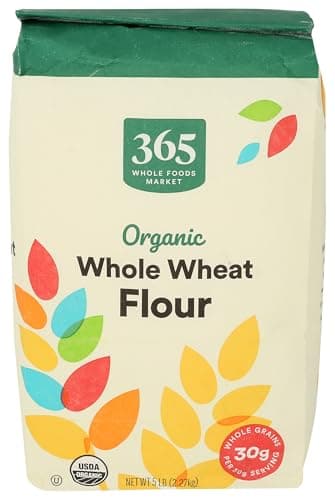 365 Organic 100% Whole Wheat Flour, 80 oz Whole wheat is the flour most first-week starter instructions call for, because the bran carries the organisms a new culture needs. | Starting a starter from scratch | |
| 02 | 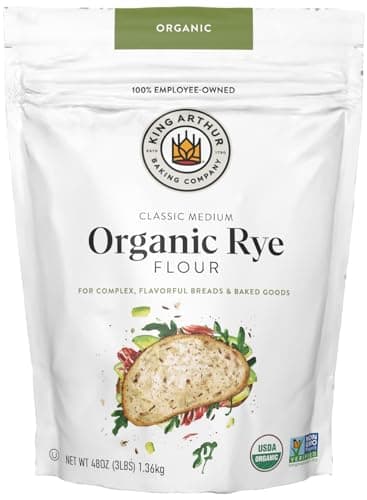 King Arthur Organic Medium Rye Flour, 3 lb Rye is the flour a sluggish starter responds to fastest. | Waking a starter up | |
| 03 | 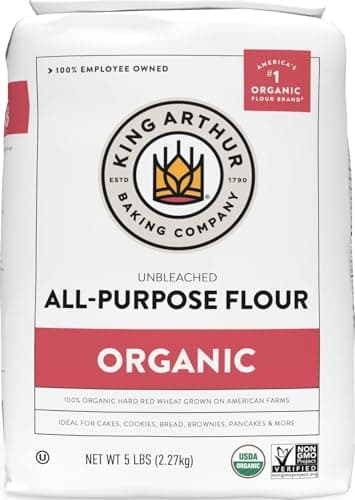 King Arthur Organic All-Purpose Flour, 5 lb At a published 11.7% protein this is stronger than most supermarket all-purpose flour and genuinely bakes sourdough -- a slightly softer crumb and a slightly slacker dough than bread flour, which many people prefer anyway. | One bag for everything | $7.12 · View on Amazon
|
| 04 | 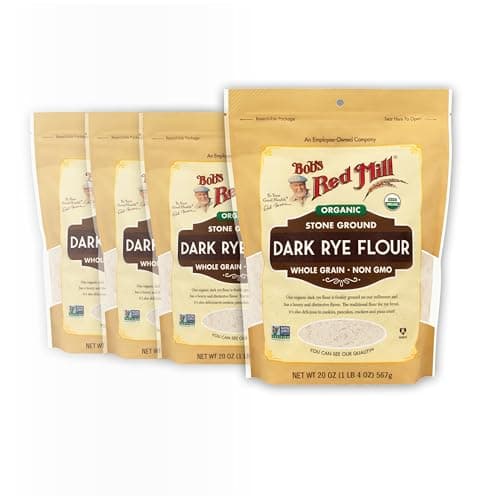 Bob's Red Mill Organic Dark Rye Flour, 20 oz (4-pack) The same job as the medium rye above, darker and sold four bags at a time. | Stocking up on rye | |
| 05 | 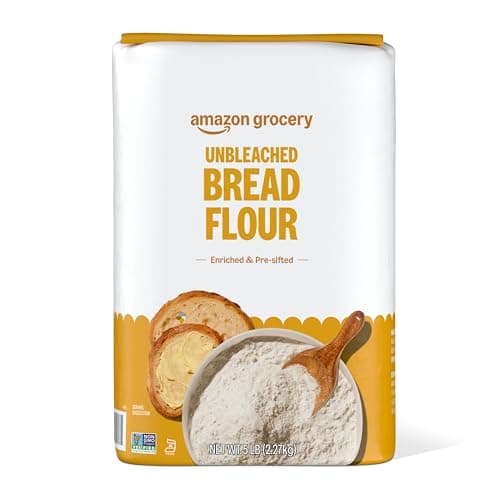 Amazon Grocery Unbleached Bread Flour, 5 lb House-brand bread flour at a fraction of the name-brand price. | The cheapest flour that works |
#ad · We earn a commission on Amazon purchases. Prices come from Amazon and change.
The flour that bakes the best loaf is not the flour that feeds the best starter, and buying one bag for both jobs is the commonest way to overspend on this hobby. A starter wants organisms and minerals. A loaf wants protein. Those live in different bags.
The picks above are ordered the way a starter actually needs them: the flour that establishes a new culture first, the flour that rescues a stalled one second, and the cheap flour you will feed it for the rest of its life third.
What a starter actually needs from flour
- Bran, at the beginning. The wild yeasts and bacteria that colonize a new starter arrive on the grain itself, and they are concentrated in the outer layers. Whole grain flour carries them. Highly refined white flour carries far fewer, which is why almost every set of starting instructions begins with whole wheat or rye.
- Minerals, throughout. The same outer layers carry the micronutrients the culture feeds on. This is why a sluggish starter perks up on a rye feed and does very little on a white one.
- No bleach. Bleached flour has been chemically treated. Use unbleached; it costs nothing extra and removes a variable you cannot see.
- Consistency. A starter is a measuring instrument — you read its rise to decide when to bake. Changing flour changes its behavior, so once something works, keep buying it.
- A price you will not resent. You are throwing most of this away. Discard is the reason to feed a starter the cheapest flour that keeps it healthy, not the most expensive flour in the shop.
Protein content, which decides everything about a loaf, is almost irrelevant here. A starter does not need gluten structure. It needs food.
Starting from scratch: whole wheat
For the first week of a brand-new starter, use whole wheat or rye. You are trying to get a colony established, and whole grain flour is simply better stocked with what you are trying to grow. After a week or two, when the culture is reliably rising, you can switch to cheaper white flour and it will carry on perfectly happily.
The full day-by-day method is in how to start a sourdough starter from scratch, including the quiet stretch around days four to eight that makes people give up early.
Rescuing a slow starter: rye
Rye is the standard answer to a starter that has gone quiet, and it is the first thing to try before you conclude anything is wrong. Feed it rye, move it somewhere warmer, and give it another two days. In our experience of what beginners report, temperature and rye between them account for most “dead” starters that turn out not to be dead.
Rye also ferments faster and wetter than wheat, so a rye-fed starter looks looser and peaks sooner. That is the flour, not a fault. If the symptom you have is something else, the whole list is in the starter troubleshooting chart.
The daily feed: cheap unbleached flour
Once the culture is established, the everyday feed can be plain unbleached all-purpose flour, and for most people it should be. It is the cheapest thing that keeps a starter in good condition, and since a large share of every feed gets discarded, cost per bag is a real consideration rather than a stingy one.
A common, sensible compromise is a mostly-white feed with a spoonful of whole wheat or rye mixed in — cheap, and the culture gets the minerals it likes. If the volume of discard is bothering you, the fix is a smaller starter rather than a cheaper flour: what to do with sourdough discard covers both.
Does organic matter?
Less than the internet suggests, and more than nothing. The argument for organic flour in a starter is that you are deliberately culturing whatever arrived on the grain, so you would rather the grain not have been treated with anything that suppresses microbial life. That is a reasonable position and it is why several picks here are organic.
It is not a requirement. Plenty of healthy starters run on conventional supermarket flour. If the choice is between organic flour and giving up because the hobby feels expensive, buy the cheap bag.
One bag, if you must
If you genuinely want to own a single flour for both the starter and the loaf, buy unbleached all-purpose at a published protein around 11-12%. It feeds a starter perfectly well and it bakes a real, slightly softer sourdough. You give up some structure in a high-hydration dough, and you save a bag.
What that costs you on the baking side, and which flour to buy if you do split the two jobs, is in best flour for sourdough bread.
Every pick, in order
The full write-ups
Pick 01 · Starting a starter from scratch
365 Organic 100% Whole Wheat Flour, 80 oz
365 by Whole Foods Market
Whole wheat is the flour most first-week starter instructions call for, because the bran carries the organisms a new culture needs. Once the culture is established you can switch it to cheaper white flour; this is the bag that gets you through the first fortnight.
Type
Organic 100% whole wheat
Size
80 oz (5 lb)
Use
Days one to seven of a new starter; a share of a loaf later
Behavior
More active than white flour, and thirstier
Specs compiled from: Manufacturer product listing and product name
What is good
- The standard recommendation for establishing a brand-new starter, and a cheap way to do it
- Doubles as a loaf flour for a percentage of whole grain once the starter is running
- Store-brand pricing on an organic whole grain
What is not
- Absorbs more water than white flour, so a recipe written for white will feel stiff
- Whole grain flours stale faster -- this is a bag to use, not to stockpile
- A wholly whole-wheat loaf is dense, and beginners rarely enjoy it
#ad Disclosure · Price as of September 14, 2026
Pick 02 · Waking a starter up
King Arthur Organic Medium Rye Flour, 3 lb
King Arthur Baking
Rye is the flour a sluggish starter responds to fastest. It carries more of the wild organisms and more of the minerals they feed on, which is why the standard advice for a stalled culture is to feed it rye and keep it warm. A 3 lb bag lasts a long time at 50g a feed.
Type
Medium rye, organic
Size
3 lb bag
Use
Starter feeding, and up to a small share of a loaf
Behavior
Ferments faster and wetter than wheat flour
Specs compiled from: Manufacturer product listing and product name
What is good
- The reliable answer to a starter that has gone quiet, and the cheapest thing to try before panicking
- A small proportion in a loaf adds real flavor without making the dough unmanageable
- 3 lb is the right size -- rye is a supporting flour, not your daily bag
What is not
- Rye has almost no gluten structure, so a high-rye loaf is dense and sticky by nature
- A rye-fed starter is wetter and looser, which makes the rise harder to read at a glance
- Goes rancid faster than white flour; buy small and keep it cool
#ad Disclosure · Price as of September 14, 2026
Pick 03 · One bag for everything
King Arthur Organic All-Purpose Flour, 5 lb
King Arthur Baking
At a published 11.7% protein this is stronger than most supermarket all-purpose flour and genuinely bakes sourdough -- a slightly softer crumb and a slightly slacker dough than bread flour, which many people prefer anyway. If you want to own one flour, own this.
Protein
11.7%, per King Arthur
Size
5 lb bag
Milled
Organic, unbleached
Use
Dough, starter feeding, and everything else in the kitchen
Specs compiled from: Manufacturer product listing and product name
What is good
- High enough in protein to make real sourdough, unlike softer supermarket all-purpose flour
- One bag covers bread, pancakes and the discard you bake with, so nothing goes stale in the cupboard
- The most forgiving choice if you are not yet sure how often you will bake
What is not
- A wetter, slacker dough than bread flour, which is harder to shape in the first month
- Not the strongest option for a very high-hydration loaf
- Still priced above house-brand all-purpose
Pick 04 · Stocking up on rye
Bob's Red Mill Organic Dark Rye Flour, 20 oz (4-pack)
Bob's Red Mill
The same job as the medium rye above, darker and sold four bags at a time. Dark rye keeps more of the bran, which is where the organisms live -- useful in a starter, heavier in a loaf. Buy this only if you already know rye is part of your routine.
Type
Organic dark rye
Size
20 oz per bag, sold as a 4-pack
Use
Starter feeding; a minority share of a loaf
Storage
Four sealed bags store better than one opened sack
Specs compiled from: Manufacturer product listing and product name
What is good
- Four small sealed bags keep far better than one large opened bag of a flour that goes off quickly
- Dark rye is the most active starter food on this page
- Widely stocked, so re-ordering is never a problem
What is not
- A 4-pack is more rye than a once-a-week baker will get through before it ages
- Darker rye makes a heavier, stickier dough than medium rye
- Per-ounce it is not cheaper than buying one larger bag
#ad Disclosure · Price as of September 14, 2026
Pick 05 · The cheapest flour that works
Amazon Grocery Unbleached Bread Flour, 5 lb
Amazon Grocery
House-brand bread flour at a fraction of the name-brand price. It is unbleached bread flour and it makes bread; what you give up is the published protein specification and the batch-to-batch consistency that specification buys you.
Type
Enriched, unbleached bread flour
Size
5 lb bag
Protein
Not published by the seller
Use
Loaf flour on a budget
Specs compiled from: Manufacturer product listing and product name
What is good
- By far the cheapest bread flour on this page
- Unbleached, which is the one thing genuinely worth insisting on
- Perfectly good for learning, when you will attribute every fault to yourself anyway
What is not
- No published protein percentage, so you cannot predict how it compares to a recipe's assumptions
- House-brand flour can change mills between batches, and your dough will notice
- Enriched rather than organic, if that matters to you
#ad Disclosure · Price as of September 14, 2026
How we picked
We have not tested any of this equipment. What we did instead: compiled the published specifications from each manufacturer’s own listing, checked them against the task a beginner is actually trying to do, read the care instructions, and named the thing we would skip. Where a pick is a product type rather than a brand, it is because the category is sold mostly unbranded and the type is the real decision.
Frequently asked
Questions
+What flour should I use to start a sourdough starter?
Whole wheat or rye for the first week. The organisms you are trying to culture arrive on the grain and are concentrated in the bran, so whole grain flour establishes a colony faster than white flour does. Switch to cheaper white flour once it is rising reliably.
+Can I feed a sourdough starter all-purpose flour?
Yes, and most people should once the starter is established. Unbleached all-purpose is the cheapest flour that keeps a culture healthy, and since most of each feed is discarded, the saving is real.
+Is bread flour better for a sourdough starter?
No. Bread flour is milled for protein, which builds gluten in a dough. A starter builds no gluten, so you are paying for a property it cannot use. Save the bread flour for the loaf.
+Why does rye flour wake up a sluggish starter?
Rye carries more of the bran and minerals a culture feeds on than white flour does, so a rye feed gives it more to work with. Feed it rye, keep it warm, and give it two more days before concluding anything is wrong.
+Can I use bleached flour for a sourdough starter?
Use unbleached. Bleached flour has been chemically treated, unbleached costs no more, and choosing it removes a variable you cannot observe from a process you are trying to read.
Sources
Where the facts on this page came from
Read next