Hub 02 · Sourdough Starter
What size jar do you need for a sourdough starter?
A quart. It gives a normal starter room to triple without climbing out, and it takes the lids and bands everything else in your kitchen already uses.
We earn a commission if you buy through our links, at no extra cost to you. We have not tested this equipment. Here is what we did instead.
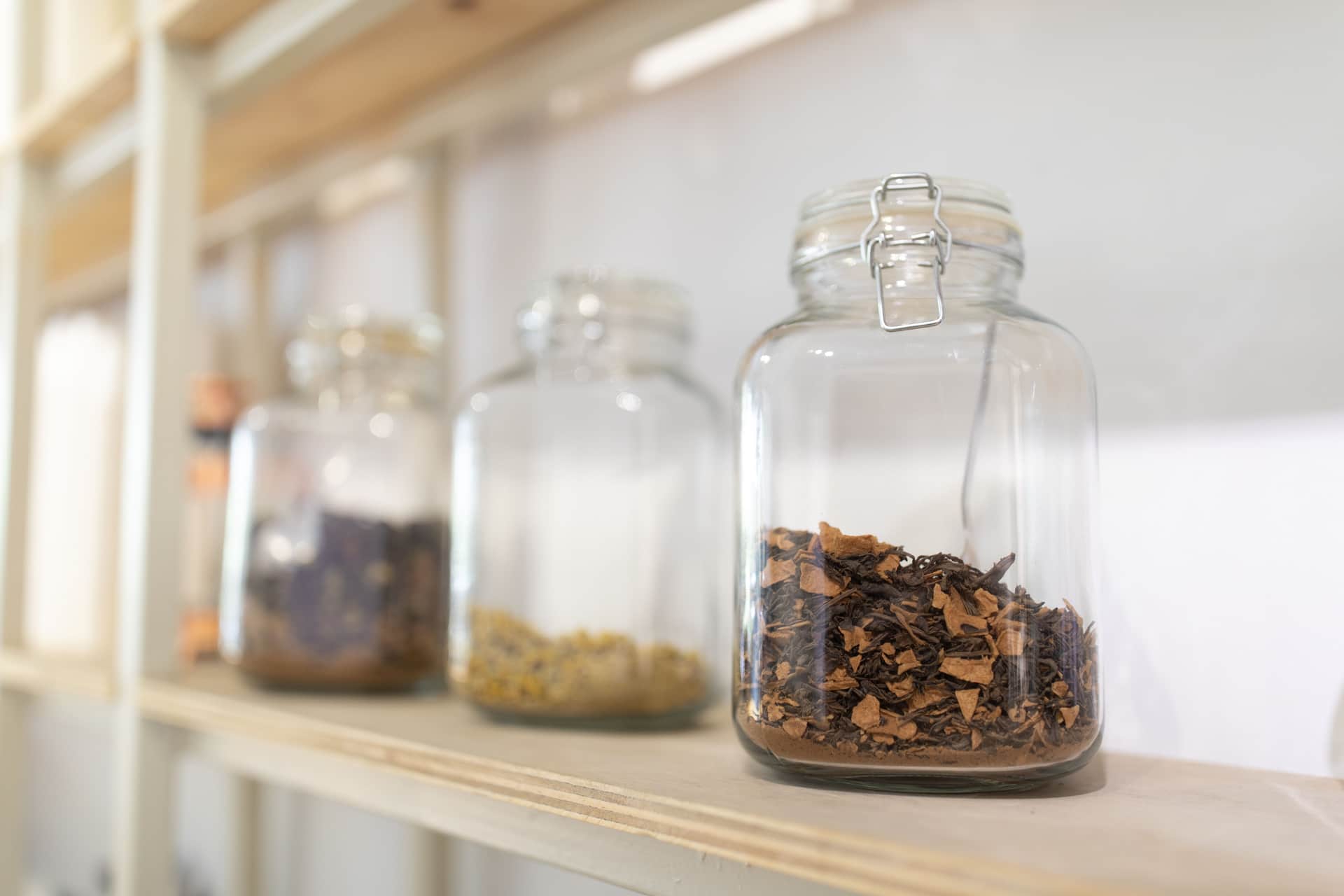
A 32 oz (1 quart, roughly 1 liter) wide-mouth jar is the right size for almost every home sourdough starter. It holds a normal maintenance quantity with enough headspace that a vigorous rise cannot reach the rim, and it is the size every band, lid and weight in the category is built to fit.
The arithmetic
A common maintenance feed keeps a small amount of starter and adds equal weights of flour and water — say 50 g of each on top of 50 g of starter, giving 150 g in the jar. That is roughly a cup by volume once it is mixed.
A healthy starter can more than double, and a very active one can approach tripling at its peak. So the rule is simple: the jar should be at least three times the volume of the starter after feeding. A cup of fed starter therefore wants a jar of about three cups minimum, and a quart jar gives you four with room to spare.
That headroom is not decorative. A starter that climbs out is a starter that loses part of itself, glues the band to the glass and makes the doubling test meaningless.
When something else is right
- A pint (16 oz) jar works if you keep a genuinely small starter — 20 or 30 grams carried over per feed. Many people do, deliberately, because it wastes far less flour. The trade is that there is no margin for a surprise.
- A half-gallon (64 oz) jar is the wrong first jar — a small starter in a large cold jar has more glass to warm and more surface to dry against. It starts to make sense later, if you bake weekly or more and keep a larger culture so you are not building a levain from a teaspoon every time.
- A half-pint jar is too small for anything but a deliberately tiny starter, and it is the size people accidentally buy in starter kits.
- A 1-liter glass jar with a glass lid is the same capacity as a quart mason with a different mouth. Fine, as long as you accept that mason accessories will not fit it.
Shape matters as much as size
Three features, in order of importance:
- Straight sides. A jar that tapers makes the doubling test a guess, because the same volume sits at a different height depending on where it is in the jar.
- A wide mouth. You have to get a spoon, a spatula and eventually your hand into it. Narrow-necked jars are harder to clean and are the reason people put off cleaning them.
- Clear glass. A starter communicates by rising and bubbling. An opaque crock is a real trade-off for a beginner, however handsome.
The full comparison of specific jars, including the ones sold with rise bands, is in best sourdough starter jars.
Two jars is the quiet upgrade
The single change that makes starter maintenance pleasant is owning two identical jars. You feed into a clean one and wash the other at your leisure, instead of trying to clean a jar that currently contains your culture. At the price of a mason jar, this is the cheapest quality-of-life improvement in the hobby.
It also means the doubling mark is always on a clean wall of glass, which is the measurement the whole troubleshooting chart depends on.
The same jars do vegetable duty
A wide-mouth quart is the standard size on the fermenting side of the kitchen too, which is the practical reason to buy that mouth size rather than a proprietary one. Every airlock lid and every glass weight in the category is made to fit it, so a jar bought for a starter can hold a batch of sauerkraut a month later without buying anything else.
The one difference is what goes on top. A starter wants a cover that does not seal; a vegetable ferment wants a lid that keeps air out while letting gas escape. Same jar, opposite lid — the lids are compared in best fermentation lids for mason jars.
What about the jar the kit came with?
Most starter kits ship a jar in this size range, and it is usually fine. Check two things: whether it is straight-sided, and whether the mouth takes standard bands. If it fails both, it is a jar you will replace, and the kit was really selling you the culture and the instructions — which is the argument for buying the pieces separately.
Frequently asked
Questions
+What size jar is best for a sourdough starter?
A 32 oz quart wide-mouth jar suits almost everyone. It gives a normal fed starter room to triple without reaching the rim, and it takes standard bands, lids and accessories.
+Can I keep a sourdough starter in a pint jar?
Yes, if you keep a small starter — around 20 to 30 grams carried over per feed. The jar should still be about three times the volume of the fed starter, so a pint works for small quantities and not for large ones.
+Should the jar be sealed?
No. Rest the lid on top or use a cloth and a band. A fermenting starter produces gas, and a sealed jar builds pressure. Sealing is for finished storage in the refrigerator, not for an active culture.
+Does the jar have to be glass?
No, but glass lets you see the rise and the bubble structure, which is how a starter tells you what it is doing. Opaque containers work and make every judgment harder.
Read next