Hub 02 · Sourdough Starter
Sourdough vs yeast bread
Same flour, same oven, different leavening. One is a two-hour project and the other is a two-week commitment, and that is most of the difference.
We earn a commission if you buy through our links, at no extra cost to you. We have not tested this equipment. Here is what we did instead.
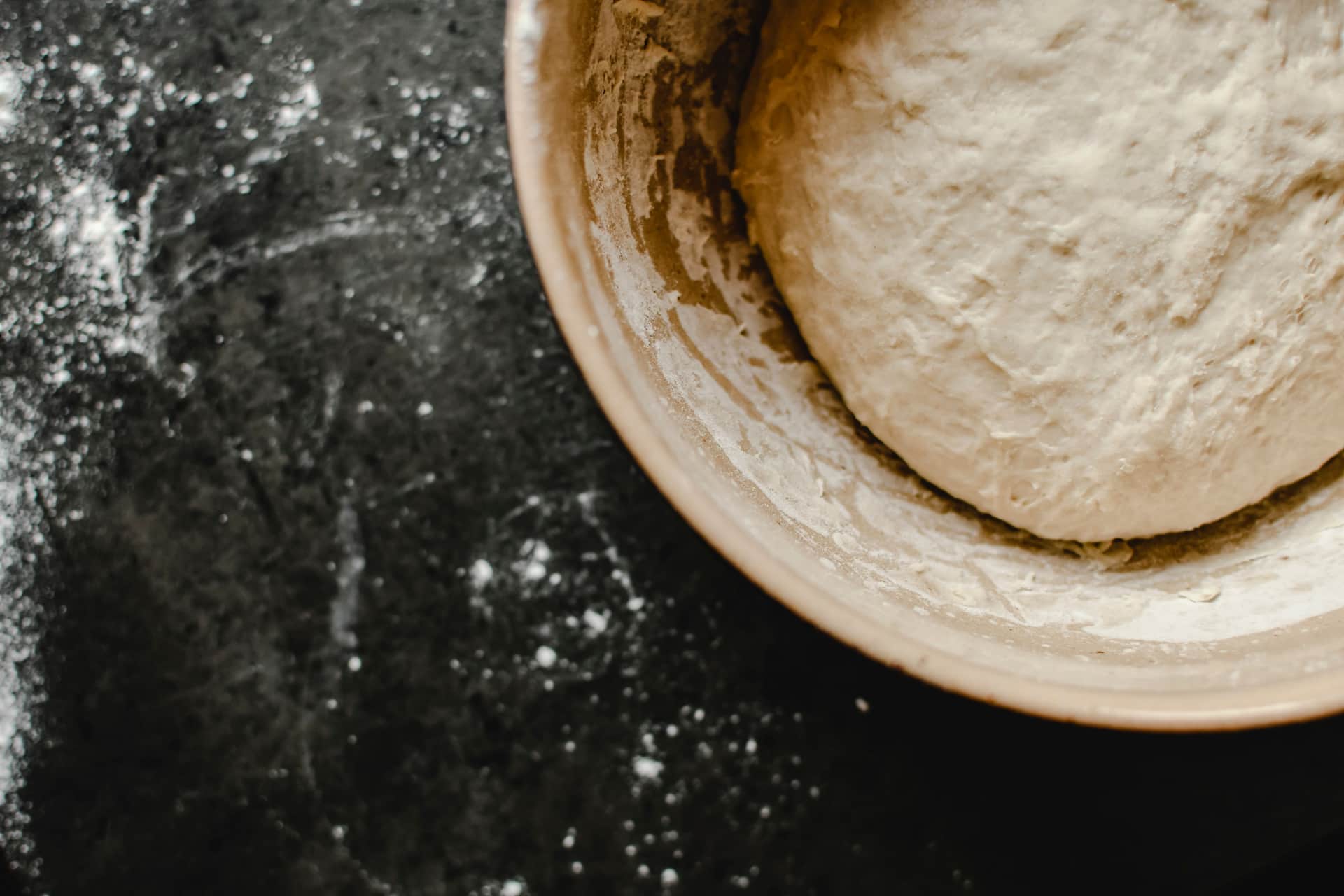
Bake with yeast if
You want bread today
Packet yeast turns bread into an afternoon. No culture to keep alive, no two-week runway, and the result is genuinely good bread. Buy a scale and nothing else.
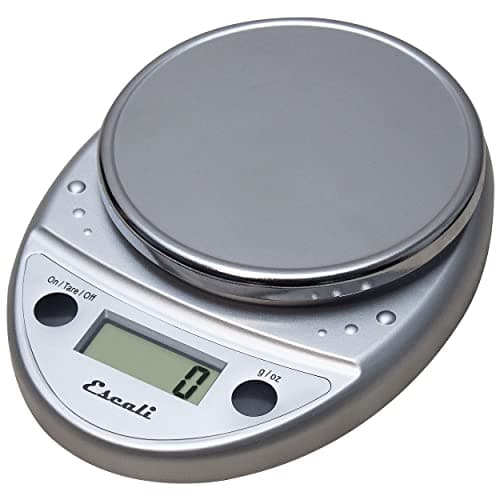
Escali Primo Digital Scale
#ad Disclosure · Price as of October 17, 2026
Bake sourdough if
You want the flavor and the process
A long fermentation develops flavor a two-hour dough cannot. It also asks for a culture you keep alive, which is the part people underestimate.
| Sourdough | Commercial yeast | |
|---|---|---|
| Leavening | A live culture you maintain | A packet you open |
| Time from decision to loaf | Two weeks to start, then a day per bake | A few hours |
| Ongoing commitment | Feed the starter, weekly or daily | None |
| Flavor | Tangier and more complex from long fermentation | Cleaner, milder |
| Extra equipment | A jar, a scale, ideally a lidded pot | A scale |
| Consistency for a beginner | Variable — depends on the starter's state | Highly predictable |
What the starter is actually doing differently
Both routes make carbon dioxide that lifts the dough. The difference is that a sourdough culture is a mixed population — wild yeasts plus lactic acid bacteria — working over many hours, and the bacteria produce acids that packet yeast does not. That is where the flavor comes from, and it is why rushing a sourdough loaf produces bread that tastes like slow yeast bread rather than like sourdough.
Time is the ingredient. Everything else is the same flour.
The honest case for yeast
Packet yeast is not a lesser technique. It is a reliable one, and for a beginner it isolates the variables: if a yeast loaf comes out badly, the problem is your shaping or your oven, not the invisible state of a culture. A lot of people would be better served baking three yeast loaves first and then starting a culture, because they arrive at sourdough already knowing what dough should feel like.
Can you use both?
Yes, and plenty of home bakers do. A small amount of commercial yeast alongside a starter shortens the rise while keeping some of the flavor. Purists object; the bread is good.
What to buy for each
For yeast bread: a scale, and a pot if you want an open crumb and a hard crust. For sourdough: the same, plus a jar and a culture. The overlap is almost total, which is why the baking gear hub applies to both.
Frequently asked
Questions
+Is sourdough better than yeast bread?
Different rather than better. Sourdough develops more flavor through a long fermentation; commercial yeast is faster and far more predictable. For a beginner, yeast bread isolates the variables and teaches you what dough should feel like.
+Can you use yeast and sourdough starter together?
Yes. A small amount of commercial yeast alongside a starter shortens the rise while retaining some of the sourdough character. It is a common home approach.
+Do sourdough and yeast bread need different equipment?
No. The same scale, bowl and lidded pot serve both. Sourdough additionally needs a jar for the starter.
Read next