Hub 05 · Kombucha, Kefir & Yogurt
Best kombucha starter kits
You are buying a live culture and starter liquid. The jar, the tea and the cloth are things you could source yourself — the SCOBY is not.
We earn a commission if you buy through our links, at no extra cost to you. We have not tested this equipment. Here is what we did instead.
Quick picks
Tap a row for the full write-up · Prices open on Amazon
| # | Product | Best for | Price |
|---|---|---|---|
| 01 | 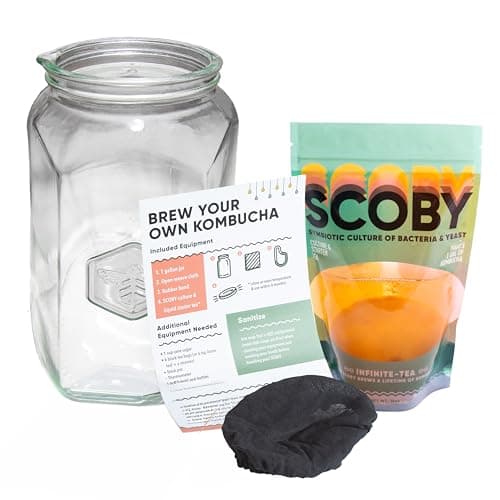 Craft A Brew kombucha kit The same idea in a smaller vessel. | A smaller first batch | |
| 02 | 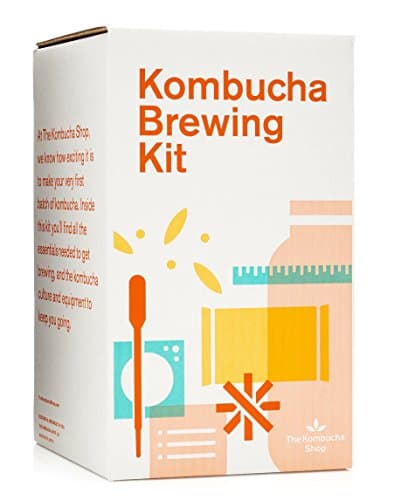 The Kombucha Shop brewing kit A gallon jar, a live SCOBY with starter liquid, tea, sugar, a cloth cover and a thermometer strip. | A complete first brew | |
| 03 | 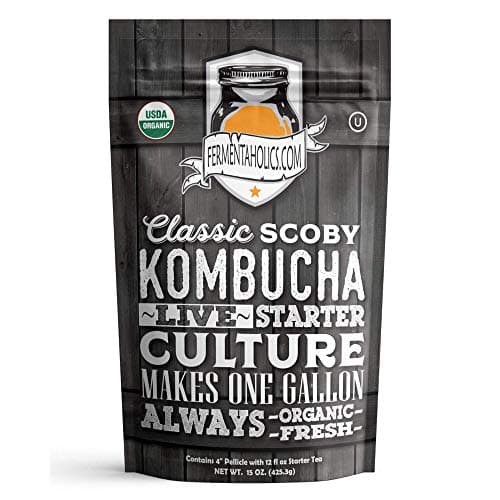 Live SCOBY with starter liquid, on its own If you have a gallon jar, a cloth and a rubber band -- and most kitchens have two of the three -- the only thing you actually need to buy is the culture. | Already owning a big jar | |
| 04 | 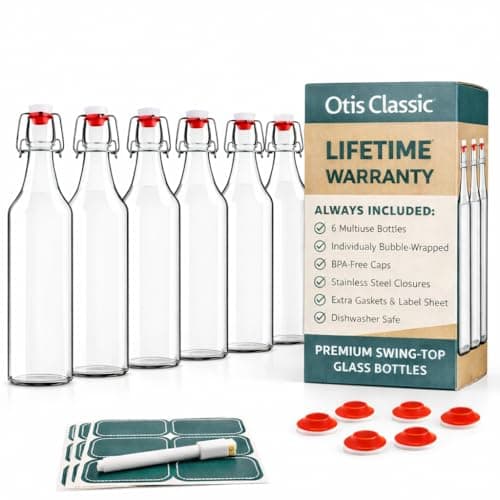 Swing-top bottles for the second ferment Kombucha only gets fizzy in a sealed bottle. | Carbonation |
#ad · We earn a commission on Amazon purchases. Prices come from Amazon and change.
A kombucha kit is a live SCOBY, some starter liquid, and a box of things you could get in a supermarket. That is not a criticism — the culture is genuinely the hard part to source, and starter liquid is what protects a first brew from going wrong.
We have put a smaller kit first, which is unusual for this category, because the batch size is the decision most people get wrong.
Start with half a gallon, not a gallon
Most kits are built around a one-gallon jar. That is about four liters of kombucha arriving at once, from a first attempt, before you know whether you like homemade kombucha at all.
A half-gallon first batch is enough to learn the process and small enough that a disappointing result is not a disappointing four liters. You can scale up once you have a culture that is thriving — and a healthy SCOBY grows, so you will be able to.
What is actually in the box
- A live SCOBY. The culture. This is what you are paying for.
- Starter liquid. Mature, acidic kombucha that lowers the pH of the new batch immediately. It is arguably more important than the SCOBY itself for a safe first brew.
- A glass jar. Any wide-mouth glass vessel of the right size does this.
- Tea and sugar. Plain black tea and plain white sugar. Nothing special.
- A cloth cover and band. A tea towel and a rubber band.
- A stick-on thermometer. Genuinely useful — temperature is the main invisible variable.
So: if you own a large glass jar, buying the culture and starter liquid on its own is the honest cheap route.
Bottles are the part everyone forgets
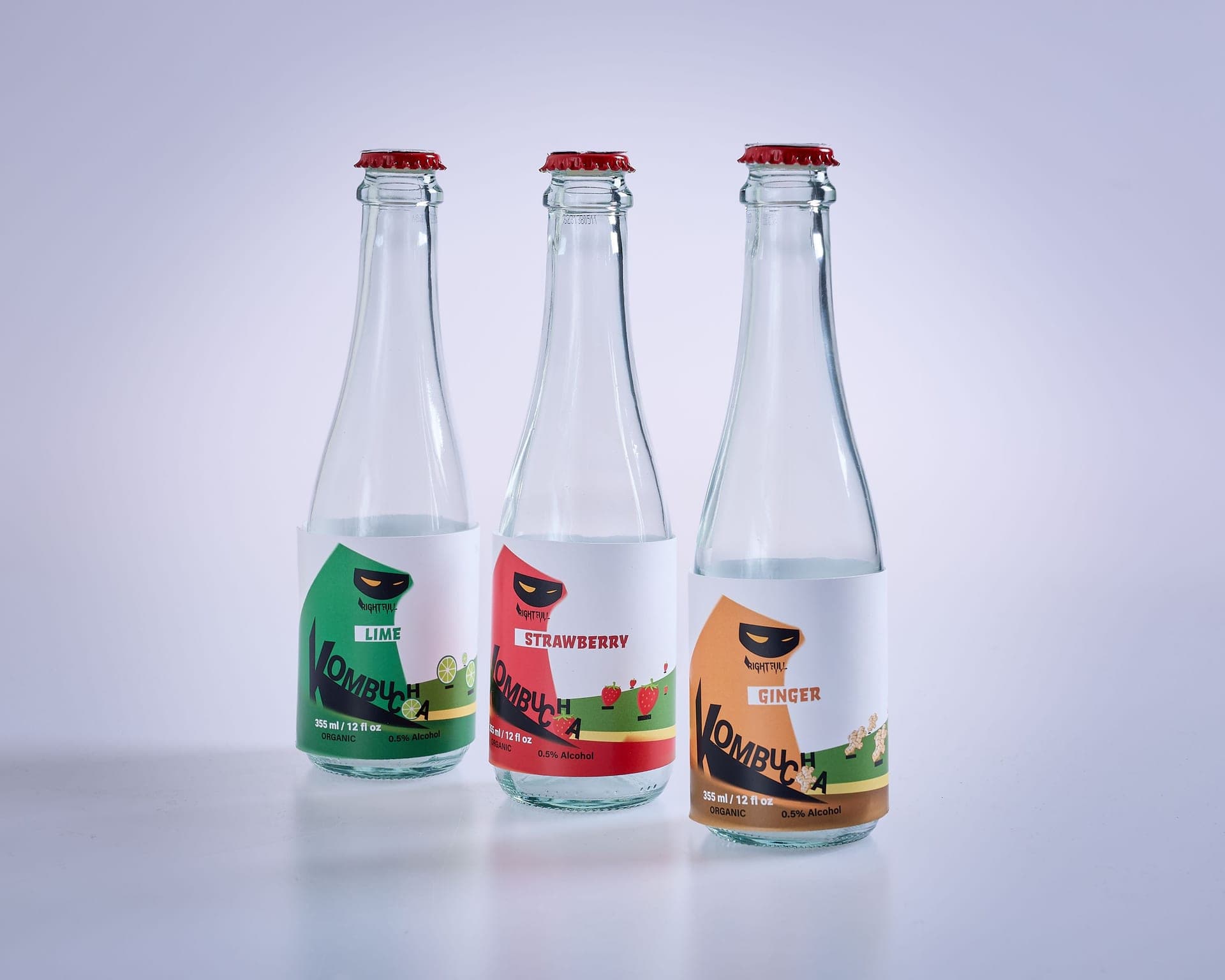
Kombucha only becomes fizzy in a sealed bottle during a second fermentation. Most starter kits do not include bottles, so people finish their first ferment with nowhere to put it.
Buy swing-top glass bottles at the same time as the kit. And treat them with respect: pressure builds fast in a warm room, and an over-fermented sealed bottle is a genuine hazard. Burp them, and refrigerate once they are carbonated.
Plain black tea and plain white sugar
This is where beginners improvise and it is the wrong place to do it. The culture is adapted to sugared tea. Herbal infusions are not tea and do not feed it the same way; flavored teas can carry oils that a culture does not tolerate well; honey and unrefined sugars change the equation.
Brew plain. Flavor at the second ferment, in the bottle, with fruit or juice — which is where the flavor comes from in commercial kombucha too.
Every pick, in order
The full write-ups
Pick 01 · A smaller first batch
Craft A Brew kombucha kit
Craft A Brew
The same idea in a smaller vessel. Half a gallon is a more honest amount to make when you do not yet know whether you like homemade kombucha, and the reduced commitment is the actual feature.
Vessel
Glass brewing jar, commonly half-gallon
Culture
Live SCOBY with starter liquid
Included
Tea, sugar, cover, band
Cycle
Typically 7-21 days for the first ferment
Specs compiled from: Manufacturer product listing and product name
What is good
- A batch size you will actually drink before it goes sharp
- Smaller jar fits on a normal shelf
- Cheaper entry than a gallon kit
What is not
- You will want the bigger jar if you keep going
- Fewer accessories than the larger kits
- Smaller volumes swing in temperature more
#ad Disclosure · Price as of October 17, 2026
Pick 02 · A complete first brew
The Kombucha Shop brewing kit
The Kombucha Shop
A gallon jar, a live SCOBY with starter liquid, tea, sugar, a cloth cover and a thermometer strip. The live culture is the part that matters and the part that is awkward to source separately.
Vessel
One-gallon glass brewing jar
Culture
Live SCOBY with starter liquid
Included
Tea, sugar, cloth cover, band, thermometer strip
Cycle
Typically 7-21 days for the first ferment
Specs compiled from: Manufacturer product listing and product name
What is good
- The live SCOBY and starter liquid are the hard part, and they are in the box
- The stick-on thermometer removes the main variable a beginner cannot see
- Enough tea and sugar for a first batch, so nothing else is needed
What is not
- A gallon is a lot of kombucha to commit to on batch one
- Live culture means shipping timing matters
- The jar is the least special thing in a fairly expensive box
#ad Disclosure · Price as of October 17, 2026
Pick 03 · Already owning a big jar
Live SCOBY with starter liquid, on its own
Type pick -- culture only
If you have a gallon jar, a cloth and a rubber band -- and most kitchens have two of the three -- the only thing you actually need to buy is the culture. This is the cheapest honest route into kombucha.
Contents
Live SCOBY plus starter liquid
You supply
Jar, cloth cover, band, tea, sugar
Shipping
Live product; check the seller's handling instructions
Storage
Brew soon after arrival, or hold in a SCOBY hotel
Specs compiled from: Product-type description; capacity and material as listed by sellers
What is good
- A fraction of the price of a full kit
- No jar you did not need
- The starter liquid is what actually protects a first brew from mold
What is not
- You must already have or buy a suitable jar
- No instructions in the box on some listings
- Live shipping is the weak point in any SCOBY purchase
#ad Disclosure · Price as of October 17, 2026
Pick 04 · Carbonation
Swing-top bottles for the second ferment
Type pick -- flip-top glass bottles
Kombucha only gets fizzy in a sealed bottle. Swing-top glass bottles are what hold that pressure safely. Buy them with the kit or you will finish a first ferment with nowhere to put it.
Type
Swing-top (flip-top) glass bottles
Size
Commonly 16 oz / 500 ml
Seal
Ceramic or plastic cap with a rubber gasket
Safety
Burp regularly; pressure builds fast in a warm room
Specs compiled from: Product-type description; capacity and material as listed by sellers
What is good
- The only sensible way to carbonate a second ferment
- Reusable indefinitely with replacement gaskets
- Sold in packs, which is the quantity you need
What is not
- Pressure is a real hazard -- over-fermented bottles can fail
- Gaskets perish and must be replaced
- Bulky to store empty
#ad Disclosure · Price as of October 17, 2026
How we picked
We have not tested any of this equipment. What we did instead: compiled the published specifications from each manufacturer’s own listing, checked them against the task a beginner is actually trying to do, read the care instructions, and named the thing we would skip. Where a pick is a product type rather than a brand, it is because the category is sold mostly unbranded and the type is the real decision.
Frequently asked
Questions
+What do I need to start brewing kombucha?
A live SCOBY with starter liquid, a wide-mouth glass jar, plain black tea, plain white sugar, a cloth cover and a band. For the fizzy second ferment you also need swing-top bottles, which most kits do not include.
+What is kombucha starter liquid?
Mature, acidic kombucha from a previous batch. It drops the pH of the new brew immediately, which is what protects a first batch while the culture gets going. It matters as much as the SCOBY itself.
+Can I use herbal or flavored tea for kombucha?
Brew with plain black tea. Herbal infusions are not tea and do not feed the culture the same way, and flavored teas can carry oils the culture tolerates poorly. Add flavor at the second ferment, in the bottle.
+How long does a kombucha batch take?
Typically one to three weeks for the first ferment depending on temperature, then a few days in sealed bottles for carbonation. Taste as you go rather than following the clock.
Read next