Hub 05 · Kombucha, Kefir & Yogurt
Milk kefir vs yogurt
One ferments on the counter with nothing plugged in. The other needs a controlled temperature for hours. That difference decides almost everything else.
We earn a commission if you buy through our links, at no extra cost to you. We have not tested this equipment. Here is what we did instead.
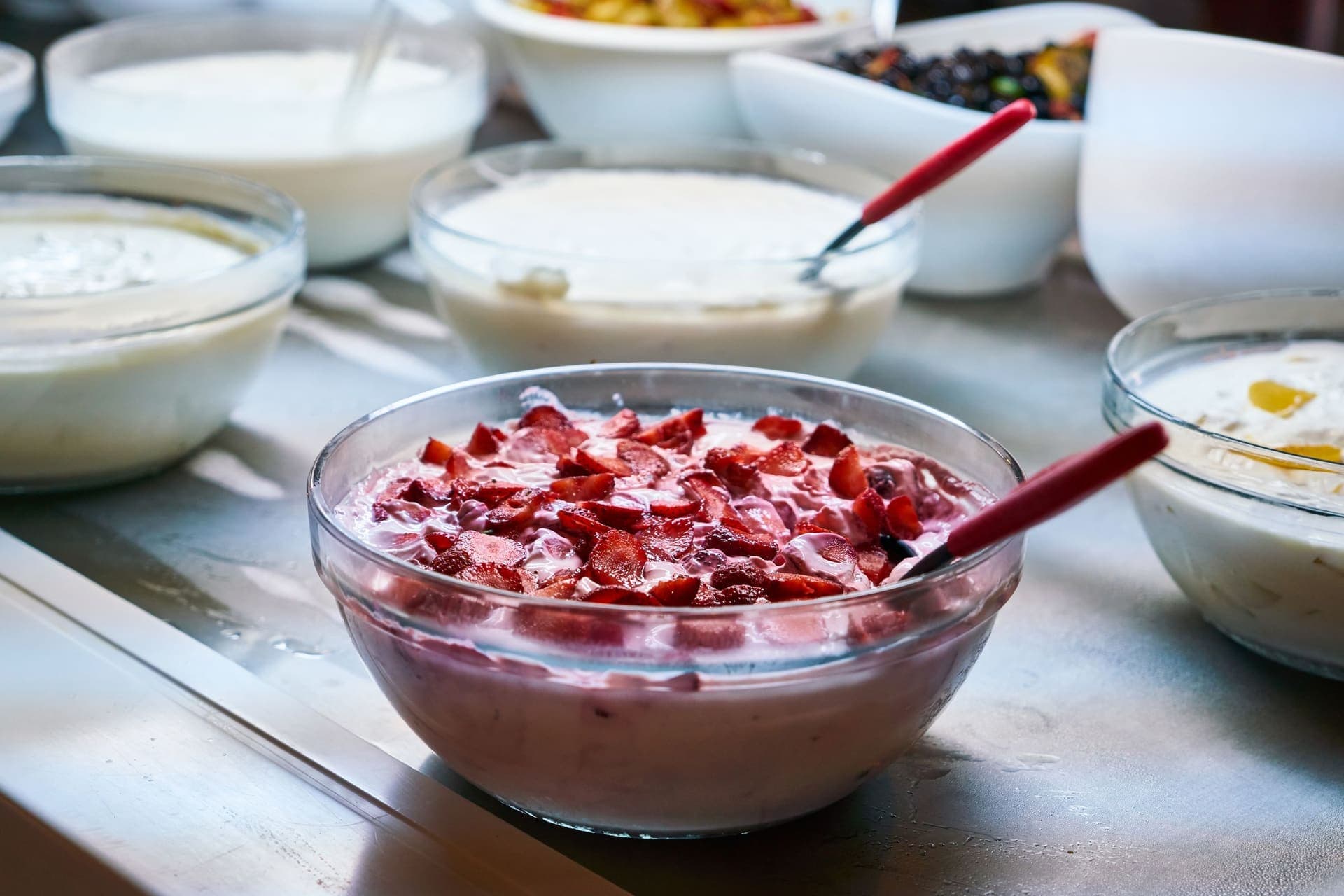
Both are cultured milk. Both are made at home by people who got tired of buying them. But they are made in genuinely different ways, and the difference is not flavor or difficulty — it is whether you need to hold milk at a controlled temperature for hours.
Kefir does not. You put grains in milk on the counter, and a day later it is kefir. Yogurt does: it needs to sit somewhere around 110°F for several hours, and hitting that reliably in a domestic kitchen is what yogurt makers, Instant Pots and a great deal of internet improvisation exist to solve.
Make kefir if
You want the least equipment
There is no appliance, no thermometer and no heating step to get wrong. A jar, grains, milk and a strainer. The grains are reusable indefinitely, so after the first purchase it costs only milk.
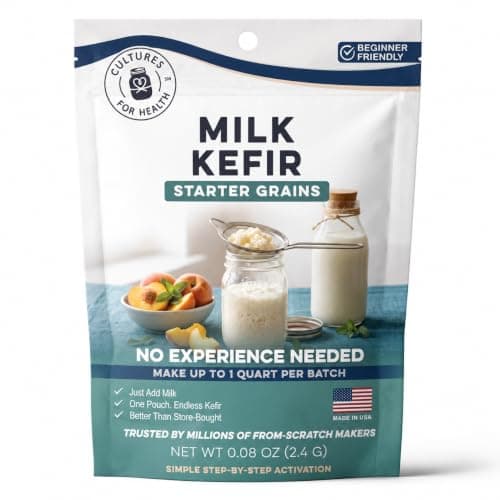
Cultures for Health Milk Kefir Grains (dehydrated)
#ad Disclosure · Price as of October 17, 2026
Make yogurt if
You want something to eat with a spoon
Kefir is a drink and no technique makes it a thick, spoonable one. Yogurt is, and strained it is thicker again. The price is holding milk near 110°F for hours, which is what the appliance is for.
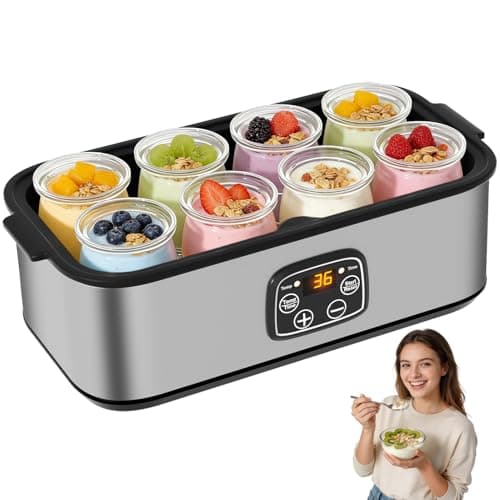
HOPERAN Yogurt Maker, 8 Jars, Adjustable Time and Temperature
The real differences
| Milk kefir | Yogurt | |
|---|---|---|
| Heat needed | None - room temperature | Held around 110F for hours |
| Equipment | A jar and a strainer | A maker, an Instant Pot, or careful improvisation |
| Culture | Grains, reusable indefinitely | A spoonful of the last batch, or a fresh sachet |
| Time | About 24 hours, unattended | 4-12 hours, temperature-controlled |
| Texture | Drinkable, thinner than yogurt | Spoonable; thicker again if strained |
| Ongoing cost | Milk only | Milk, plus a new culture when a line weakens |
Why the temperature requirement matters so much
It is easy to read “hold it at 110°F” and assume an oven light or a warm cupboard will do. Sometimes it does. But yogurt cultures are fussier about temperature than most home ferments, and the failure mode is not dramatic — you get thin, sour, disappointing milk rather than anything alarming, which makes it hard to diagnose.
That is the entire argument for a dedicated appliance, and it is why we have a separate page on whether a yogurt maker is worth it against an Instant Pot. Kefir sidesteps the question completely: room temperature is the correct temperature, and a kitchen that is a bit cool just means it takes longer.
Which one fits your kitchen
- You want the least equipment and the fewest decisions. Kefir. The whole apparatus is a jar.
- You want something to eat with a spoon, with fruit. Yogurt. Kefir is a drink, and no amount of technique makes it a thick spoonable one.
- You already own an Instant Pot with a yogurt function. Yogurt, because the equipment barrier has already been paid.
- You want Greek-style thickness. Yogurt, strained. Straining is a separate step with its own equipment, and it throws off a lot of whey.
- You travel, or you are inconsistent. Neither is ideal, but yogurt is more forgiving of gaps — you make a batch when you want one. Kefir grains need feeding whether you are interested that week or not.
The ongoing-cost question nobody asks first
Kefir grains are a one-time purchase that multiply. Yogurt is usually propagated by saving a spoonful of the last batch, which works for a while and then gradually stops working well — the culture drifts, the set gets weaker, and you buy a fresh sachet or start from a shop-bought pot again.
Over a year that difference is small in money and noticeable in hassle. It is the main reason people who make both eventually keep the kefir going continuously and make yogurt in batches when they want it.
Our answer
Make kefir first. Not because it is better — they are different foods — but because it removes every variable except the culture itself, and a first ferment that works teaches you more than a first ferment that fails for reasons you cannot see. Then make yogurt when you want something thick, and by then you will know whether it is worth buying a machine for.
Frequently asked
Questions
+Is milk kefir easier to make than yogurt?
Yes, in the sense that matters: kefir needs no temperature control and no equipment beyond a jar and a strainer, while yogurt has to be held near 110°F for hours. That single difference is why kefir is the usual recommendation for a first dairy ferment.
+Can you use kefir grains to make yogurt?
No. They are different cultures and they produce different results. Kefir grains make kefir; yogurt needs a yogurt culture, either a sachet or a spoonful of an existing batch.
+Which is thicker, kefir or yogurt?
Yogurt, and by a wide margin if it is strained. Kefir is a drinkable consistency — somewhere between milk and thin yogurt — and that is what it is supposed to be rather than a failure to thicken.
+Do you need a yogurt maker, or will an Instant Pot do?
An Instant Pot with a yogurt function does the job, and if you own one there is little reason to buy a dedicated machine. We compare the two directly on the yogurt maker page.
+Which is cheaper to keep making?
Kefir, marginally. Grains multiply and are a one-time purchase, so the running cost is milk. Yogurt cultures propagated from the last batch weaken over time and are periodically replaced, which adds a small recurring cost.
Read next