Hub 04 · Fermenting Vegetables
Kimchi vs sauerkraut
Sauerkraut is cabbage and salt. Kimchi is cabbage, salt and a paste you have to make first. That difference decides almost everything else.
We earn a commission if you buy through our links, at no extra cost to you. We have not tested this equipment. Here is what we did instead.
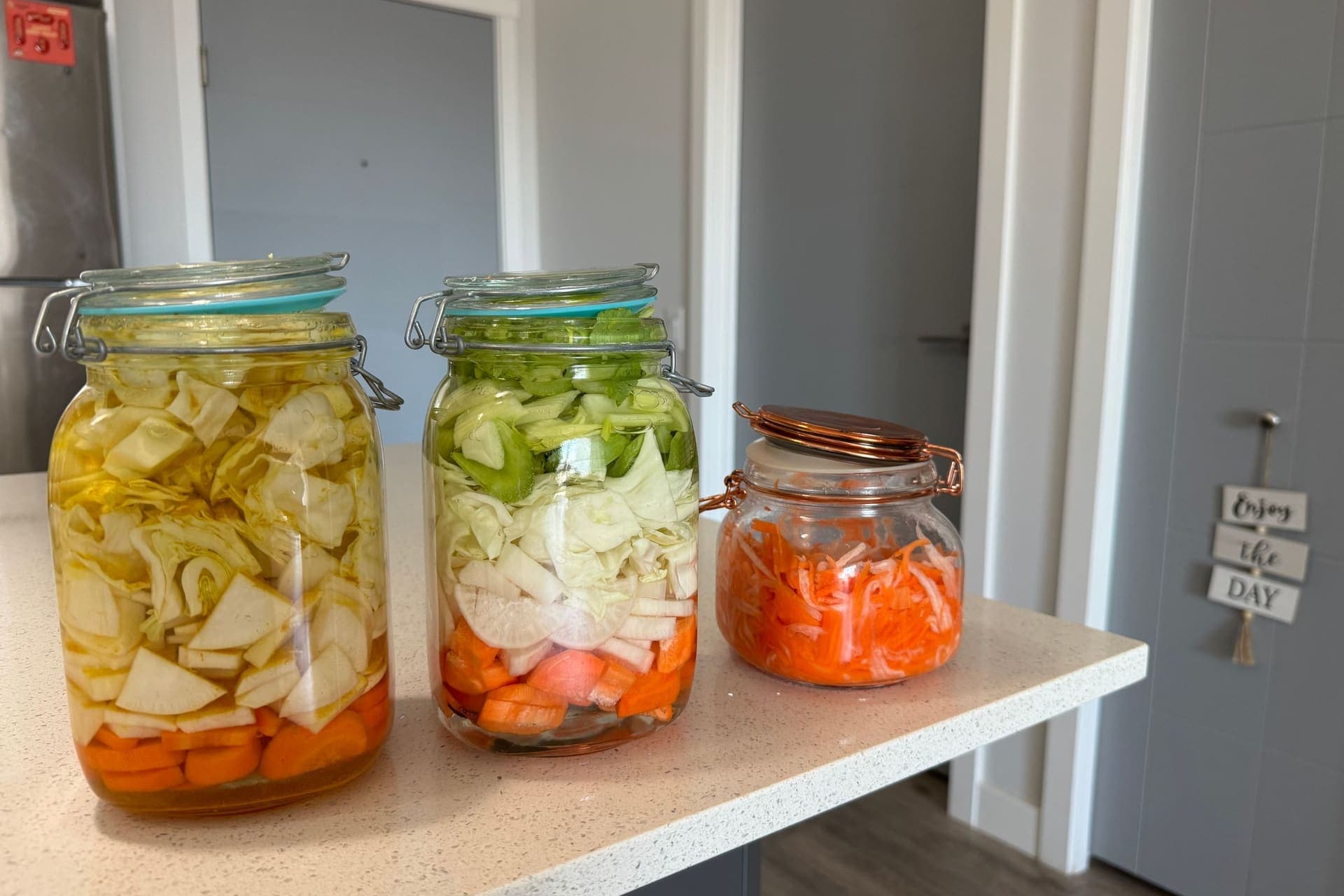
Both are cabbage preserved by salt and time, and both are made by the same mechanism: salt draws water out of the vegetable, the vegetable sits in that brine away from air, and the bacteria you want take over. Everything on the safety page applies equally to both.
The differences that matter when you are deciding which to make tonight are not about flavor. They are about how many things you have to buy, how the salt gets into the cabbage, and where the finished jar lives.
Make sauerkraut first if
You want to ferment something this evening
Cabbage and salt. That is the entire ingredient list, you probably own the jar, and the failure modes are visible and obvious. It is the cleanest possible introduction to how fermentation actually works.
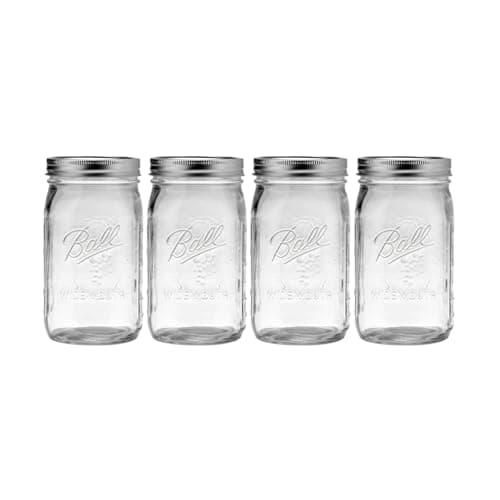
Wide-mouth quart mason jar
#ad Disclosure · Price as of October 17, 2026
Make kimchi first if
It is the thing you actually want to eat
There is no point making a jar of something you are lukewarm about. Kimchi needs a shopping trip and one more technique, but neither is difficult, and wanting to eat the result is the best predictor of whether you keep going.
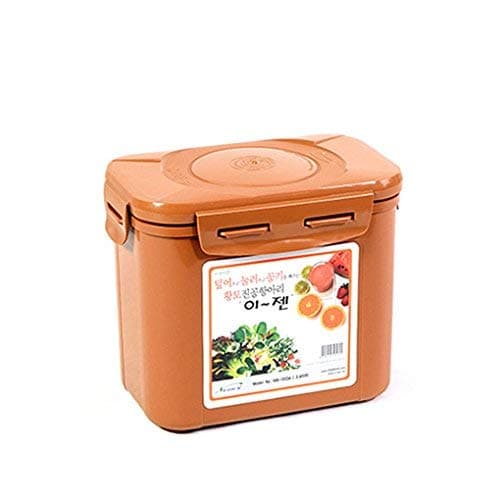
E-Jen Premium Kimchi Container with inner press lid
#ad Disclosure · Price as of October 17, 2026
The differences that actually matter
| Sauerkraut | Kimchi | |
|---|---|---|
| Ingredients | Cabbage and salt | Cabbage, salt, and a paste of several things |
| Cabbage | Green cabbage, shredded fine | Usually napa, often cut in wider pieces |
| How the salt goes in | Dry-salted, then pounded to make its own brine | Usually salted or soaked, then drained, then pasted |
| Where it ferments | Room temperature, under a weight, for weeks | A few days at room temperature, then the fridge |
| Does it keep changing? | Slows right down once it is cold | Keeps fermenting in the fridge for months |
| Equipment that matters | A weight and an airlock lid | A container that copes with pressure and smell |
| First batch effort | Fifteen minutes | An hour, plus shopping |
Two ingredients against a shopping list
This is the honest core of the comparison. Sauerkraut is cabbage and salt, in a ratio, in a jar. There is nothing else to buy, nothing to prepare first, and nothing that can be wrong except the ratio and the submersion.
Kimchi needs a paste, and the paste needs its own ingredients: gochugaru, garlic, ginger, usually something savory like fish sauce or salted shrimp, often a little sugar or a rice-flour porridge to carry it. Many versions also add spring onion and radish. None of that is difficult, but it is a trip to a shop that stocks Korean ingredients, or an online order, before you start.
If you are standing in your kitchen right now with a cabbage, that is the whole argument for making sauerkraut tonight and kimchi next week.
The salting is genuinely different
People assume the two are the same process with different seasoning. They are not, and this is the part that catches people out.
Sauerkraut is dry-salted. You shred the cabbage, weigh it, add a percentage of salt, and then crush and pack it until the cells break down and release enough liquid to cover itself. The brine is made from the cabbage. That is why a tamper and an even shred matter so much.
Kimchi is usually salted and drained. The cabbage is salted or soaked in brine for a few hours, rinsed and drained, and only then mixed with the paste. You are not trying to make the cabbage produce a covering brine, because the paste coats it instead. It is a different physical job with different equipment implications.
Gochugaru is the one thing you cannot improvise
Everything else in a kimchi paste has a workable substitute. Gochugaru does not. It is a Korean chili with a particular character: much milder than most crushed red pepper, fruitier, and coarse rather than dusty.
Standard crushed red pepper flakes from a pizza shaker, cayenne, or paprika all produce something, and that something is not kimchi — usually far hotter and flatter in flavor, with the wrong color. If you make one special purchase for this, make it this one.
Two practical notes. Buy coarse grind rather than fine, because the paste wants texture. And buy a quantity you will finish, because ground chili fades: a pound is a lot of kimchi.
Buy the pound if
You already know you will keep making it
Cheapest per ounce, coarse grind, and the only one here that publishes a heat figure. It is a lot of chili, so buy it when kimchi is a habit rather than an experiment.
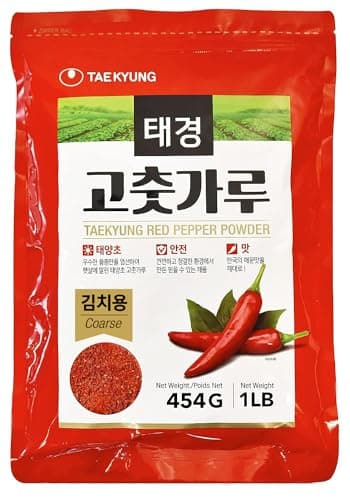
Taekyung Gochugaru Korean Chili Flakes, 1 lb
#ad Disclosure · Price as of October 17, 2026
Buy the half pound if
This is your first batch
Still more than one cabbage needs, but a realistic amount to own. You pay more per ounce and the listing does not state the grind, which is the one thing you would want it to say.
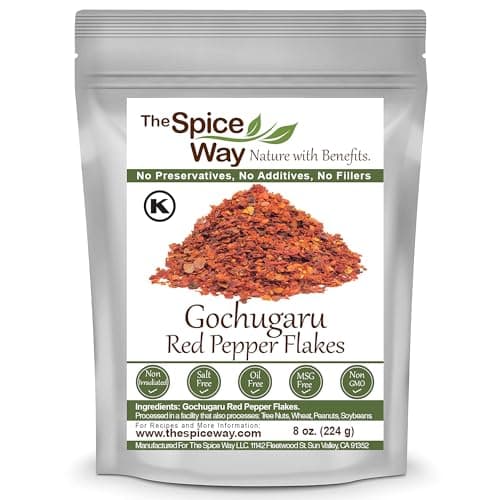
The Spice Way Gochugaru Korean Red Pepper Flakes, 8 oz
#ad Disclosure · Price as of October 17, 2026
Why kimchi containers exist
Sauerkraut ferments under a weight with the gas escaping through an airlock, and the weight is the critical part because anything above the brine is exposed.
Kimchi is coated rather than submerged, so a weight matters less. What matters instead is that it keeps producing gas for months in your fridge, and that it smells assertive enough to flavor everything near it. That is the whole reason purpose-made kimchi containers exist: an inner press lid that follows the batch down as it shrinks, and a seal that copes with pressure without the jar becoming a problem.
You can absolutely make kimchi in a mason jar. Leave more headspace than feels necessary, and open it over a sink for the first week.
Timeline, and what "done" means
Sauerkraut is a slow room-temperature ferment — typically a few weeks before it tastes the way most people want, then cold storage where it changes very slowly. There is a reasonably clear moment when it is ready.
Kimchi is usually left at room temperature only briefly, a day or several depending on how warm the kitchen is and how sour you like it, then moved to the fridge where it keeps fermenting for months. There is no single done point; it is a continuum, and many people prefer older, sourer kimchi for cooking and younger for eating fresh.
Our answer
Make sauerkraut first. Not because it is better — they are different foods and plenty of people only ever want kimchi — but because it isolates the thing you are actually learning. Cabbage, salt, submersion, time. When that works and you understand why, adding a paste is a small step rather than another variable in a batch that has already gone wrong.
Then make kimchi, because it is the one more people eat every week. The method is on the sauerkraut page for the first, and the containers are compared for the second.
Frequently asked
Questions
+What is the difference between kimchi and sauerkraut?
Sauerkraut is cabbage and salt, dry-salted and pounded until it makes its own covering brine, then fermented at room temperature for weeks. Kimchi is cabbage that is salted and drained, then coated in a paste of gochugaru, garlic, ginger and usually something savory, and it keeps fermenting in the fridge for months.
+Which is easier to make, kimchi or sauerkraut?
Sauerkraut, clearly. It has two ingredients you probably already have and takes about fifteen minutes. Kimchi is not difficult, but it needs a paste made from several ingredients you likely have to buy first.
+Can I use regular chili flakes instead of gochugaru?
Not really. Gochugaru is milder, fruitier and coarser than ordinary crushed red pepper, and substituting usually gives something much hotter, flatter in flavor and the wrong color. It is the one ingredient in kimchi worth buying properly.
+Do you need a special container for kimchi?
No, a mason jar works — leave extra headspace and open it over a sink for the first week. A purpose-made kimchi container earns its place later: it has an inner press lid that follows the batch down and a seal built for something that keeps producing gas in your fridge for months.
+Does kimchi need a fermentation weight like sauerkraut?
Less so. Sauerkraut must stay fully under its own brine, which is what the weight is for. Kimchi is coated in paste rather than submerged in brine, so a press lid that keeps it compact matters more than a weight that holds it under liquid.
+Is the salt different for kimchi and sauerkraut?
No. Both want pure salt with no iodine and no anti-caking agents, weighed rather than measured by spoon. Coarse sea salt is traditional for the kimchi soak, but there is no special salt you have to buy for either one.
Read next