Hub 04 · Fermenting Vegetables
Best fermentation weights
The cheapest item in the category and the one that prevents the most failures. Everything above the brine meets air, and air is where ferments go wrong.
We earn a commission if you buy through our links, at no extra cost to you. We have not tested this equipment. Here is what we did instead.
Quick picks
Tap a row for the full write-up · Prices open on Amazon
| # | Product | Best for | Price |
|---|---|---|---|
| 01 | 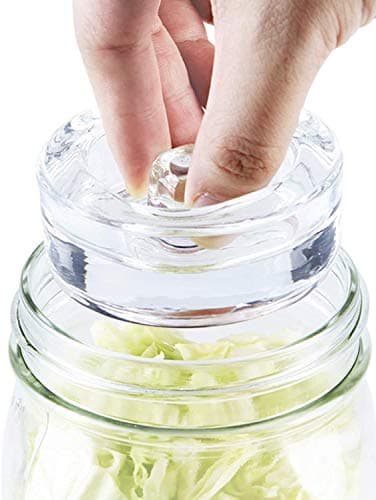 Glass fermentation weight with a lifting knob A glass disc with a raised knob or a notch. | Getting the weight back out | |
| 02 | No weight at all: the cabbage-leaf method Fold a whole outer cabbage leaf over the packed shreds and press it under the brine. | A first ferment costing nothing | |
| 03 | 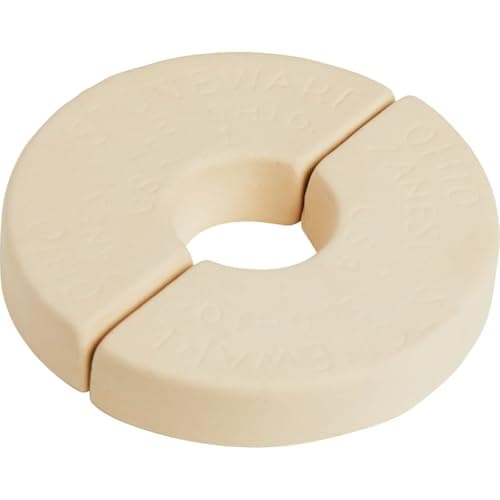 Ceramic or stoneware fermentation weight Heavier than glass for the same footprint, which is what a crock needs. | Crocks rather than jars |
#ad · We earn a commission on Amazon purchases. Prices come from Amazon and change.
A fermentation weight does one thing: it keeps the vegetables under the brine. That sounds trivial and it is the difference between a jar of sauerkraut and a jar you throw away, because anything floating above the liquid is in contact with air, and the surface is where every vegetable ferment fails.
It is also the cheapest thing in this category, and the item people most often skip.
The lifting knob is the actual feature
A flat glass disc at the bottom of a jar full of brined cabbage is genuinely difficult to get out. You end up tipping the jar over the sink or digging with a fork, and both of those disturb the ferment.
A raised knob or a finger notch fixes it completely. It costs nothing extra and it is the single specification worth checking before you buy — bundled kit weights are frequently the knob-less kind.
Glass or ceramic?
Glass for jars. Inert against an acidic brine, dishwasher safe, cheap in multipacks, and you can see through it to check the level underneath.
Ceramic or stone for crocks. Heavier for the same footprint, which is what a large volume of cabbage needs, and usually sold as two half-moons so they fit through the crock mouth. Crock weights come sized to the crock, which is why buying a crock with its weights included matters.
The free method that actually works
Fold a whole outer cabbage leaf over the packed shreds and press it under the brine. This is how it was done before weights were a product, it costs nothing, and for a jar of sauerkraut it works.
Its limits are real: it works best for leafy ferments, it floats loose more easily than a weight, and you have to remember to keep a whole outer leaf back rather than shredding it. For cucumbers, beans or carrots, use a weight.
Mouth size, again
A weight has to be slightly smaller than the jar mouth to go in, and large enough to cover the vegetables. Wide-mouth and regular-mouth weights are not interchangeable, and mismatches are the commonest return in this category.
Buy your lids and your weights together, in the same mouth size, and the problem disappears. If you would rather not buy one at all yet, a folded cabbage leaf and a small jar do the same job — the alternatives are here.
Headspace
Leave an inch or two between the brine and the lid. A ferment rises as it produces gas, and a jar packed to the rim pushes brine out past the lid — which drops the level and can leave the top of the ferment exposed even with a weight in place.
The other half of that story is what the airlock does with the gas, which is in best fermentation kits.
Every pick, in order
The full write-ups
Pick 01 · Getting the weight back out
Glass fermentation weight with a lifting knob
Type pick
A glass disc with a raised knob or a notch. The knob is not decoration -- a flat glass disc at the bottom of a jar of brined cabbage is genuinely difficult to retrieve without tipping the jar over the sink.
Material
Glass
Fits
Sized per jar mouth -- wide and regular both sold
Feature
Raised knob or finger notch
Care
Dishwasher safe
Specs compiled from: Product-type description; capacity and material as listed by sellers
What is good
- The knob solves the one real problem with glass weights
- Glass is inert, so nothing leaches into an acidic brine
- Cheap in multipacks
What is not
- The knob takes up headspace you might want for brine
- Glass chips, and a chipped edge in food is not acceptable
- Must match the jar mouth exactly, or it is useless
#ad Disclosure · Price as of October 17, 2026
Pick 02 · A first ferment costing nothing
No weight at all: the cabbage-leaf method
Technique, not a product
Fold a whole outer cabbage leaf over the packed shreds and press it under the brine. It is the traditional method, it costs nothing, and for a first jar of sauerkraut it works. Buy weights when you get tired of it.
Cost
Nothing
Works for
Cabbage-based ferments, best in a jar
Limitation
Less reliable for cucumbers, carrots and beans
Method
Fold the leaf, press under the brine, top up if needed
Specs compiled from: Product-type description; capacity and material as listed by sellers
What is good
- Free, and it is what the technique existed as before weights were sold
- One less object to store and wash
- Nothing to mismatch to your jar's mouth size
What is not
- Floats loose more easily than a weight, and floaters are where mold starts
- Needs a whole outer leaf you did not shred
- Poor for anything that is not leafy
Pick 03 · Crocks rather than jars
Ceramic or stoneware fermentation weight
Type pick
Heavier than glass for the same footprint, which is what a crock needs. In a jar the extra mass is unnecessary; in a five-liter crock full of cabbage, it is the difference between submerged and not.
Material
Glazed ceramic or stoneware
Fits
Crocks; sold sized to specific crock diameters
Form
Usually two half-moon pieces
Care
Hand-wash; check the glaze for chips
Specs compiled from: Product-type description; capacity and material as listed by sellers
What is good
- Enough mass to hold down a full crock of cabbage
- Half-moon pairs fit through a crock mouth a single disc could not
- Matches the crock it was made for
What is not
- Sized to a specific crock -- measure before buying
- Heavy enough to crack a glass jar if you drop it in
- Unglazed edges can harbor residue; inspect them
#ad Disclosure · Price as of October 17, 2026
How we picked
We have not tested any of this equipment. What we did instead: compiled the published specifications from each manufacturer’s own listing, checked them against the task a beginner is actually trying to do, read the care instructions, and named the thing we would skip. Where a pick is a product type rather than a brand, it is because the category is sold mostly unbranded and the type is the real decision.
Frequently asked
Questions
+Do I need fermentation weights?
You need something holding the vegetables under the brine. A purpose-made weight is the reliable answer; a folded outer cabbage leaf pressed under the surface is the free one and works for leafy ferments.
+What can I use instead of a fermentation weight?
A whole outer cabbage leaf folded over the top. Avoid garden stones, which are porous and cannot be properly sanitized, and plastic bags of brine, which put thin film in prolonged contact with an acidic ferment and fail messily.
+What size fermentation weight do I need?
One sized to your jar mouth — wide-mouth and regular-mouth weights are not interchangeable. It should pass through the mouth and still cover the vegetables. Buying lids and weights as a matched set removes the guesswork.
+Why does my ferment need to stay under the brine?
Anything above the liquid is exposed to air, and the surface is where mold and surface yeast take hold. Submerged vegetables sit in an environment those organisms cannot establish in.
Read next