Hub 03 · Sourdough Baking Gear
Do you need a proofing box?
No. A proofing box holds dough at a steady warm temperature, and an oven with its light on does the same thing for free. Here is the narrow case where it stops being true.
We earn a commission if you buy through our links, at no extra cost to you. We have not tested this equipment. Here is what we did instead.
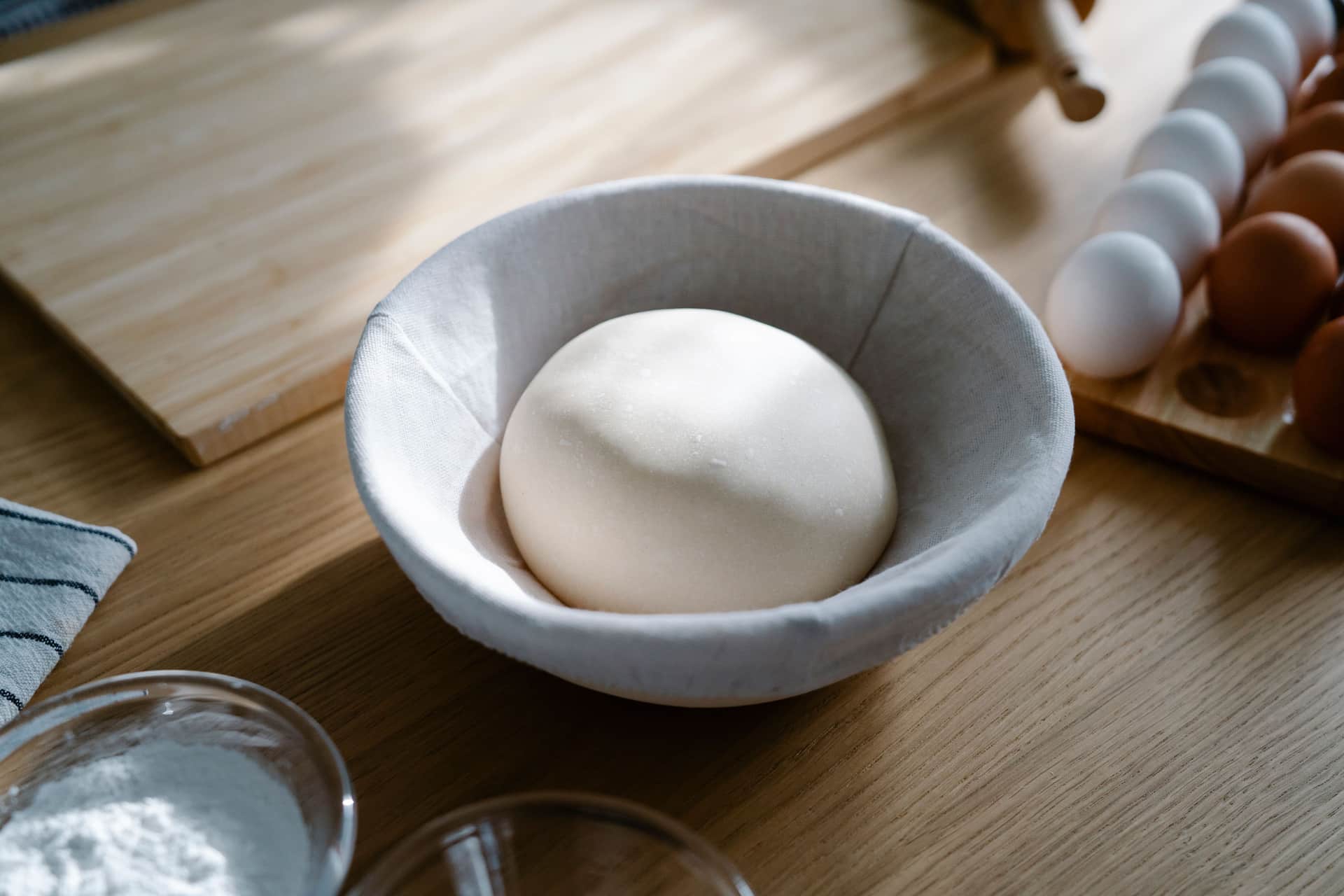
No. A proofing box is a heated cabinet that holds dough at a set temperature. It does that well. But an oven with the light switched on and the door shut holds a usefully warm, reasonably steady temperature for nothing, and it is where most home sourdough gets proofed.
This page exists because “proofing box” is what people search when their kitchen is cold and their dough is not moving. The cold kitchen is the real problem, and there are four ways to fix it before you spend money.
What a proofing box actually does
It holds a temperature. That is the entire function. Dough ferments faster when it is warm and slower when it is cold, and a room that swings between 62F overnight and 72F in the afternoon makes every bake a different bake. A proofer removes that variable.
What it does not do is improve bread. A loaf proofed at a steady temperature is more predictable, not better. Understanding the difference is what keeps this purchase in proportion.
The free alternatives, in order
- Oven with the light on, door shut. The standard answer. An incandescent bulb warms a closed oven by a several degrees, often into the mid-seventies to low eighties Fahrenheit. Check it once with a thermometer, because ovens and bulbs vary — and an LED bulb produces almost no heat, which is why this trick fails in some newer ovens.
- Oven, light off, with a bowl of just-boiled water. Works in an LED-lit oven. Refresh the water if you are proofing for hours.
- A cooler box with a jar of warm water in it. A picnic cooler is an insulated box, which is what a proofer mostly is. Cheap, effective and already in many garages.
- Somewhere warm in the house. The top of a fridge, an airing cupboard, a sunny worktop. Less controlled, entirely free.
All four are covered by the same principle: you are not heating the dough, you are giving it a small insulated space that does not lose heat as fast as your kitchen does.
The case for buying one
There is one, and it is narrow. A proofer earns its money if all of these are true:
- Your kitchen is genuinely cold for months at a time — not chilly, but the kind of cold where dough takes twice as long as any recipe says.
- You bake often enough that the variability is costing you loaves rather than being an occasional annoyance.
- You also want it for something else. The folding proofers double as yogurt and slow-cook boxes, which is what turns a single-purpose appliance into a used one.
- You have somewhere to put it. This is the reason the folding design exists.
If fewer than three of those are true, the money is better spent almost anywhere else. The full spending order is in what a complete first setup costs, and the proofing box appears by name at the top of what beginners waste money on.
If you buy one anyway
The folding proofer is the design worth knowing about, because the objection to every other proofing box is where you keep it. It collapses to under three inches high, holds a set temperature far more tightly than an oven light, runs a slow-cook mode reaching 195F according to the manufacturer, and ships with a water tray for humidity.
Two limits worth knowing before you order. It only warms — if your kitchen is already above the set point, it cannot cool the dough down. And its interior is about 14.75 by 12.5 inches, which is one large bowl or two small ones, not a bakery rack.
The refrigerator is the other half of this
Warmth is only one direction. Putting a shaped loaf in the refrigerator overnight — retarding it — slows fermentation right down, and it is the single most useful temperature trick in home sourdough. It lets you shape in the evening and bake in the morning, and a cold loaf is markedly easier to score than a room-temperature one.
That is worth knowing here because a proofing box only solves the warm half of the problem, at a price, while the appliance that solves the cold half is already in your kitchen. Anyone whose real complaint is “I cannot fit sourdough around my day” should try a cold overnight proof before buying anything at all.
What temperature you are aiming for
Most sourdough recipes assume a dough temperature somewhere in the mid-seventies Fahrenheit, and the times they give follow from that assumption. This is why a recipe that says “four hours” can take seven in a cold room, and why the honest answer to most proofing questions is to watch the dough rather than the clock.
A cheap probe thermometer tells you your actual dough temperature, costs a fraction of a proofer, and is the measurement that makes recipe times mean something.
Frequently asked
Questions
+Do you need a proofing box for sourdough?
No. An oven with the light on and the door closed holds a warm, steady temperature for free, and so does a cooler box with a jar of warm water in it. A proofing box is a convenience purchase for cold kitchens and frequent bakers.
+Does the oven-light trick still work with an LED bulb?
Usually not. LED bulbs produce very little heat, which is why this old trick fails in newer ovens. Use a bowl of just-boiled water in the closed oven instead, and check the temperature once with a thermometer.
+What temperature should a proofing box be set to?
Most sourdough recipes assume a dough temperature in the mid-seventies Fahrenheit, so that is the usual target. Warmer proofs faster and can over-ferment before you notice; the dough is a better guide than the dial.
+Can a proofing box cool dough down?
No. These units only warm. If your kitchen is hotter than the set point, the proofer cannot bring the dough below room temperature — the refrigerator is the tool for slowing a ferment down.
Sources
Where the facts on this page came from
Read next