Hub 03 · Sourdough Baking Gear
What size Dutch oven do you need for sourdough?
Five to six quarts for a standard loaf. Below that the loaf touches the walls; well above it, the pot holds less useful steam around the dough.
We earn a commission if you buy through our links, at no extra cost to you. We have not tested this equipment. Here is what we did instead.
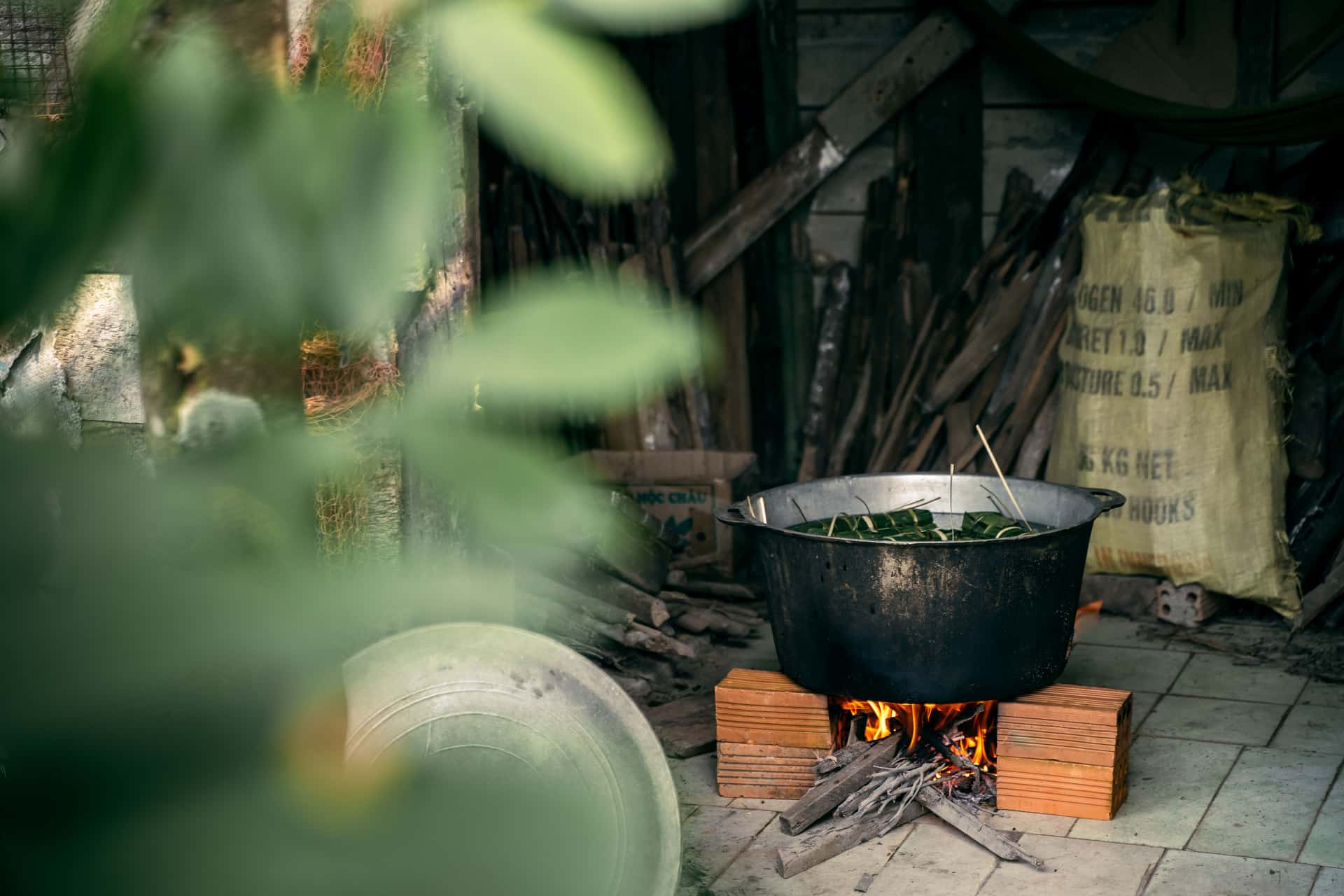
Five to six quarts. That range takes the loaf a standard beginner recipe produces — roughly 500g of flour, making a shaped loaf of around 900g — with enough clearance that the dough can spring outward without meeting the wall.
Why that range and not larger
Two constraints pull in opposite directions.
Too small, and the loaf touches the sides as it expands. It bakes into a cylinder rather than a dome and the contact points stay pale and soft.
Too large, and the same amount of water from the same loaf has to humidify much more air. The steam is more dilute around the dough, which is the thing the pot exists to concentrate. A loaf in a 9-quart pot is not ruined, but you are working against the mechanism.
There is also the practical matter of a 9-quart cast-iron pot at 500F, which is a lot of hot metal to move with oven gloves.
Match the pot to the loaf, not the reverse
| Flour in the recipe | Approx. shaped loaf | Pot size |
|---|---|---|
| 250-350 g | About 500 g | 3-4 quarts |
| 450-550 g | About 900 g | 5-6 quarts |
| 700-900 g | About 1.4 kg | 7 quarts or a large oval |
Most published beginner sourdough recipes sit in the middle row, which is why 5-6 quarts is the answer for nearly everyone.
If you already own a 7-quart pot
Use it. Bake a slightly larger loaf to fill it better, or accept a marginally less humid environment and get on with it. The difference between a good loaf in a 6-quart pot and a good loaf in a 7-quart pot is not something you will notice at breakfast.
Do not buy a second pot to close a gap this small. That is exactly the pattern in what beginners waste money on.
Depth matters as much as volume
Two pots of the same stated capacity can be very different shapes. A shallow wide pot gives a loaf room to spread and makes loading easy. A tall narrow pot of the same volume constrains a round loaf and is much harder to reach into.
Where a listing gives interior diameter and depth, use those rather than the quart figure. That is the same reasoning behind our lid-shape ranking in best Dutch oven for sourdough.
Round or oval
Buy round unless you already know you want batards. A round pot fits the boule that every beginner recipe produces, and an oval pot leaves a round loaf swimming with dead space at each end.
Frequently asked
Questions
+What size Dutch oven is best for sourdough bread?
Five to six quarts. That takes the roughly 900g loaf a standard recipe using about 500g of flour produces, with enough clearance for the loaf to spring without touching the walls.
+Is a 7-quart Dutch oven too big for sourdough?
No, it just holds more air to humidify with the same amount of loaf. Use a slightly larger loaf if you want to fill it better. It is not worth buying a second pot to close that gap.
+Is a 4-quart Dutch oven big enough?
For a smaller loaf, yes — around 250-350g of flour. A standard 900g loaf will touch the walls as it expands, which leaves pale, soft contact points.
+Should I buy a round or oval Dutch oven for bread?
Round, unless you already know you want long loaves. Every beginner recipe produces a round boule, and an oval pot leaves dead space at each end.
Read next