Hub 03 · Sourdough Baking Gear
How to store sourdough bread
Uncovered for the first half-day, loosely covered for the first full day, bagged after that, and frozen for anything longer. The fridge is the one place it should not go.
We earn a commission if you buy through our links, at no extra cost to you. We have not tested this equipment. Here is what we did instead.
Quick picks
Tap a row for the full write-up · Prices open on Amazon
| # | Product | Best for | Price |
|---|---|---|---|
| 01 | 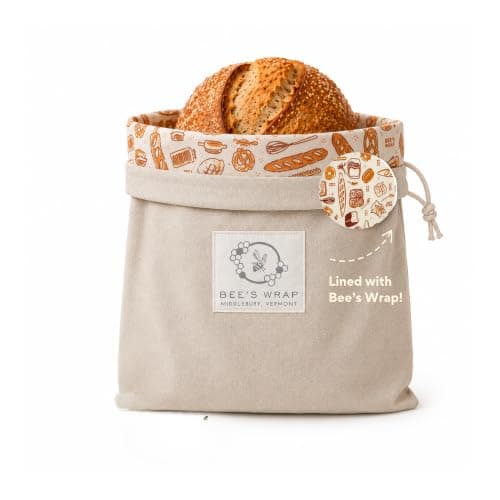 Bee's Wrap Beeswax Bread Bag A cotton bag coated in beeswax, which is the material King Arthur Baking names for storing sourdough at room temperature beyond a day. | Room temperature, past day one | |
| 02 | 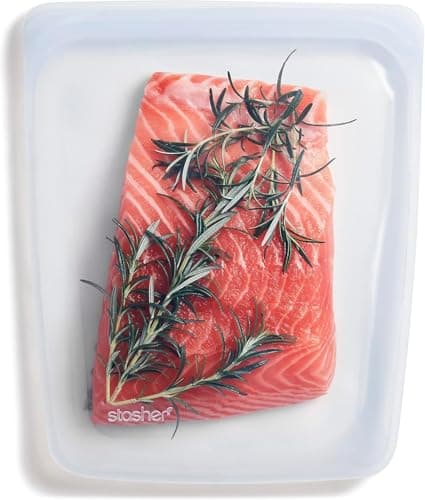 Stasher Reusable Silicone Bag, Half Gallon An airtight silicone bag big enough for a batch of sliced sourdough. | The freezer | |
| 03 | 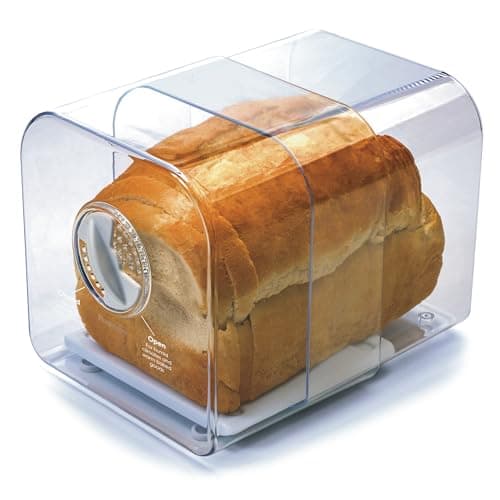 Progressive Expandable Bread Keeper with Air Vent A rigid, lidded container that expands to fit a loaf and has an adjustable vent. | A loaf that is being sliced daily | |
| 04 | 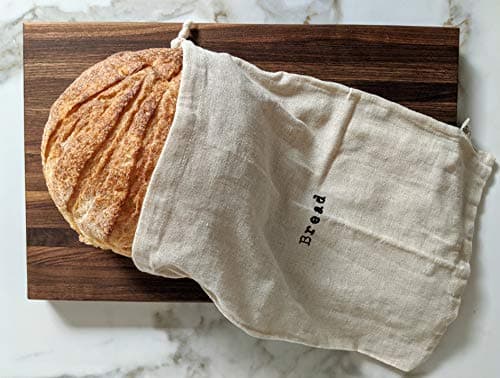 Natural Linen Boule Bread Bags, 12x15 in (2-pack) Linen is the romantic answer to bread storage and a good short-term one. | Bread eaten within two days | |
| 05 | 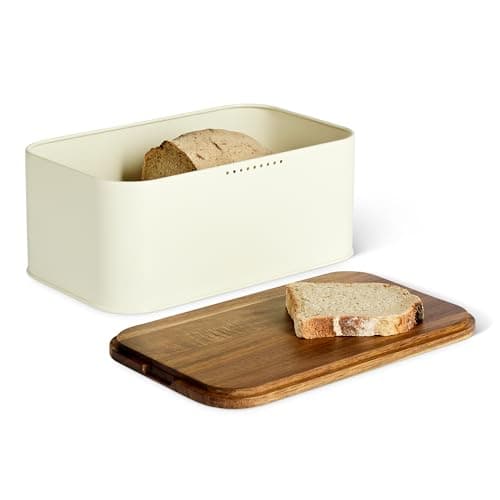 Amazon Basics Bread Box with Acacia Lid A carbon-steel bread box whose acacia lid doubles as a cutting board. | A bread box on a budget | |
| 06 | 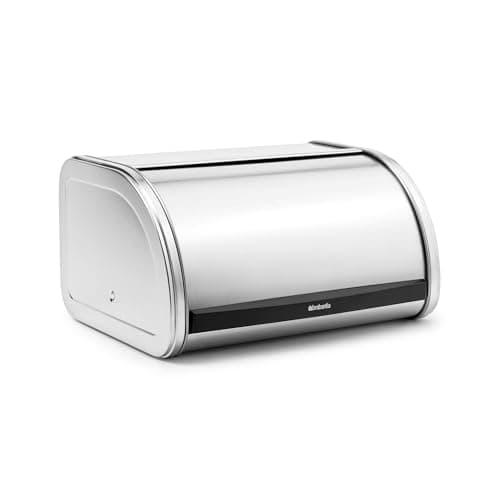 Brabantia Roll Top Bread Box, Medium A well-made steel bread box with a roll-top door. | Keeping the counter clear | $49.87 · View on Amazon
|
#ad · We earn a commission on Amazon purchases. Prices come from Amazon and change.
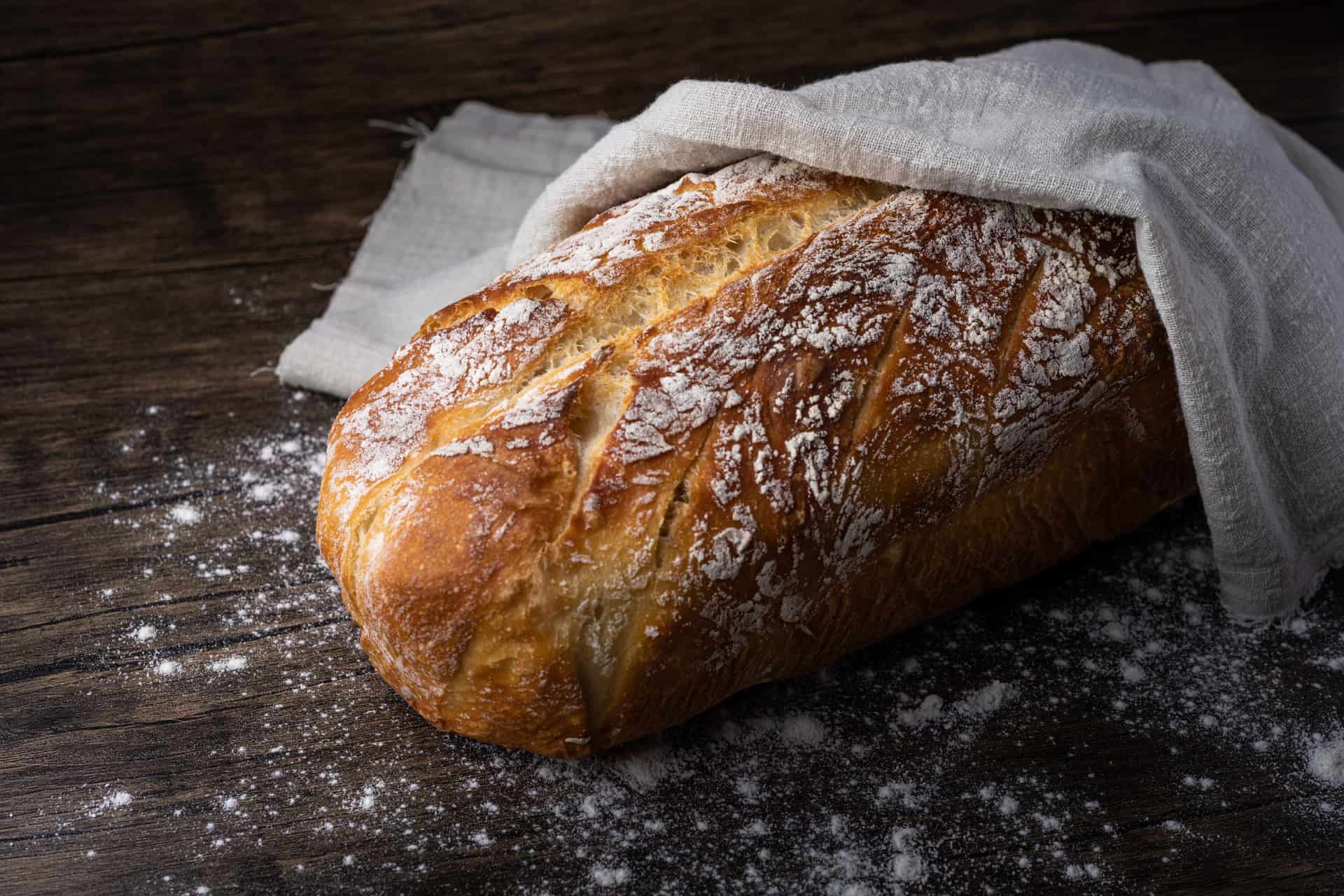
Leave a crusty loaf uncovered on a rack for its first twelve hours, loosely covered for up to a day, and in a bag after that — then freeze whatever you will not eat in the next few days. That is King Arthur Baking’s published guidance for sourdough, and it is the whole method. Everything below is detail, plus which bag.
Sourdough is more forgiving than most bread here. King Arthur notes that its pH keeps it mold-free days longer than non-sourdough bread, so the loaf you baked on Sunday is in considerably better shape on Wednesday than a yeasted one would be.
How we judged storage
- Does it keep the crumb soft? Staling is moisture leaving the crumb. Anything that slows that keeps bread edible longer.
- What does it do to the crust? Holding moisture in softens a crust. There is no storage that keeps both a crisp crust and a soft crumb for days, so every option is a trade.
- How long does it actually work? Some storage is right for a day and wrong for a week. The ranking reflects a loaf that lives several days.
- Does it work in the freezer? Because the freezer is the only real answer past a few days, an airtight option earns its place.
- Does it survive daily use? A loaf is opened and cut every day. Storage you have to fight with does not get used.
Day one: leave it alone
A freshly baked loaf is still releasing moisture, and sealing it in while it is warm traps steam that condenses on the crust. King Arthur’s timeline for a crusty sourdough is specific: up to 12 hours uncovered on a cooling rack, up to 24 hours loosely covered with a cake cover or an upturned bowl so air can still circulate, and beyond 24 hours it needs a bag.
That first day is when the crust is at its best, and it is the one day storage should do as little as possible.
Cut from the middle
A trick worth adopting from the first slice. Instead of cutting from one end, cut the loaf in half and take slices from the middle. Then push the two cut faces back together and wrap it. As King Arthur puts it, the crust helps keep the moisture inside — there is no exposed crumb left to dry out.
Day two onward: which bag
This is where storage materials actually differ, and King Arthur ranks them clearly:
| Storage | Crumb | Best for |
|---|---|---|
| Airtight or beeswax-lined bag | Stays soft longest | Room temperature beyond a day - King Arthur's top choice |
| Cloth or linen bag | Dries faster | A loaf finished within about two days |
| Bread box | Protected, not sealed | The first day or two, out of sight |
| Paper bag | Stales fastest | Carrying bread home - not storing it |
| Freezer, airtight | Paused | Anything longer than a few days |
King Arthur names airtight bags as the top choice for sourdough kept at room temperature longer than a day, and specifically suggests reusable beeswax-lined cotton bags or heavy-duty plastic bread bags. Paper, they note, actually hastens staling. Cloth sits in between: it breathes, which is kinder to the crust and harder on the crumb.
The trade to accept: any bag that keeps the crumb soft will soften the crust. Re-crisp a slice in a toaster rather than choosing a storage method that dries the whole loaf out.
Freezing: the only real long-term answer
If a loaf will not be finished within a few days, freeze it. King Arthur puts most bread at up to three months in the freezer. Freezing effectively pauses staling in a way nothing at room temperature can.
- Cool it completely. Freezing a warm loaf traps condensation inside the wrapping.
- Slice it first. Then you can take out two slices rather than thawing a whole loaf. A square of parchment between slices stops them freezing together.
- Wrap it airtight. Air is what causes freezer burn and lets the bread absorb freezer smells. King Arthur suggests more than one airtight layer, such as wrap followed by a bag.
- Freeze in portions you will actually use. Groups of a few slices beat one enormous bag.
Thawing and reviving
A whole wrapped loaf thaws at room temperature in about three hours; individual slices take under half an hour, and a toaster takes them straight from frozen.
To bring back a crust — on a thawed loaf or one that has simply gone a little tired — King Arthur’s method is to sprinkle or spray it generously with water and reheat it in a 350F oven for about fifteen minutes. The water turns to steam, the crumb softens, and the crust crisps again.
What a bread box does and does not do
A bread box keeps a loaf out of the light and away from the air of the kitchen, and King Arthur lists one among good dark places to keep bread. What it does not do is seal. A box is effectively loosely covered storage — excellent for the first day or two, and worth adding a bag inside once the loaf is older than that.
Buy one for tidiness and for the counter, not because it keeps bread fresher than a good bag does.
If you are baking more than you can eat
That is usually a batch-size problem rather than a storage one. Baking a smaller loaf, or freezing half of every bake on the day it cools, removes most of the storage question. The same thinking applies further up the chain — a smaller starter produces less waste, which is the argument in what to do with sourdough discard.
And if loaves are going stale unusually fast, check the bake before the storage: an underbaked loaf holds excess moisture and molds sooner. The flour you bake with matters too, covered in best flour for sourdough bread.
Every pick, in order
The full write-ups
Pick 01 · Room temperature, past day one
Bee's Wrap Beeswax Bread Bag
Bee's Wrap
A cotton bag coated in beeswax, which is the material King Arthur Baking names for storing sourdough at room temperature beyond a day. It holds moisture in the way an airtight bag does without the sealed-plastic feel, so the crumb stays soft for several days.
Material
Beeswax-coated cotton
Count
1 bag
Use
Room-temperature storage beyond the first day
Care
Cold water and mild soap only -- heat melts the coating
Specs compiled from: Manufacturer product listing and product name
What is good
- The bag material King Arthur Baking actually recommends for sourdough kept more than a day
- Keeps the crumb soft for days without the sweaty surface a sealed plastic bag can give
- Reusable for a long time with gentle washing
What is not
- Softens the crust, as any bag that holds moisture will -- re-crisp slices in a toaster
- Cannot be washed hot or machine-dried without damaging the wax
- Costs several times what a stack of plastic bread bags does
#ad Disclosure · Price as of September 17, 2026
Pick 02 · The freezer
Stasher Reusable Silicone Bag, Half Gallon
Stasher
An airtight silicone bag big enough for a batch of sliced sourdough. Freezing is the only way to keep bread for more than a few days without it going stale, and an airtight bag is what stops freezer burn and fridge smells.
Capacity
Half gallon / 64 oz
Material
Silicone, reusable
Seal
Airtight press closure
Use
Freezing sliced bread; airtight room-temperature storage
Specs compiled from: Manufacturer product listing and product name
What is good
- Airtight, which is the property that matters most in the freezer
- Reusable indefinitely, unlike freezer bags you throw away every batch
- Holds half a sliced loaf, which is a realistic amount to thaw at once
What is not
- Too small for a whole uncut boule -- slice before you freeze, which you should anyway
- Much more expensive than disposable freezer bags
- Silicone can hold onto strong smells if it is also used for other foods
#ad Disclosure · Price as of September 17, 2026
Pick 03 · A loaf that is being sliced daily
Progressive Expandable Bread Keeper with Air Vent
Prep Solutions by Progressive
A rigid, lidded container that expands to fit a loaf and has an adjustable vent. It protects a cut loaf from being squashed and lets you choose between near-airtight and slightly vented, which is more control than a bag gives.
Type
Rigid bread keeper with a lid
Size
Expandable to fit the loaf
Vent
Adjustable air vent
Use
Counter storage of a loaf that is being cut through the week
Specs compiled from: Manufacturer product listing and product name
What is good
- Protects a cut loaf from being crushed, which bags do not
- The vent lets you trade crust crispness against crumb softness deliberately
- Easy to wipe out between loaves
What is not
- Bulky on a counter compared with a bag that folds away
- Shaped for sandwich loaves as much as boules; check the internal size against your bread
- Plastic box, if the look of the counter matters to you
#ad Disclosure · Price as of September 17, 2026
Pick 04 · Bread eaten within two days
Natural Linen Boule Bread Bags, 12x15 in (2-pack)
Type pick -- linen bread bag
Linen is the romantic answer to bread storage and a good short-term one. It breathes, so the crust stays crisper than in any sealed bag, and King Arthur ranks cloth above paper. The trade is that the crumb dries out sooner, so this is a bag for a loaf you will finish quickly.
Material
Natural linen
Size
12 x 15 inches, sized for a boule
Count
2 bags
Use
Short-term counter storage; also doubles as a proofing cover
Specs compiled from: Product-type description; capacity and material as listed by sellers
What is good
- Keeps the crust crisper than any airtight option on this page
- Better than paper, which King Arthur says speeds staling
- Machine-washable and useful as a proofing cloth when it is not holding bread
What is not
- Breathable means the crumb dries faster -- a poor choice past about two days
- Offers no protection against mold in a humid kitchen
- Unbranded category with variable weave and sizing between sellers
#ad Disclosure · Price as of September 17, 2026
Pick 05 · A bread box on a budget
Amazon Basics Bread Box with Acacia Lid
Amazon Basics
A carbon-steel bread box whose acacia lid doubles as a cutting board. It does the same loosely-covered job as a box that costs far more, and the board lid is a genuinely useful detail for a crusty loaf.
Material
Carbon steel body, acacia wood lid
Lid
Doubles as a cutting board, per the listing
Use
Loosely covered counter storage
Care
Hand-wash the wood lid; do not soak it
Specs compiled from: Manufacturer product listing and product name
What is good
- A fraction of the price of a premium bread box for the same basic function
- The cutting-board lid means one less object on the counter
- Plenty of room for a standard boule
What is not
- Not airtight -- same drying limitation as every bread box
- A wooden lid used as a board will scar and needs occasional oiling
- Lighter construction than premium boxes
#ad Disclosure · Price as of September 17, 2026
Pick 06 · Keeping the counter clear
Brabantia Roll Top Bread Box, Medium
Brabantia
A well-made steel bread box with a roll-top door. A box behaves like loosely covered storage: it protects the loaf and slows drying compared with leaving it out, but it does not seal, so it is best for the first day or two of a loaf's life.
Material
Steel body
Opening
Roll-top front
Size
Medium
Use
Loosely covered counter storage
Specs compiled from: Manufacturer product listing and product name
What is good
- Genuinely tidies the counter and gets bread out of sight
- Roll-top opens without needing space above the box
- Durable object that lasts for years
What is not
- Not airtight, so a loaf still dries out over several days -- bag it inside the box past day two
- The most expensive storage option here by a wide margin
- Medium size can be tight for a large oval batard
How we picked
We have not tested any of this equipment. What we did instead: compiled the published specifications from each manufacturer’s own listing, checked them against the task a beginner is actually trying to do, read the care instructions, and named the thing we would skip. Where a pick is a product type rather than a brand, it is because the category is sold mostly unbranded and the type is the real decision.
Frequently asked
Questions
+How long does sourdough bread last?
A crusty loaf is best within a day and keeps for several more in a good bag; King Arthur puts soft sourdough stored airtight at up to a week at room temperature. Sourdough's acidity keeps it mold-free days longer than yeasted bread. Freeze anything you will not eat within a few days.
+Can you freeze sourdough bread?
Yes, and it is the best way to keep it longer than a few days. Cool it completely, slice it, separate the slices with parchment, and wrap it airtight. King Arthur puts most bread at up to three months frozen.
+Should you keep sourdough bread in the fridge?
No. Refrigeration makes bread go stale faster because moisture keeps migrating to the surface and evaporating. The exception is a very hot, humid kitchen where bread molds within a day — then refrigerate it and toast it before eating.
+Are linen bread bags good for sourdough?
For a loaf you will finish within about two days, yes — linen breathes, which keeps the crust crisper. For longer, an airtight or beeswax-lined bag keeps the crumb soft for much longer, which is why King Arthur ranks it above cloth.
+How do you revive stale sourdough bread?
Sprinkle or spray it generously with water and reheat it in a 350F oven for about fifteen minutes. The water turns to steam and softens the crumb while the crust crisps back up. Individual slices can go straight into a toaster.
+Is a paper bag good for storing bread?
Only for getting it home. King Arthur notes that paper actually hastens staling. Move the loaf into an airtight or beeswax-lined bag once you are past the first day.
Sources
Where the facts on this page came from
Read next