Hub 03 · Sourdough Baking Gear
Dutch oven vs stockpot for sourdough
Both trap steam, which is the only thing the pot is for. The differences are heat retention, how easily you load a loaf, and whether your lid knob survives the oven.
We earn a commission if you buy through our links, at no extra cost to you. We have not tested this equipment. Here is what we did instead.
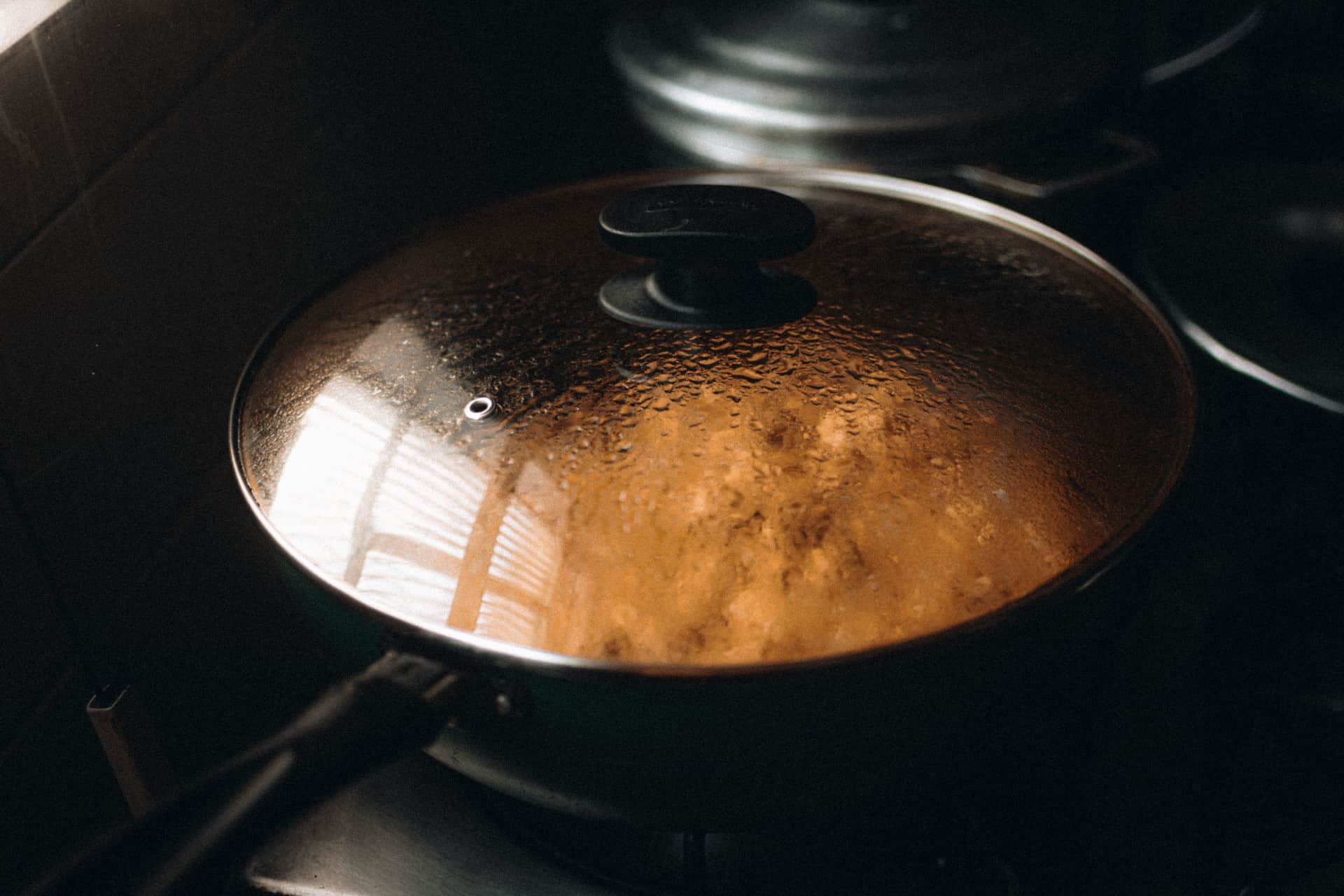
Use the stockpot if
You have not baked a loaf yet
It traps steam, which is the mechanism. Bake three loaves in the pot you own, learn what annoys you about it, and then spend money on that specific annoyance rather than on a guess.
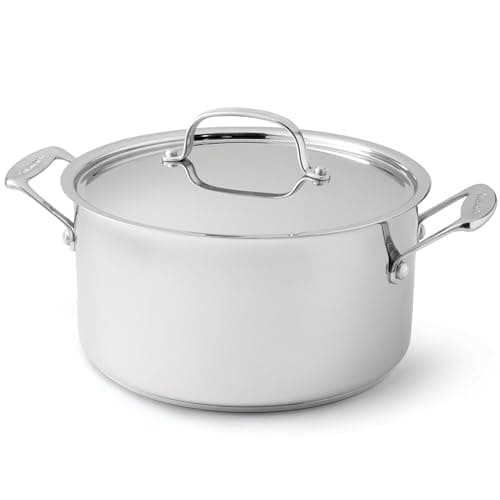
Cuisinart Chef's Classic Stainless Stockpot, 6-Quart
Buy the Dutch oven if
You are baking weekly and want consistency
Thick cast iron holds heat, so the pot does not sag in temperature when a cold loaf goes in. That removes a variable, and the shallow lid makes loading far less hazardous.
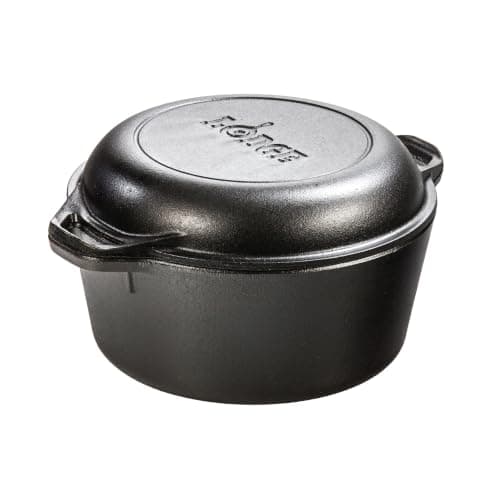
Lodge 5-Quart Double Dutch Oven
#ad Disclosure · Price as of September 14, 2026
The pot's whole job is to trap the water leaving your loaf so the crust stays soft long enough for the bread to expand. Any heavy vessel with a lid that fits does that. A stockpot is a heavy vessel with a lid that fits.
Where they actually differ
| What matters | Stainless stockpot | Cast-iron Dutch oven |
|---|---|---|
| Traps steam | Yes, if the lid seats | Yes |
| Heat retention | Low - thin walls give heat up fast | High - the reason it is recommended |
| Base browning | Paler, softer bottom crust | Dark, crisp bottom crust |
| Loading a proofed loaf | Deep and narrow; awkward | Easier, especially a shallow-lidded pot |
| Oven-safe as sold | Check the knob and handles | Usually yes for bare iron |
| Weight when hot | Manageable | Heavy, two hands, real burn risk |
| Cost | Already owned, usually | An actual purchase |
Check the knob before you check anything else
This is the one genuine hazard in the stockpot route. Many stainless lids have a phenolic or plastic knob, and many of those carry a stated temperature limit well below the 450-500F a sourdough bake runs at. A knob that fails at temperature is a bad afternoon.
Two ways round it: use a pot whose lid is all metal, or unscrew the knob and plug the hole with a bolt rated for the heat. Check the manufacturer's stated limit rather than guessing from how it looks.
Aluminum is the material to check for
Not every stockpot is stainless. Plenty of large pots are aluminum, or aluminum with a thin stainless cladding, and aluminum has two properties worth knowing before you bake in it: it is a poor heat reservoir even by thin-pot standards, and bare aluminum reacts with acidic foods.
For a single sourdough bake the reactivity is not the issue — bread dough is only mildly acidic and the contact is short. The heat behavior is. A bare aluminum pot gives up its heat almost immediately, so the case for preheating it at all is weak, and a cold start is the better method.
If the pot is unmarked and light for its size, assume aluminum. If it is noticeably heavy and magnetic, it is likely stainless with a clad base, which is the better of the two for this job.
Cold starting suits a thin pot
The standard method preheats the pot empty, which is where cast iron's stored heat does its work and where a stainless pot has least to give. There is an alternative: put the loaf into a cold pot, into a cold oven, and turn the oven on. The bread comes up to temperature with the vessel.
Cold starting narrows the gap between pot types, because nothing depends on stored heat any more. It also removes the most hazardous step in home sourdough, which is lowering a wet loaf into a 500F vessel. The trade is a slightly less dramatic oven spring and a longer bake.
If you are baking in a stockpot, try the cold start before you decide the pot is the problem.
Shape decides more than material
A stockpot is tall and narrow; a Dutch oven is wide and shallow. For a round loaf that difference shows up twice. Loading is harder in the narrow pot — you are lowering dough down a chimney rather than onto an open base — and the loaf is likelier to touch a wall on the way in, which marks the crust.
It also changes the finished shape. A tall narrow vessel encourages a taller, more domed loaf; a wide one lets the loaf spread slightly. Neither is wrong, but if your loaves come out a different shape from the pictures in the recipe, the pot geometry is a likelier explanation than your shaping.
What cast iron actually buys you
- Thermal mass. A preheated cast-iron pot has a large store of heat to give the loaf in its first minutes. Thin stainless does not, so the oven spring is gentler and the base is paler.
- Consistency. The same pot at the same preheat behaves the same way every week, which is what you want while you are still changing other variables.
- A lid designed for the job. A shallow-lidded design lets you lower a loaf onto a flat surface instead of down a deep well.
None of that is magic and none of it is required. It is convenience and repeatability, which is worth paying for once you know you will keep baking — the same reasoning as do you need a Dutch oven for sourdough.
Frequently asked
Questions
+Can you bake sourdough in a stockpot?
Yes. The pot exists to trap steam so the crust stays soft while the loaf expands, and a lidded stockpot does that. Expect a paler base and slightly less oven spring than cast iron gives.
+Is a stockpot lid oven safe?
Often not at sourdough temperatures. Phenolic and plastic knobs frequently carry limits below 450F. Check the manufacturer's stated rating, use an all-metal lid, or replace the knob with an oven-rated bolt.
+Why is my crust paler in a stainless pot?
Thin stainless holds much less heat than cast iron, so the base of the loaf gets less energy in the critical first minutes. Preheating the pot longer helps a little; it will not fully close the gap.
+Is a Dutch oven worth buying if the stockpot works?
Once you are baking regularly, yes — for consistency and for a lid you can load a loaf under safely. Before your first loaf, no.
Read next